







































Different approaches to
Wisdom Teeth Removals
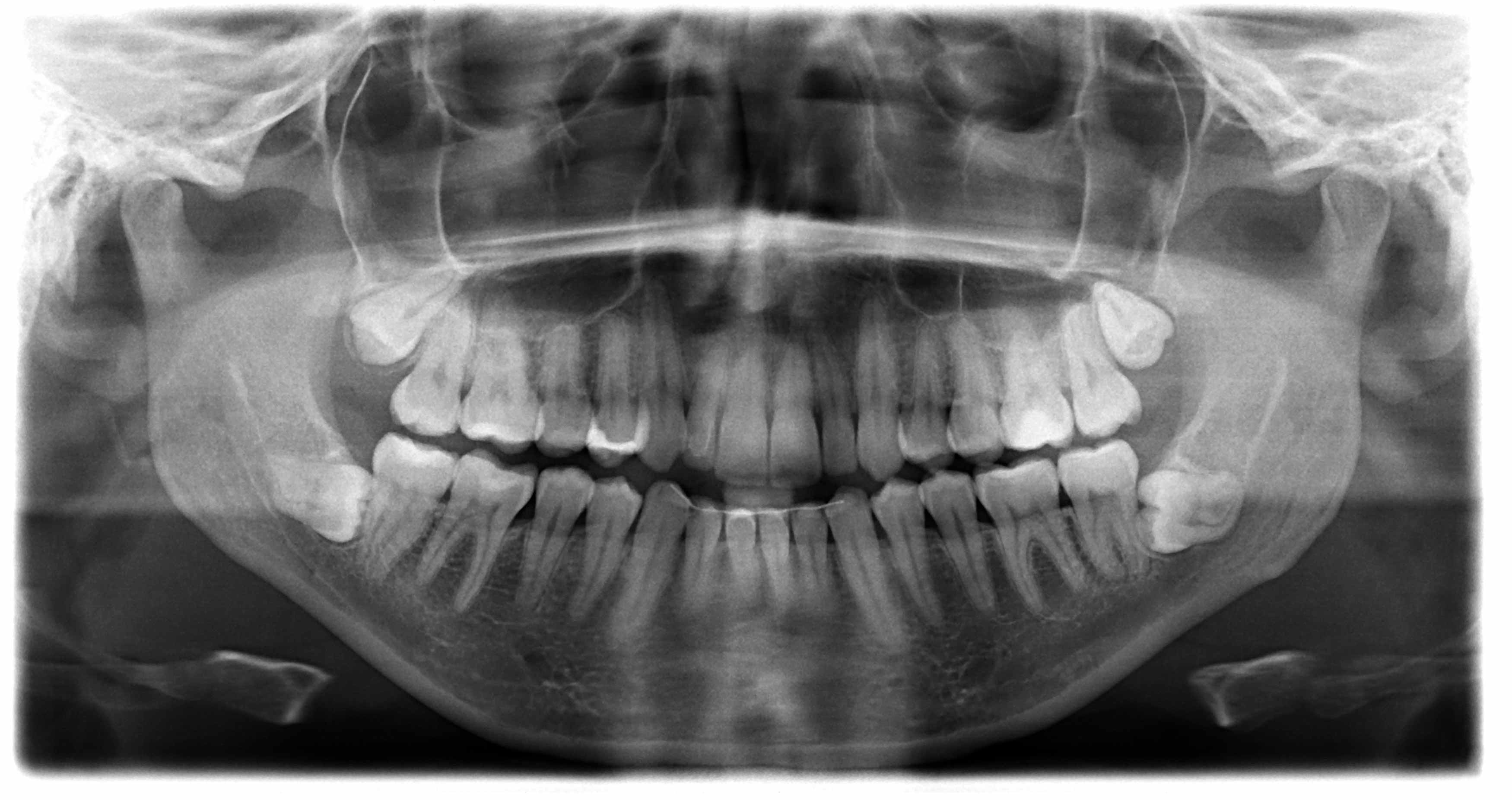
Wisdom teeth removal is performed under local or general anaesthesia by a general dental surgeon or a specialist maxillofacial surgeon. This will depend on the difficulty of the procedure, individual risk factors for each case, medical conditions and your personal level of comfort with dental procedures. The wisdom tooth removal procedure does not differ significantly whether you are treated under local or general anaesthesia.
Wisdom tooth removal with a specialist oral (maxillofacial) surgeon
More common where your wisdom tooth removal is likely to be complicated, or involves increased risks. There are sometimes important nerves in close proximity to your wisdom teeth (which supply sensation to your teeth, tongue, lips and chin) or structures such as the maxillary sinuses. Your dentist may recommend that you see an oral surgeon to have the tooth removed as carefully as possible to reduce the chance of damage and unwanted complications.
Wisdom tooth removal under general anaesthesia
Performed where you are unconscious in a hospital theatre. As you are not aware of anything throughout the procedure itself, it can be less unpleasant than having the procedure under local anaesthetic, but takes more time and has greater costs involved.
Wisdom tooth removal under local anaesthesia
Performed while while you are awake but feel no pain. The procedure itself is pain-free, but can be unpleasant as during the procedure the gum or bone, as well as the tooth itself may need to be moved, as well as stitches placed.
Wisdom tooth removal under general anaesthesia
Wisdom tooth removal under general anaesthesia is performed where you are unconscious in a hospital theatre. As you are not aware of anything throughout the procedure itself, it can be less unpleasant than having the procedure under local anaesthetic, but takes more time and has greater costs involved.
Wisdom tooth removal with a specialist oral (maxillofacial) surgeon
Wisdom tooth removal with a specialist oral (maxillofacial) surgeon is common where your wisdom tooth removal is likely to be complicated, or involves increased risks. There are sometimes important nerves in close proximity to your wisdom teeth (which supply sensation to your teeth, tongue, lips and chin) or structures such as the maxillary sinuses. Your dentist may recommend that you see an oral surgeon to have the tooth removed as carefully as possible to reduce the chance of damage and unwanted complications.



.jpg)