


























Grinding

View all Common Problems
How I know I have this?
Why does this happen?
What if left untreated?
Different approaches to fixing
Frequently Asked Questions
Additional Resources
a midbody male photo showing him closing his eyes and clenching his teeth really hard. it also shows the tensenes in his jaw muscles as he clenches

How do I know I have

Grinding

?

Grinding, also known as bruxism, is a condition characterised by the habitual clenching, gnashing, or grinding of teeth, typically during sleep or subconsciously throughout the day.

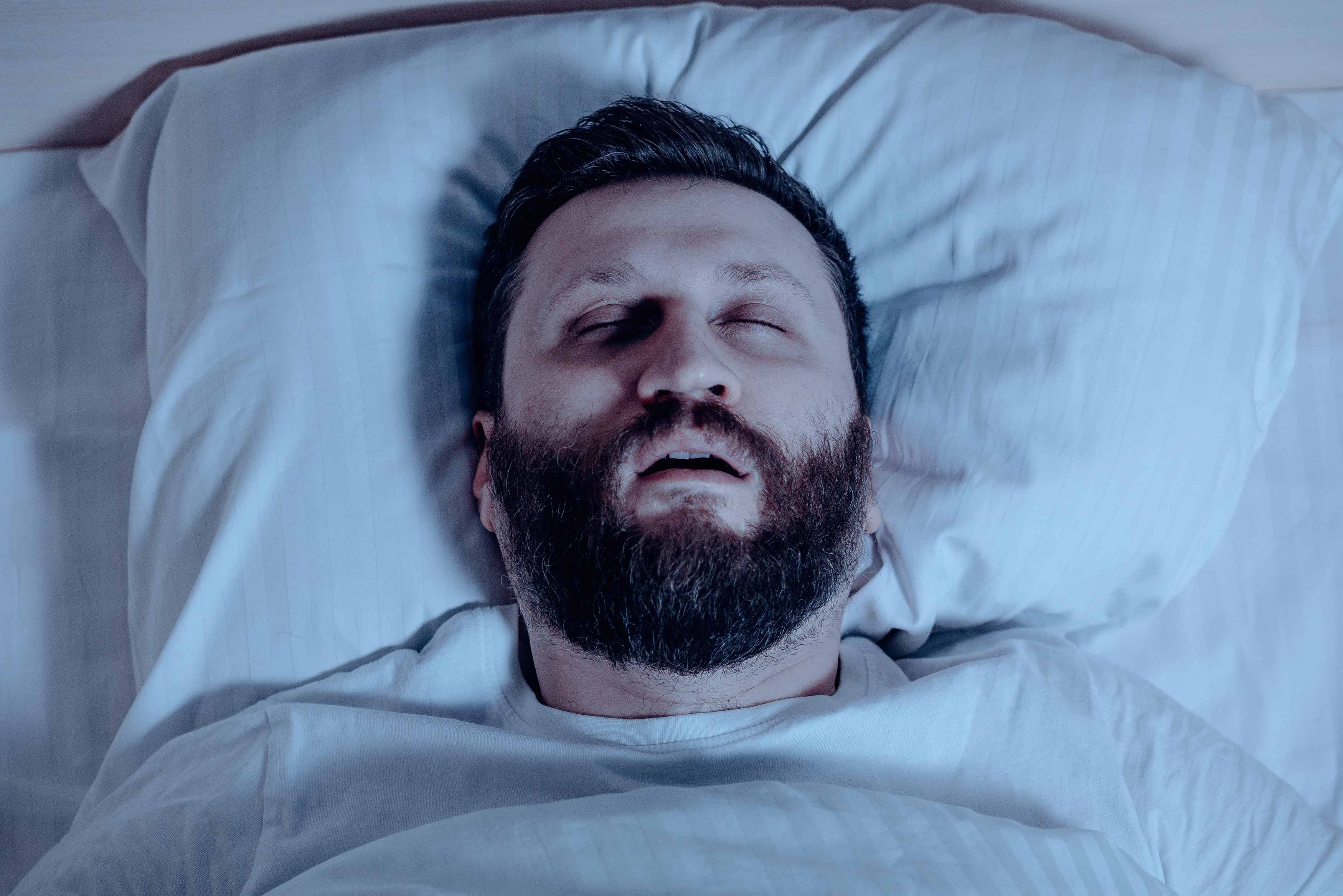
Signs that you may have been grinding your teeth include waking up with jaw pain, headaches, or facial muscle soreness, as well as noticing worn-down or flattened tooth surfaces. If you experience any of these symptoms, it is advisable to consult with a dentist for a proper evaluation and diagnosis.

Female sleeping on her side in bed grinding her teeth
young girl sleeping in bed grinding her teeth
Female holding both her hands to her jaw in pain
Icons of teeth grinding

Why do people get

Grinding

?

Teeth grinding, or bruxism, can have various causes, including stress, anxiety, an abnormal bite or tooth alignment, sleep disorders like sleep apnoea, or even lifestyle factors like excessive caffeine or alcohol consumption.

Identifying the underlying cause of your teeth grinding can help determine the most appropriate treatment approach. Consulting with a dentist or healthcare professional can provide insights into the potential reasons behind your teeth grinding and guide you towards effective management strategies.

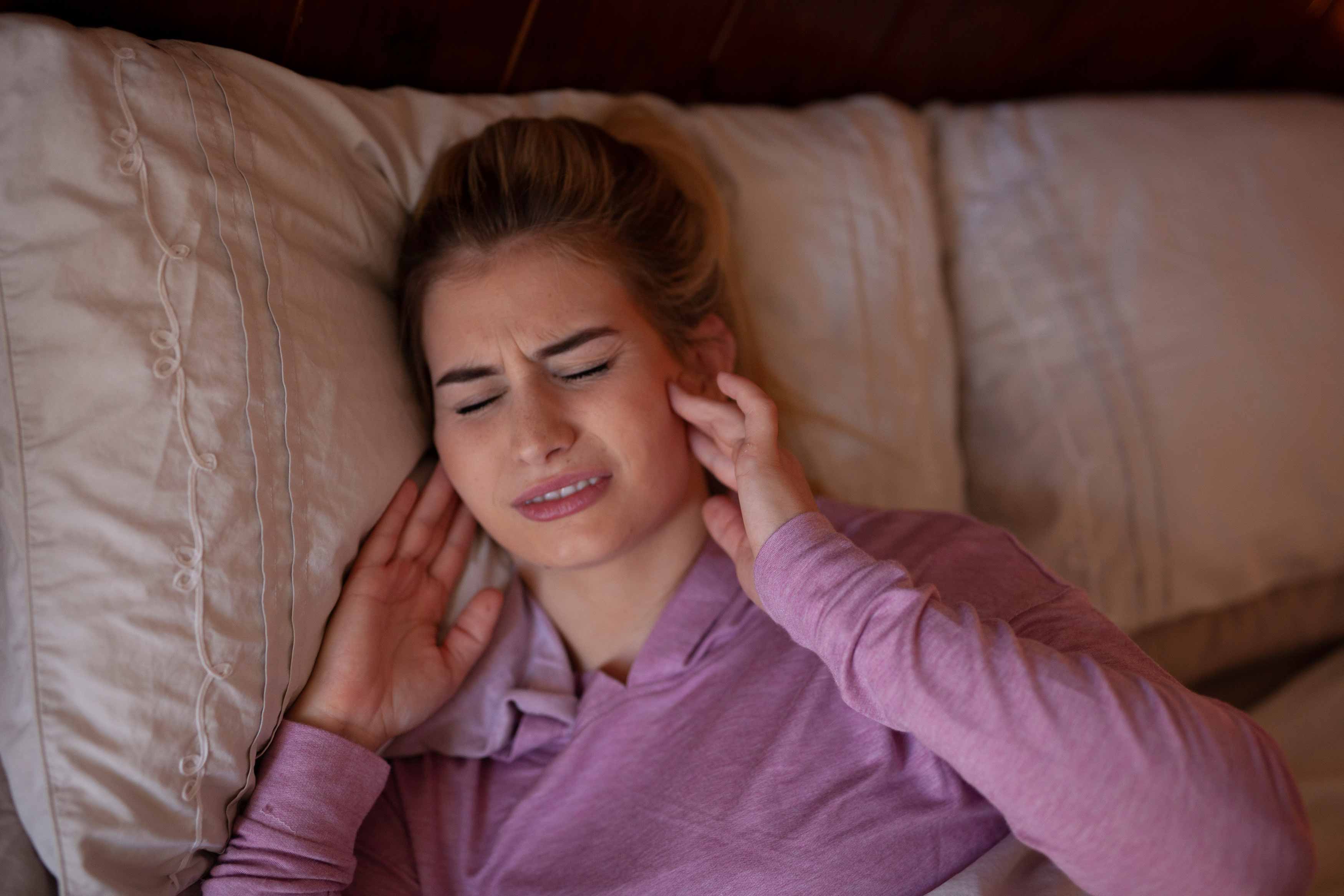
Photo of a lady clenching her Right Jaw in grimace from jaw pain
Icons of teeth grinding

What if

Grinding

is left untreated?

Grinding can lead to several negative effects, such as tooth wear, fractures, jaw pain, headaches, and muscle tension.

If left untreated, teeth grinding can lead to various complications:  It can cause , tooth fractures, and damage to dental restorations. Additionally, it can result in jaw pain, temporomandibular joint (TMJ) disorders, headaches, and facial muscle discomfort. Seeking treatment for teeth grinding is essential to prevent further oral health problems and alleviate associated symptoms.

Tooth movement

Teeth grinding may lead to teeth moving out of their normal position due to the strong forces placed on them.

Facial changes

Chronic grinding can lead to the development of a square-shaped face due to the increase in the size of certain facial muscles.

Jaw pain & headaches

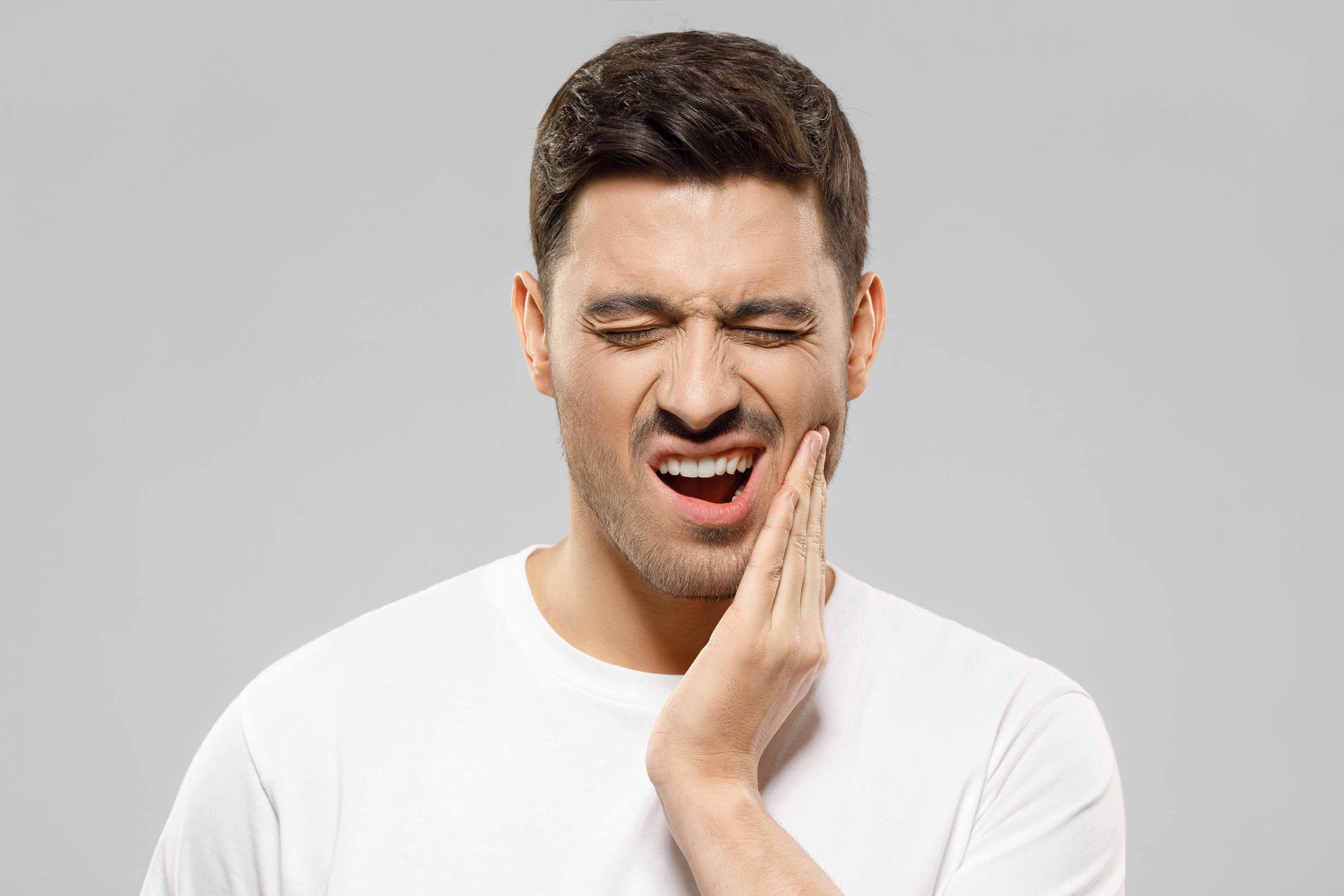
Teeth grinding can lead to pain in facial muscles or the jaw joints due to the strong forces involved. This may lead to chronic headaches in certain individuals.

Tooth fracture

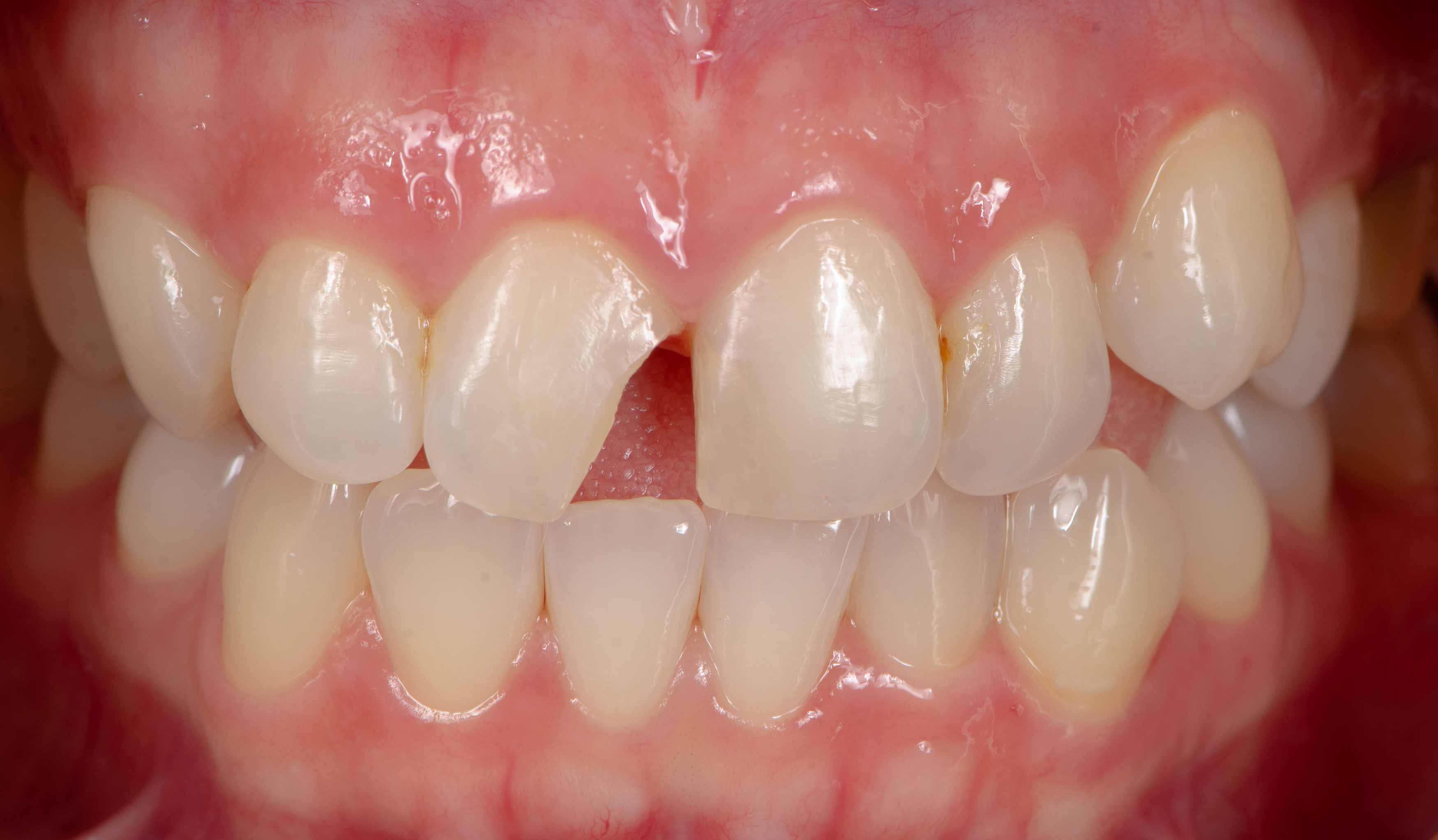
Teeth grinding can lead to fractures of existing fillings or tooth structure due to excessive forces being placed on certain teeth when clenching or grinding.

Excessive tooth wear

Teeth grinding can lead to excessive wear of the surfaces of teeth in contact with one another. This can lead to poor aesthetics, sensitivity or tooth loss in some cases.

Icons of teeth grinding

Treatment approaches for

Grinding

It is important to consult with a dentist or healthcare professional if grinding is suspected to minimise its impact on oral health. Treatment options for grinding may include:

Addressing sleep-related issues

Establishing a consistent sleep routine, creating a comfortable sleep environment, and managing factors like sleep apnea can contribute to better sleep. Since bruxism often occurs during sleep, promoting healthy sleep patterns can indirectly reduce the likelihood and intensity of teeth grinding episodes.

Behaviour modification

This may include implementing stress-reducing techniques, practicing relaxation exercises, maintaining proper sleep hygiene, and breaking the habit of clenching or grinding during waking hours. Additionally, individuals may be advised to avoid certain activities or substances that can exacerbate teeth grinding, such as excessive caffeine or alcohol consumption.

Stress management

Techniques such as relaxation exercises, mindfulness, and stress-reducing activities can help alleviate tension, decreasing the likelihood of bruxism episodes during sleep.

Night-time dental appliances

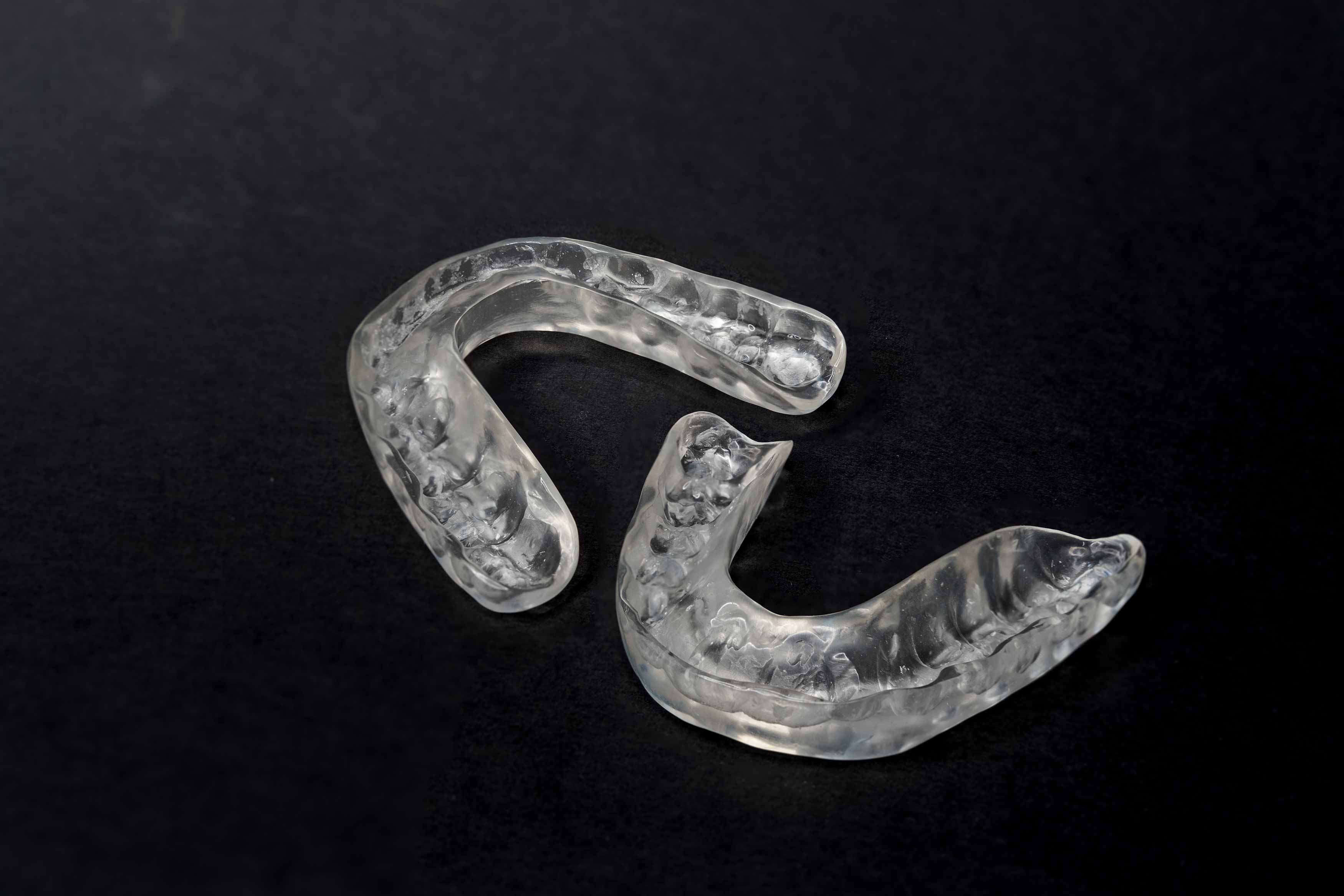
A custom-made nightguard or splint, helps prevent teeth grinding (bruxism) by providing a protective barrier between the upper and lower teeth, reducing the impact of grinding forces and minimizing wear on the tooth surfaces.

Possible
Solutions

Icons of teeth grinding

FAQ's about

Grinding

How will I know if I grind my teeth in my sleep?

Is grinding caused by worms?

Is it bad if my child grinds their teeth at night?

What should I do if I have a tooth ache?

Will I wear my teeth completely away?

Icons of teeth grinding

Other Resources

These links provide additional information, tools or resources for those interested in exploring more.

Book an Appointment

Open hours
Monday
8:00am - 5:00pm
Tuesday
8:30am - 7:30pm
Wednesday
9:00am - 5:00pm
Thursday
9:00am - 6:30pm
Friday
7:30am - 5:00pm
Saturday
8:00am - 1:00pm