






































Oral Thrush

View all Common Problems
How I know I have this?
Why does this happen?
What if left untreated?
Different approaches to fixing
Frequently Asked Questions
Additional Resources
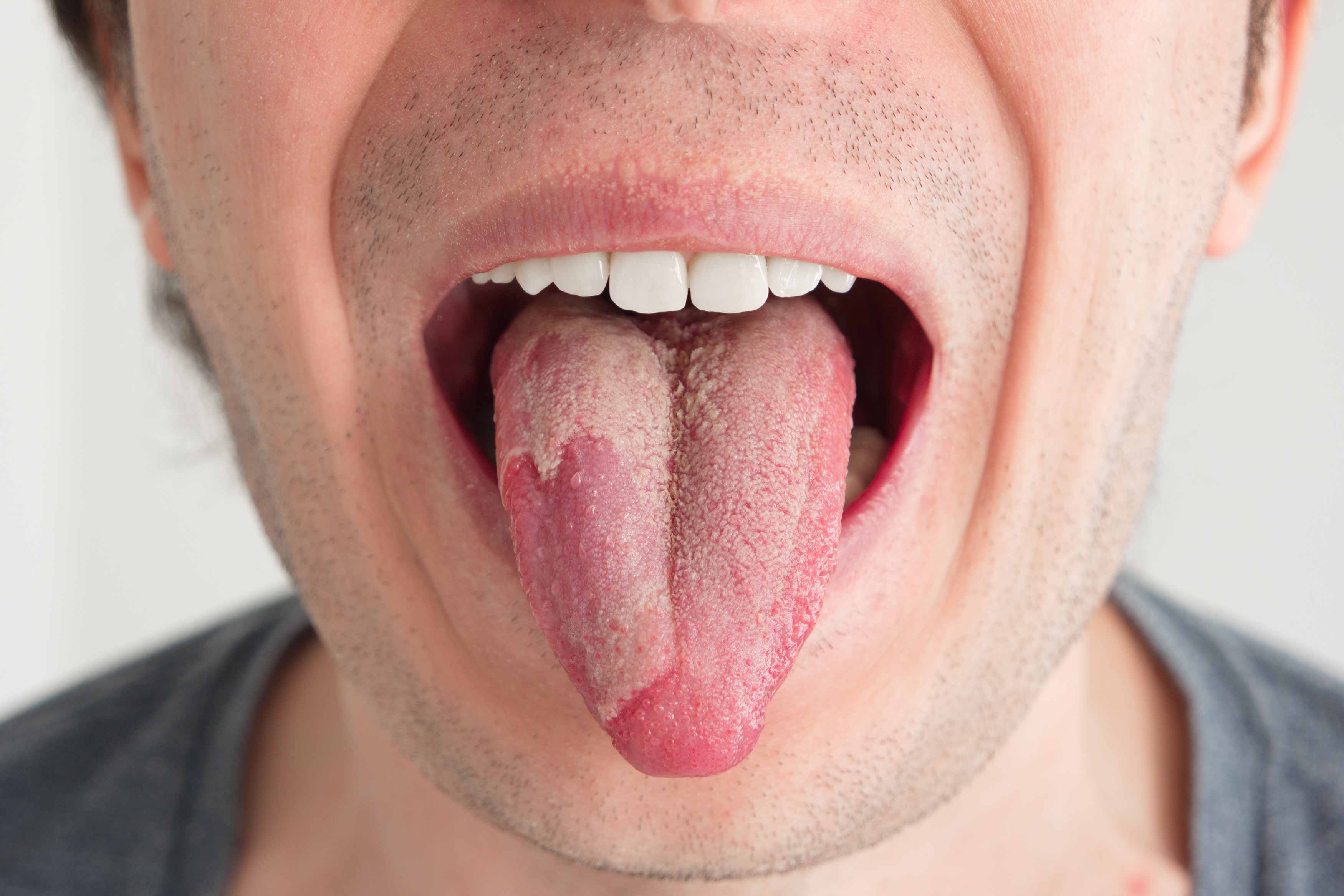
Photo of someone sticking their tongue out and showing oral thrush on the side of their tongue

How do I know I have

Oral Thrush

?

Oral thrush, also known as oral candidiasis, is a common fungal infection that affects the mouth and throat.  Oral thrush appears as white patches on the tongue, inner cheeks, and other areas of the mouth, causing discomfort and potential complications, especially in individuals with weakened immune systems or certain medical conditions.

Tooth icon with a shield

Why do people get

Oral Thrush

?

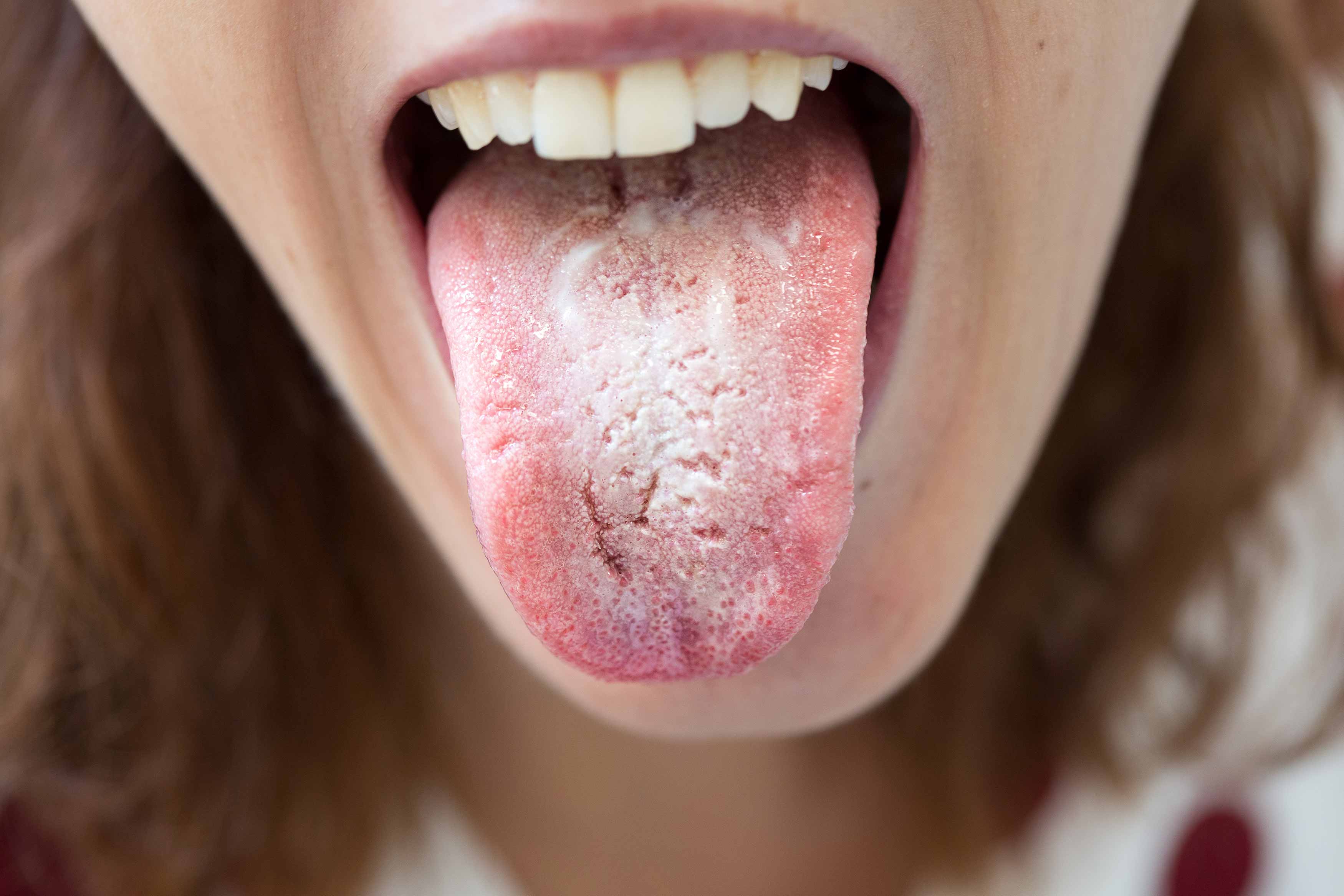
Oral thrush is often caused by an overgrowth of the Candida fungus, which is normally present in the mouth. Factors such as weakened immune systems, taking antibiotics, having uncontrolled diabetes, or using certain medications can create an environment conducive to its proliferation. Additionally, poorly fitting dentures can irritate the mouth and contribute to the development of oral thrush, especially if not cleaned properly.

Photo of a female sticking their tongue out and showing oral thrush on the top of their tongue
Tooth icon with a shield

What if

Oral Thrush

is left untreated?

Timely treatment is important to clear the infection and prevent it from worsening. Regular dental check-ups play a key role in detecting oral thrush early, even when symptoms aren't obvious, allowing for prompt and effective treatment to protect your overall oral health. Not treating oral thrush can lead to:

Further complications

Untreated oral thrush can lead to an increased risk of complications, especially in individuals with weakened immune systems.

Infection spread

Ongoing oral thrush can worsen and spread to surrounding areas if left untreated.

Persistent discomfort

Areas affected by oral thrush can be sore and uncomfortable, affecting eating or being able to wear dentures.

Tooth icon with a shield

Treatment approaches for

Oral Thrush

Oral thrush is typically treated in several ways, such as:

Check for unknown medical conditions

Consult with your general practitioner to assess for underlying medical conditions which may predispose you to oral thrush, such as diabetes or certain medications you are taking.

Improved oral hygiene

Ensuring proper cleaning of any dental appliances or dentures, as well as ensuring dentures are removed overnight can reduce the opportunity for oral thrush to develop.

Antifungal medications

Oral rinses, lozenges, or systemic medications prescribed by a healthcare professional can treat your oral thrush conditions.

Possible
Solutions

Tooth icon with a shield

FAQ's about

Oral Thrush

Can certain foods make it worse?

Can I be cured?

Can it spread?

How can it be prevented?

Tooth icon with a shield

Other Resources

These links provide additional information, tools or resources for those interested in exploring more.

Book an Appointment

Open hours
Monday
8:00am - 5:00pm
Tuesday
8:30am - 7:30pm
Wednesday
9:00am - 5:00pm
Thursday
9:00am - 6:30pm
Friday
7:30am - 5:00pm
Saturday
8:00am - 1:00pm