































Snoring Problems

View all Common Problems
How I know I have this?
Why does this happen?
What if left untreated?
Different approaches to fixing
Frequently Asked Questions
Additional Resources
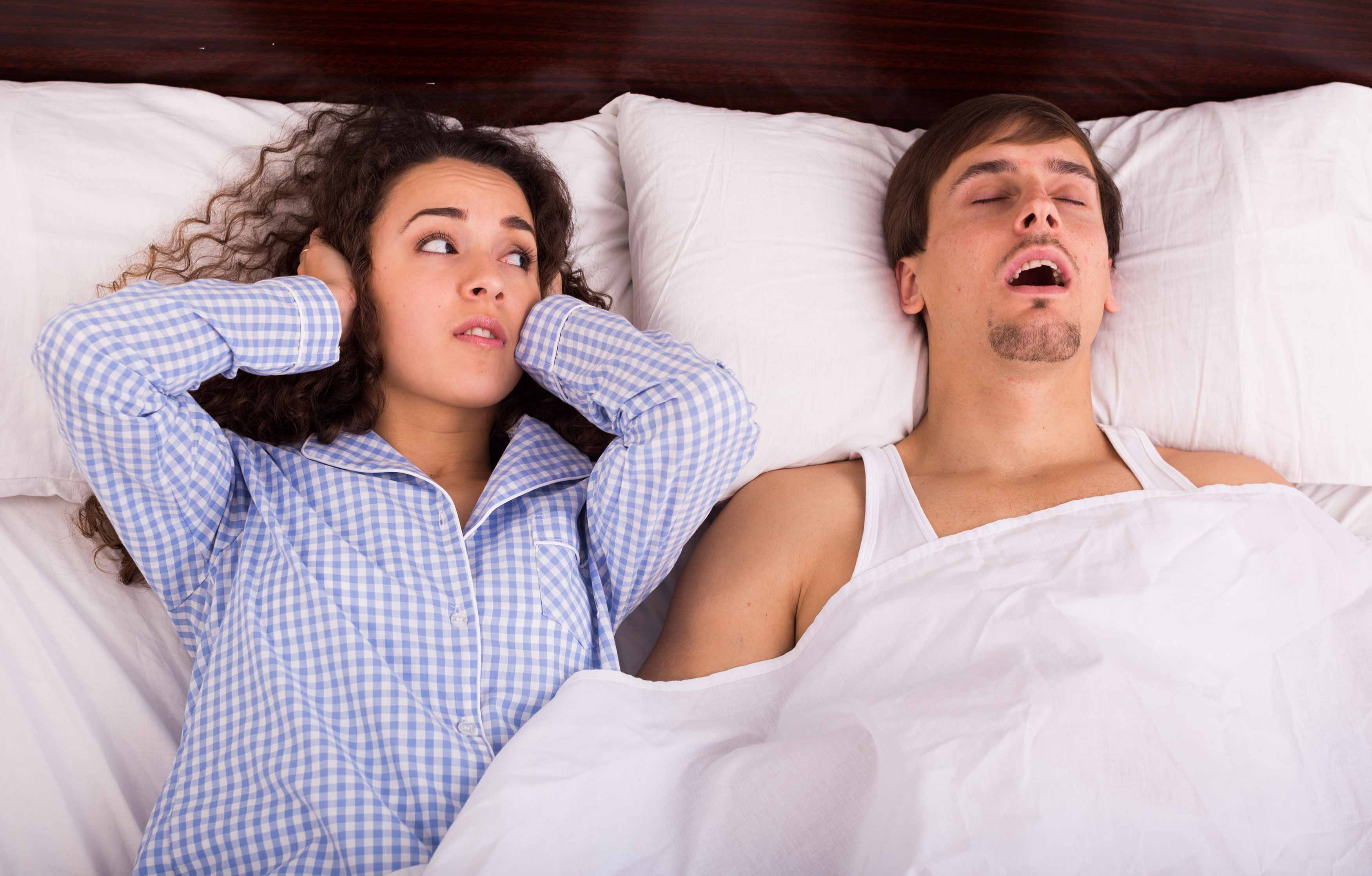
This has a couple in bed sleeping. The male is snoring and keeping his partner asleep. She is looking at him annoyed with her hands covering her ears because of his snoring

How do I know I have

Snoring Problems

?

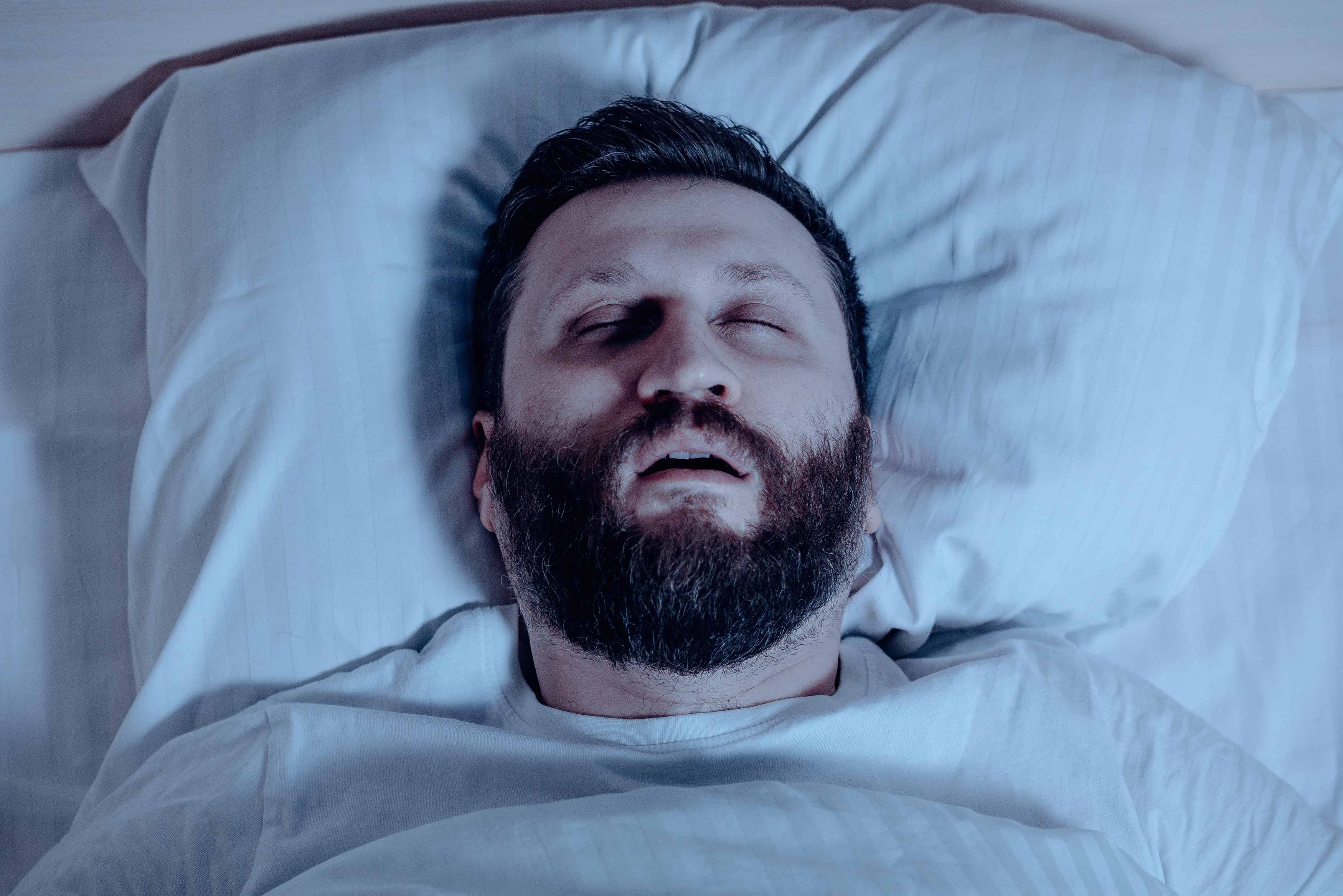
You may know you snore if you or someone else observes loud or intermittent breathing sounds during your sleep. You can also use smartphone applications that can record sounds during your sleep and let you know if you have been snoring overnight.

An elderly couple is in bed, with one partner trying to sleep while the other snores loudly. The room is softly lit, creating a peaceful yet challenging night for the couple.
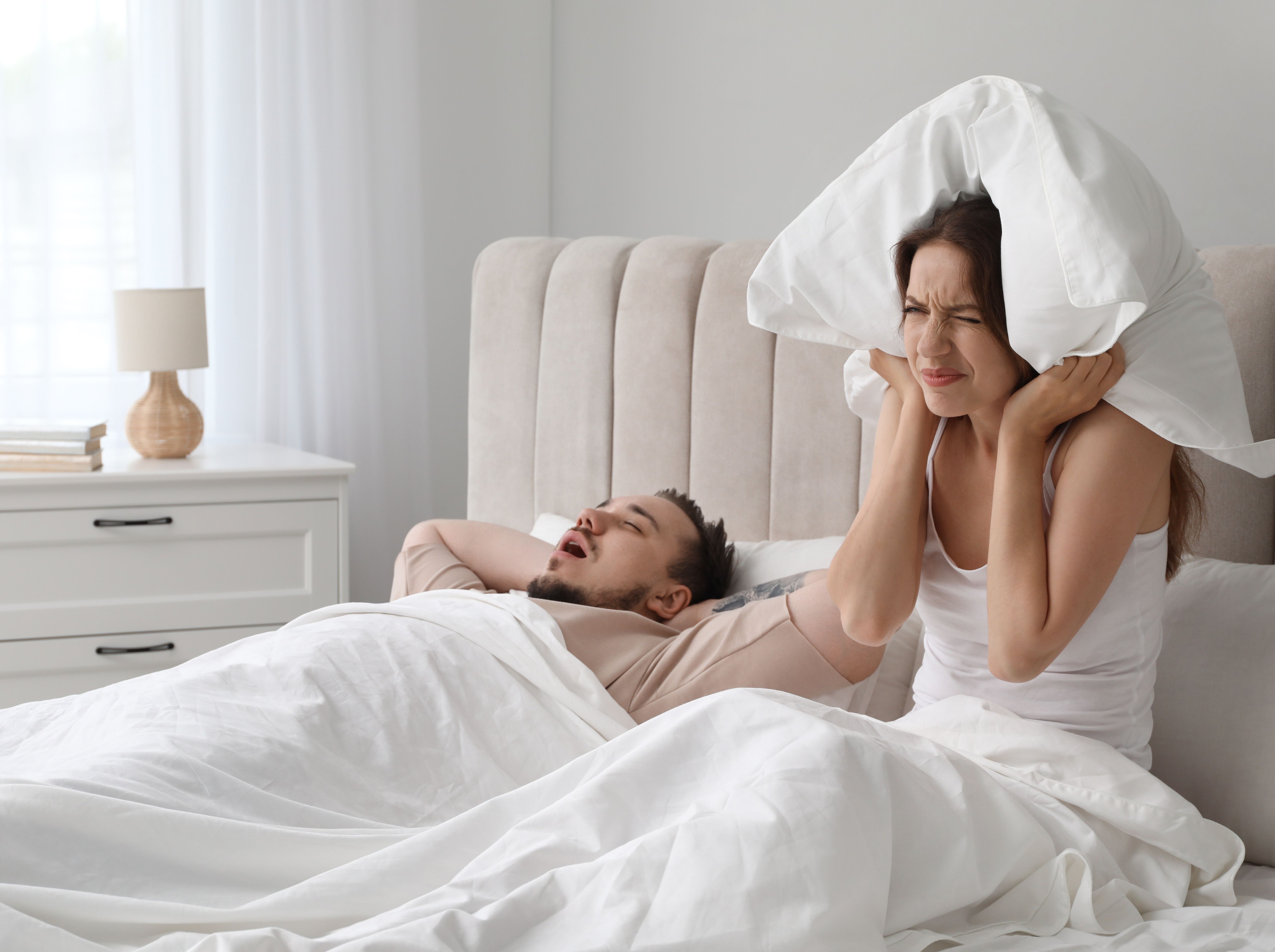
Bedtime. Irritated woman covering ears near her snoring husband in bed at home
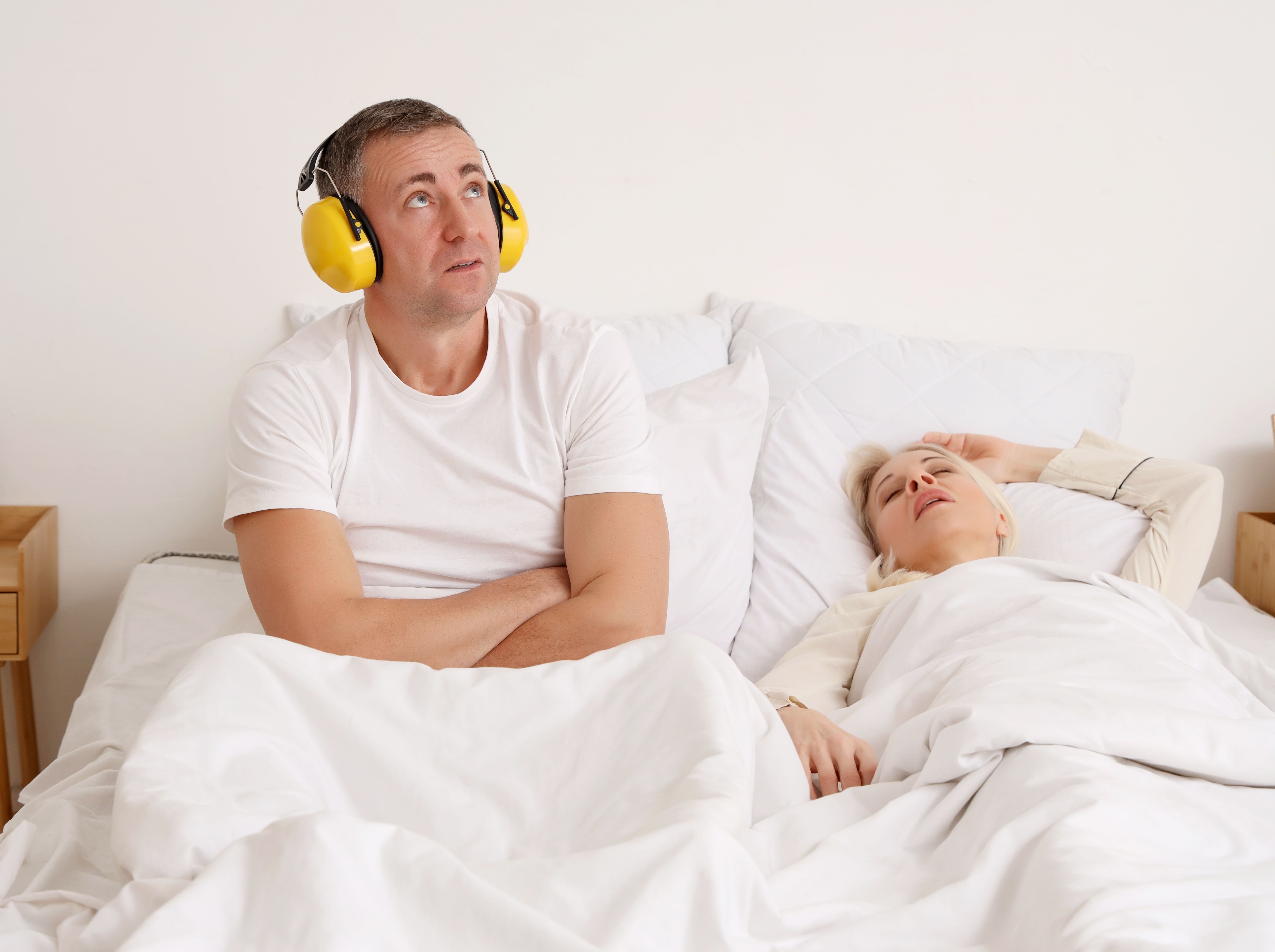
Mature man with hearing protectors cannot sleep because of his wife's snoring in bedroom
Icon of a male snoring

Why do people get

Snoring Problems

?

Snoring occurs when the flow of air through the mouth and throat is partially blocked, causing the surrounding tissues to vibrate as you breathe. It often results from the relaxation of throat muscles during sleep, which can cause the soft tissues at the back of the throat to vibrate, producing the characteristic snoring sound. This blockage can be due to factors like relaxed throat muscles during sleep, nasal congestion, obesity, or sleep apnoea.

Prolonged and loud snoring may indicate a condition called sleep apnoea, where breathing repeatedly stops and starts during sleep.

A photo of a male looking confused
Icon of a male snoring

What if

Snoring Problems

is left untreated?

Snoring can have a significant impact on dental and general health. Snoring can lead to a range of dental and medical issues:

General health issues

Snoring (with or without sleep apnoea) has been linked to increased occurrence of high blood pressure, stroke, heart disease and reduced life expectancy.

Teeth grinding

The constant friction and pressure from snoring can contribute to bruxism (teeth grinding).

Dry mouth

Also known as xerostomia, dry mouth increases the risk of tooth decay and gum disease.

Icon of a male snoring

Treatment approaches for

Snoring Problems

Dentists and medical doctors can play a crucial role in identifying these issues:

Positional appliances

In some cases where snoring is primarily due to sleeping on your back, positional appliances which help you to sleep on your side can be used to stop snoring.

CPAP devices

In cases where snoring as well as sleep apnoea is present, CPAP devices are ideal to help resolve both of these issues as well as possible. These can be prescribed by the sleep physician who conducted your sleep assessment.

Oral appliances

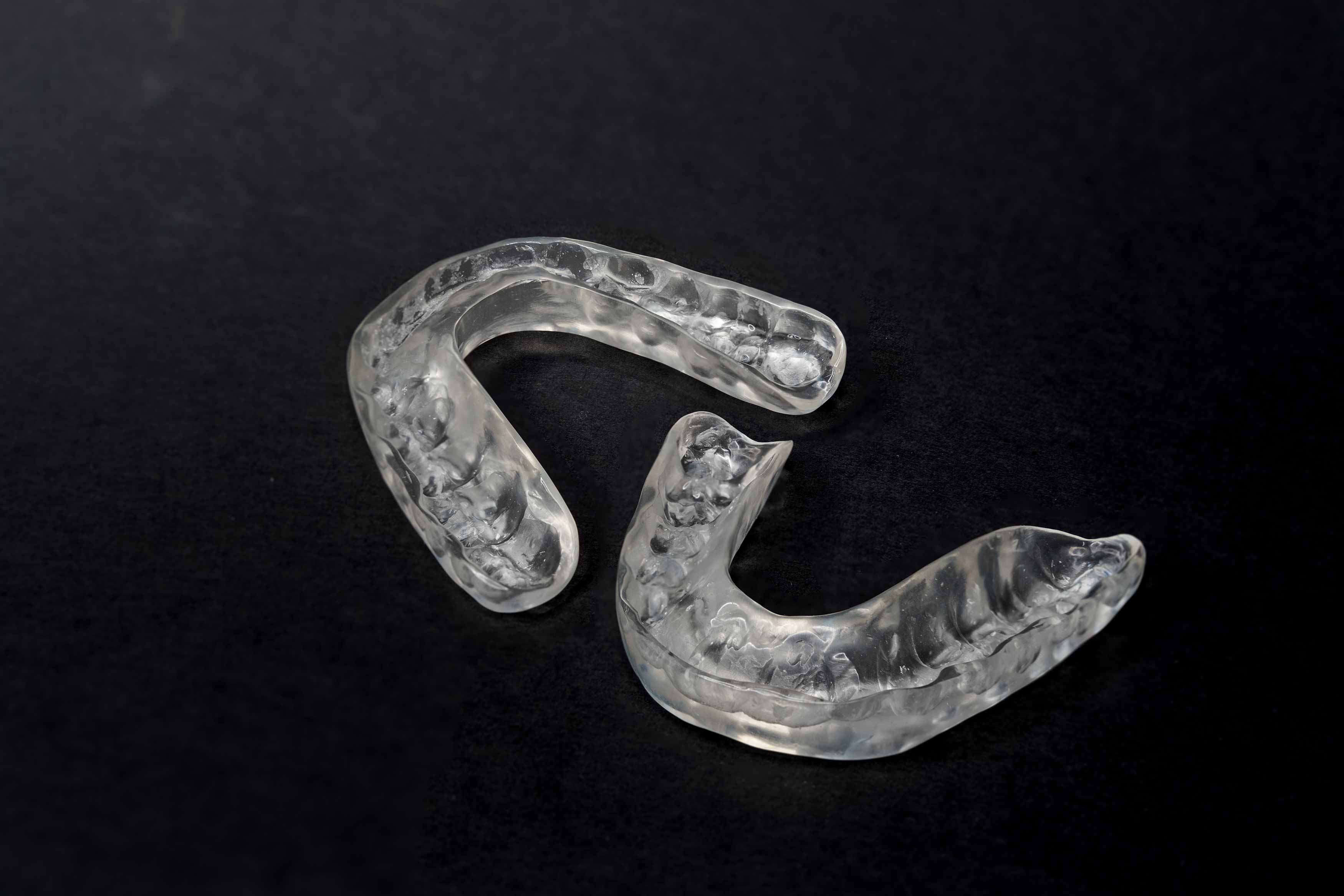
Once your snoring has been assessed and diagnosed, dentists trained in sleep medicine can have specialised sleep appliances made for you to reduce your snoring and improve your sleep quality.

Sleep assessment

A comprehensive sleep assessment can be performed by a sleep physician either in a sleep laboratory or at home with specialised monitoring equipment. This is to assess both your snoring, as well as the presence of sleep apnoea.

Possible
Solutions

Icon of a male snoring

FAQ's about

Snoring Problems

Can snoring affect my teeth?

Is snoring and bad breath related?

Snoring is a sign of what conditions?

Icon of a male snoring

Other Resources

These links provide additional information, tools or resources for those interested in exploring more.

Book an Appointment

Open hours
Monday
8:00am - 5:00pm
Tuesday
8:30am - 7:30pm
Wednesday
9:00am - 5:00pm
Thursday
9:00am - 6:30pm
Friday
7:30am - 5:00pm
Saturday
8:00am - 1:00pm