



















Dental Anxiety Support

View all Services
Why might I need this?
Different approaches
What is the process?
How could this help?
Frequently Asked Questions
Additional resources
Asian woman is worried. She is standing thinking about something. Isolated on background.

About

Dental Anxiety Support

Dental anxiety can stem from a variety of factors and is quite common.

It could be fear of pain, the sound of the drill, or just bad past experiences. Some folks feel a bit on edge, while others might avoid the dentist altogether. It’s super common, and the good news is—there are plenty of ways to help make the experience way more comfortable and stress-free.

It's important to discuss these feelings with your dentist, as there are strategies and treatments that can help alleviate this anxiety.

Photo of a young lady holding her jaw with both hands in fright
Tooth icon with a magnifying glass

Why might I need

Dental Anxiety Support

?

It is important to get dental treatment while not experiencing huge anxiety. This can make the appointments and treatments more pleasant and comfortable.

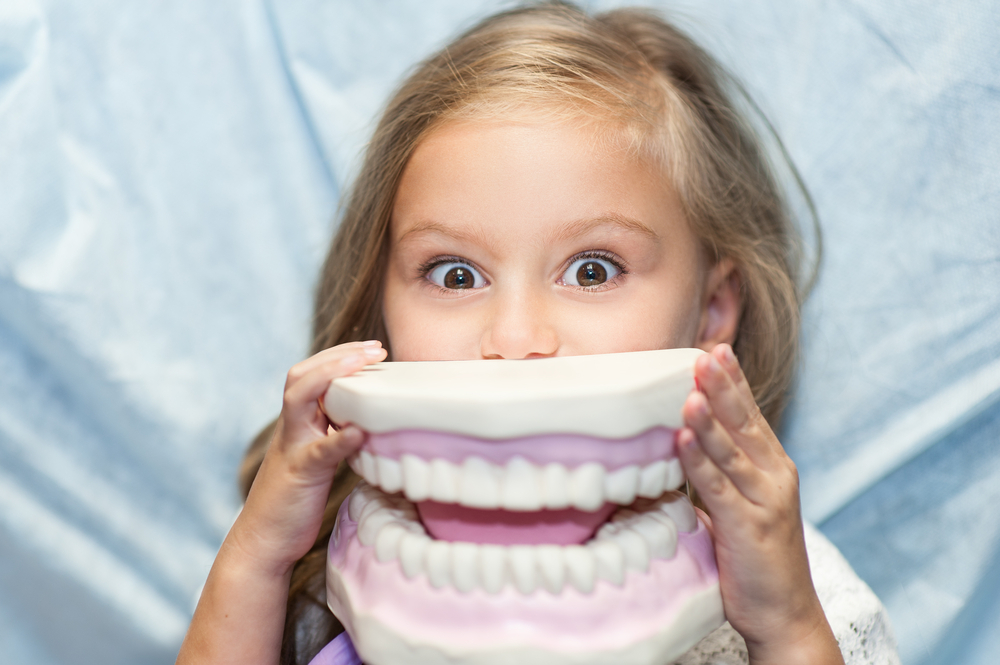
Photo of a shy young girl hiding her mouth behind a very large teeth model showing her shy eyes.
Beautiful young thoughtful and stressful woman in living room at home

Different approaches to

Dental Anxiety Support

There are different approaches to management of dental anxieties:

Intravenous Sedation

In severe cases of anxiety, intravenous (IV) sedation or general anesthesia may be appropriate to ensure you can receive the dental care you require. These are generally provided under supervision and monitoring of specialist anaesthetists. Please speak to your dentist to discuss if this is appropriate for your condition.

Oral Sedatives

There are several medications that can help manage dental anxiety. Oral sedatives (such as diazepam, alprazolam or lorazepam) can be prescribed before a dental visit to help induce a state of relaxation. In these cases, you will require someone to help transport you to and from the dental clinic as you are unable to drive after taking these medications.

Deep breathing or meditation

Deep breathing and relaxation techniques can be very effective in managing dental anxiety. Deep breathing helps to slow the heart rate and promote relaxation. It involves inhaling deeply and slowly through the nose, holding the breath briefly, then exhaling slowly through the mouth. Relaxation techniques, such as progressive muscle relaxation or visualising a calming scene, can help distract the mind and reduce anxiety. These techniques can be practiced before and during the dental appointment to help alleviate anxiety and create a more positive dental experience.


What is involved for

Dental Anxiety Support

How we might help to manage your dental anxiety:

1

Consultation

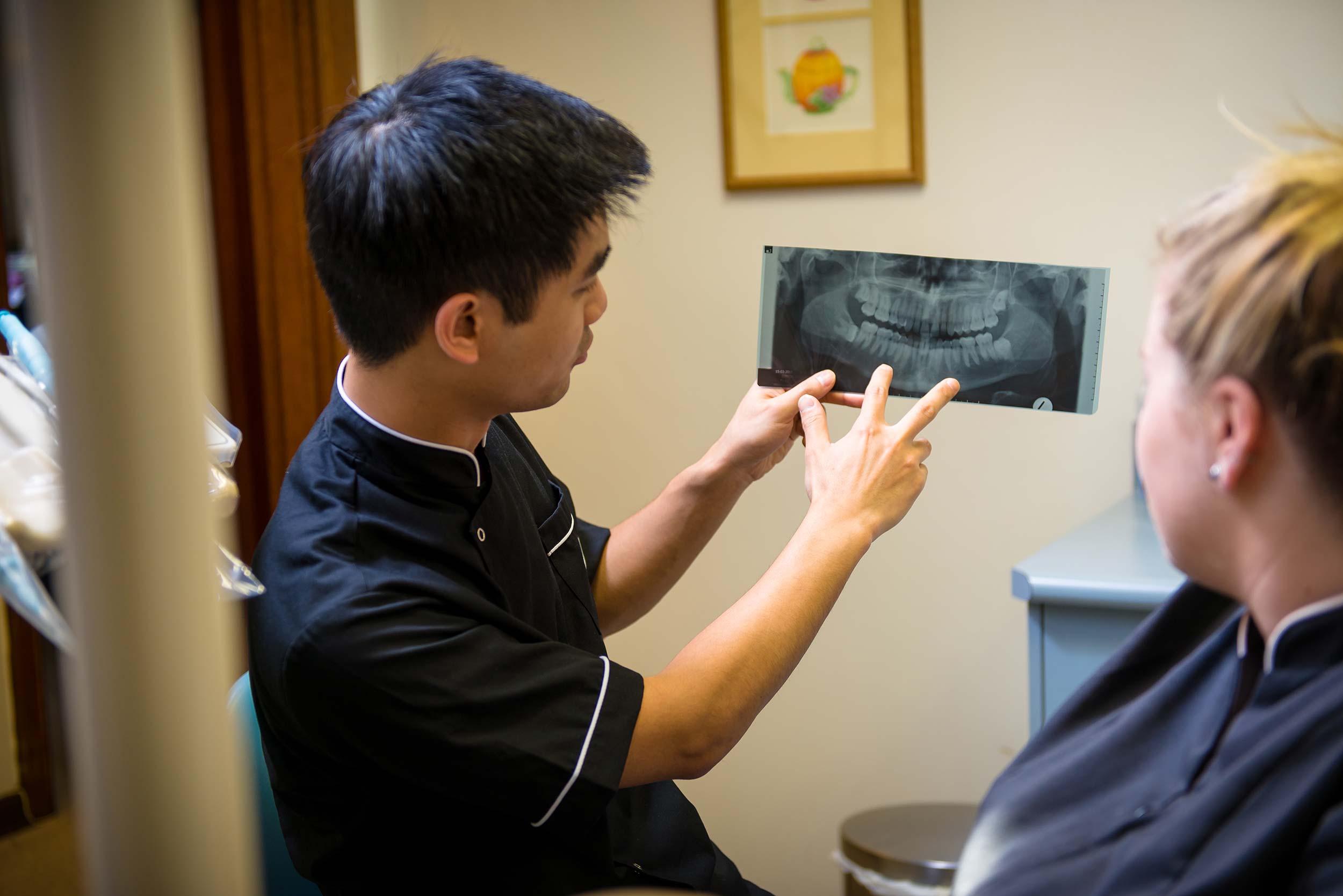
Managing dental anxiety begins with open communication. During a consultation, your dentist should be informed about your fears or concerns. Together, you can discuss these fears and if appropriate, your dentist can explain the upcoming procedures in detail to help alleviate any unknowns. Your dentist can also suggest gradual exposure to treatments, starting with less invasive procedures first to build comfort and trust. Ultimately, managing dental anxiety is a collaborative and ongoing process between you and your dental team.

2

Pre-treatment medications

To manage dental anxiety, your dentist might offer pre-treatment medications such as oral sedatives, like diazepam or lorazepam, taken in advance to help you relax during the procedure.

3

Treatment modifications

Your treatment may be modified to include sedation dentistry techniques, and the use of local anaesthesia to numb treated areas. Additionally, your dentist might use a gradual approach, starting with simpler procedures to build your comfort and trust before moving on to more complex treatments.

Aftercare Information

If you've just had this treatment, or you're interested in learning more about the aftercare resources you'll receive following your treatment - click the button below to go through to more information on this important topic.

Read now
Photo of a young female holding up an OK sign with her right hand

How could

Dental Anxiety Support

help me?

There are several ways to reduce dental anxiety. Open communication with your dentist about your fears can help tailor the treatment plan to your comfort level. Practicing relaxation techniques, such as deep breathing or mindfulness, can calm your mind. Bringing a trusted friend or family member to appointments or listening to calming music can provide distraction and comfort. Lastly, regular dental visits can familiarize you with the environment and procedures, helping to reduce anxiety over time.

FAQ's about

Dental Anxiety Support

Can I wear headphones and listen to my own music?

Can I have medication or laughing gas to help reduce my anxiety?

Can the dental assistant hold my hand?

Book an Appointment

Open hours
Monday
8:00am - 5:00pm
Tuesday
8:30am - 7:30pm
Wednesday
9:00am - 5:00pm
Thursday
9:00am - 6:30pm
Friday
7:30am - 5:00pm
Saturday
8:00am - 1:00pm