




















Dentures

View all Services
Why might I need this?
Different approaches
What is the process?
How could this help?
Frequently Asked Questions
Additional resources
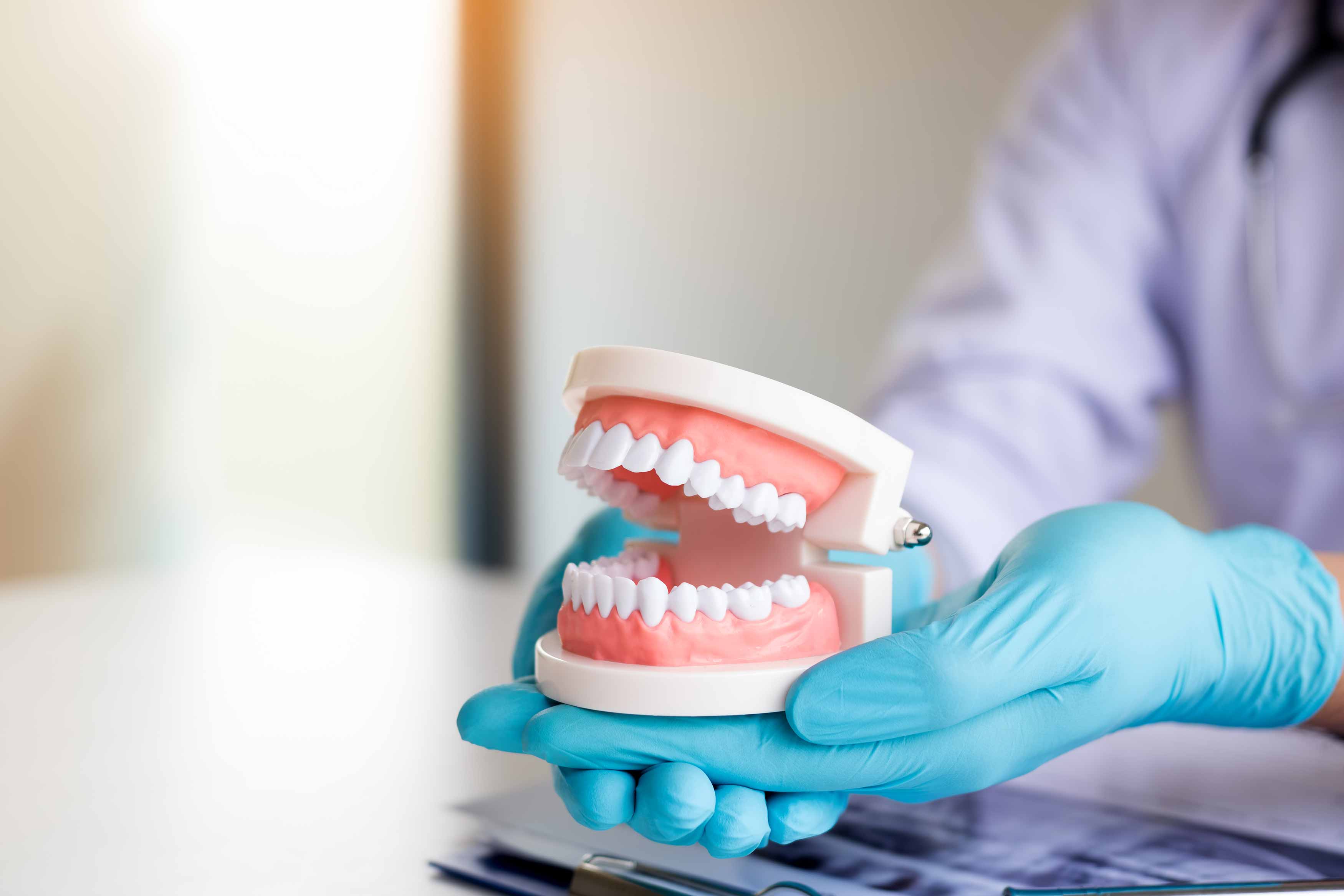
Photo of a fake teeth model on a person's hand

About

Dentures

Dentures are custom-made removable appliances designed to replace missing teeth and restore your smile. They help improve your ability to eat, speak, and maintain facial structure that can be affected by tooth loss. Dentures come in different types—such as full or partial—depending on how many teeth need to be replaced. With proper care and regular dental check-ups, dentures can provide a comfortable and effective solution for restoring oral function and confidence.

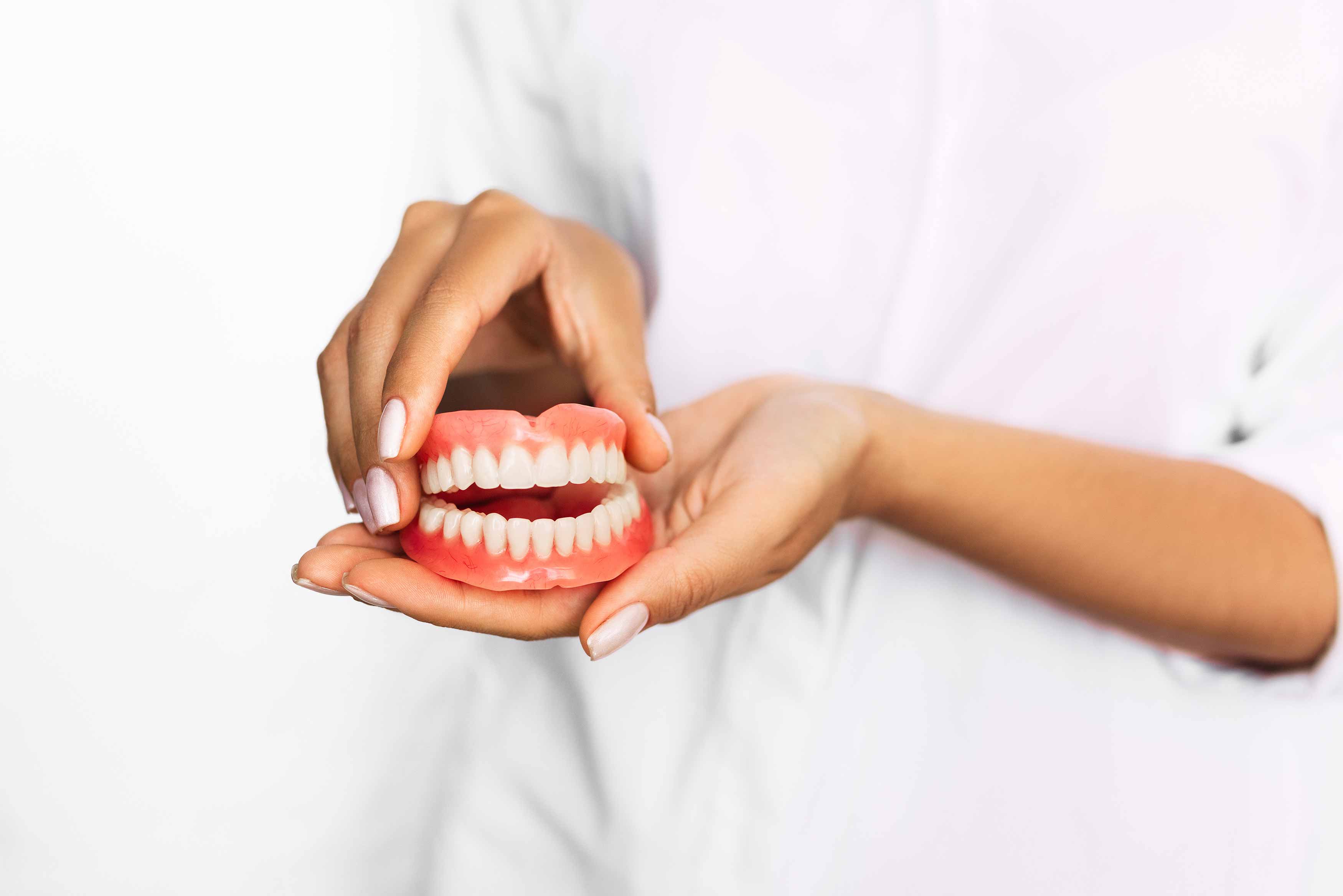
Photo of a full upper and lower full denture
Person with an tooth on the side , symbolizing extra teeth to help with chewing and eating.

Why might I need

Dentures

?

You may need dentures if you’ve lost some or all of your natural teeth due to decay, gum disease, injury, or other health issues. Missing teeth can make it harder to eat, speak clearly, and may change the shape of your face over time. Dentures help restore your smile, improve function, and support facial structure.

Dentures are also a more affordable option compared to other treatments, making them a practical solution for many people who want to replace missing teeth and regain confidence in their smile.

Photo of an older lady checking her own dentures out infront of a mirror
Photo of an older male smile with his upper full denture

Different approaches to

Dentures

There are several types of dentures available, depending on your dental needs, the number of missing teeth, and your budget. Here are the main options:

Immediate Dentures

Placed on the same day your teeth are removed. They allow you to have teeth immediately but may require adjustments as your gums heal.

Implant-Supported Dentures

These are anchored to dental implants placed in the jawbone, offering more stability and comfort. They can be removable or fixed, but they are generally more expensive than traditional options.

Partial Dentures

Ideal when some natural teeth remain. These dentures clip onto your existing teeth and help fill in the gaps, preventing shifting.

Full (Complete) Dentures

Used when all teeth are missing in the upper or lower jaw. These rest directly on the gums and are typically removable.

What is involved for

Dentures

Getting dentures involves several steps to ensure a comfortable and natural fit. Here’s what you can typically expect:

1

Initial Consultation

Your dentist will examine your mouth, discuss your needs, and determine the best type of denture for you (full, partial, or implant-supported).

2

Impressions

Moulds of your gums and any remaining teeth are taken to create a custom fit. Accurate impressions are crucial for comfort and function.

3

Bite Registration

Your bite is measured to see how your jaws align. This helps ensure your dentures will allow you to chew properly and maintain a natural appearance.

4

Try-In (Wax Model)

A wax version of your denture is made and tested in your mouth. This allows adjustments to be made to the fit, shape, and appearance before the final denture is created.

5

Final Denture Fitting

Your completed denture is fitted, and your dentist checks for comfort, function, and appearance. Minor adjustments may be made as needed.

6

Follow-Up Appointments

After wearing your new dentures, your dentist may need to make small tweaks to improve comfort as your mouth adjusts.

Aftercare Information

If you've just had this treatment, or you're interested in learning more about the aftercare resources you'll receive following your treatment - click the button below to go through to more information on this important topic.

Read now
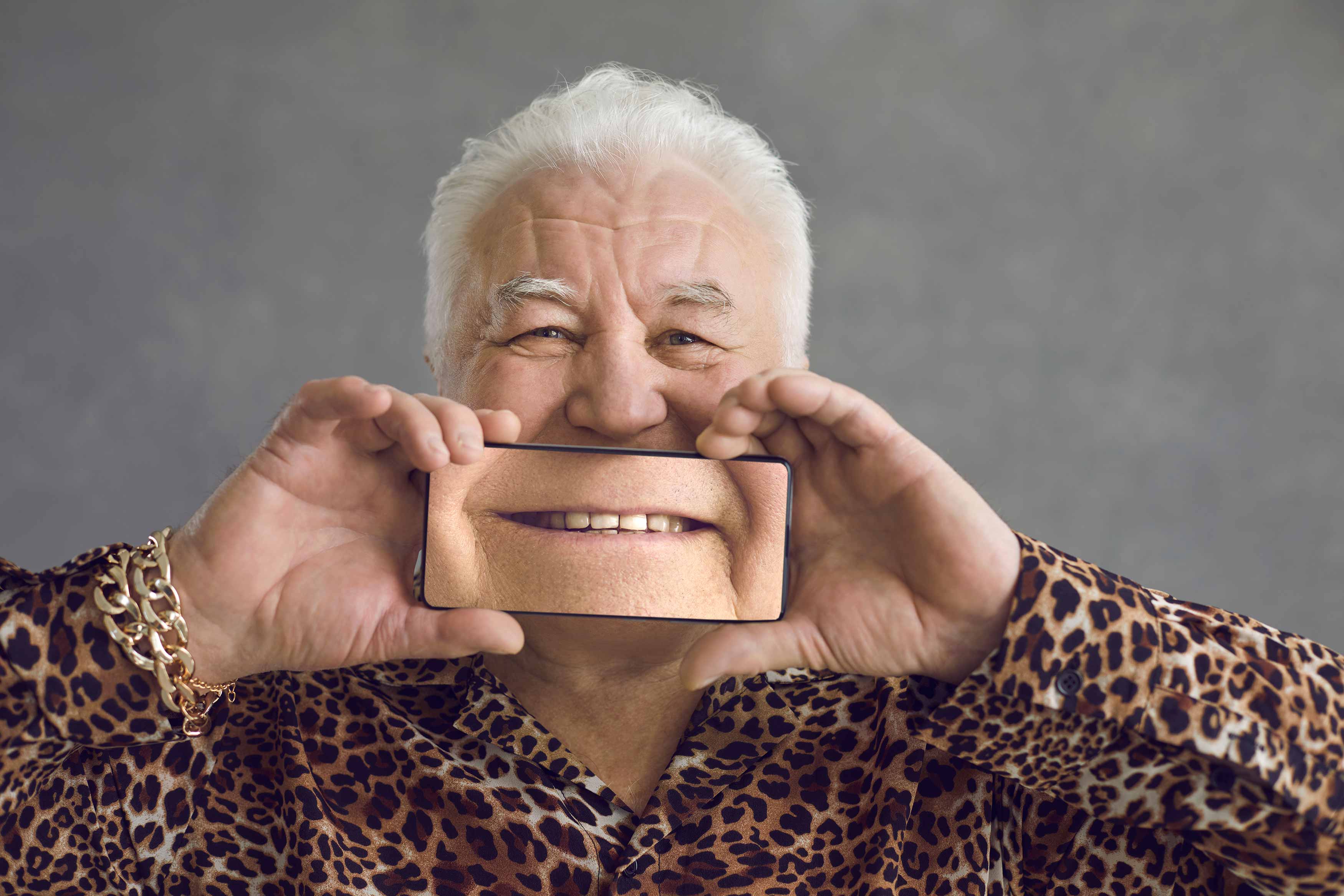
An elderman holding up a blown up photo of his teeth showing off his dentures

How could

Dentures

help me?

Having a denture can significantly improve both your oral health and quality of life. Dentures restore the appearance of your smile and help support your facial muscles, which can prevent the sunken look that often occurs after tooth loss.

They also make it easier to chew food and speak clearly, which can be difficult when teeth are missing. Many people find that dentures boost their confidence, allowing them to smile and engage socially without feeling self-conscious.

In the case of partial dentures, they also help prevent remaining natural teeth from shifting out of place. Additionally, dentures are generally more affordable than dental implants, making them a practical option for many patients seeking to replace missing teeth.

FAQ's about

Dentures

What should I do if I have a broken tooth?

How long do dentures last?

Will dentures change the way I speak?

Why do dentures get loose over time?

Should I sleep with my dentures in?

Book an Appointment

Open hours
Monday
8:00am - 5:00pm
Tuesday
8:30am - 7:30pm
Wednesday
9:00am - 5:00pm
Thursday
9:00am - 6:30pm
Friday
7:30am - 5:00pm
Saturday
8:00am - 1:00pm