














Managing Dental Trauma

View all Services
Why might I need this?
Different approaches
What is the process?
How could this help?
Frequently Asked Questions
Additional resources
Photo of a man being punched in the jaw

About

Managing Dental Trauma

Dental trauma refers to injuries or damage occurring to the teeth, gums, or surrounding structures due to accidents, falls, sports injuries, or other traumatic events. It can involve various forms of trauma, such as tooth fractures, avulsion (complete tooth displacement), luxation (tooth dislodgment), or soft tissue injuries.

Photo of a man with bandage around his head and missing a front tooth
Two arrows going around a tooth icon

Why might I need

Managing Dental Trauma

?

Dental trauma can cause pain, bleeding, swelling, and functional impairment. Prompt evaluation and treatment by a dentist or dental specialist are crucial to assess the extent of the trauma, stabilise affected teeth, manage any associated injuries, and restore oral health and function. Speedy intervention can enhance the chances of successful treatment and minimise long-term complications.

Photo of a male hockey player missing a tooth
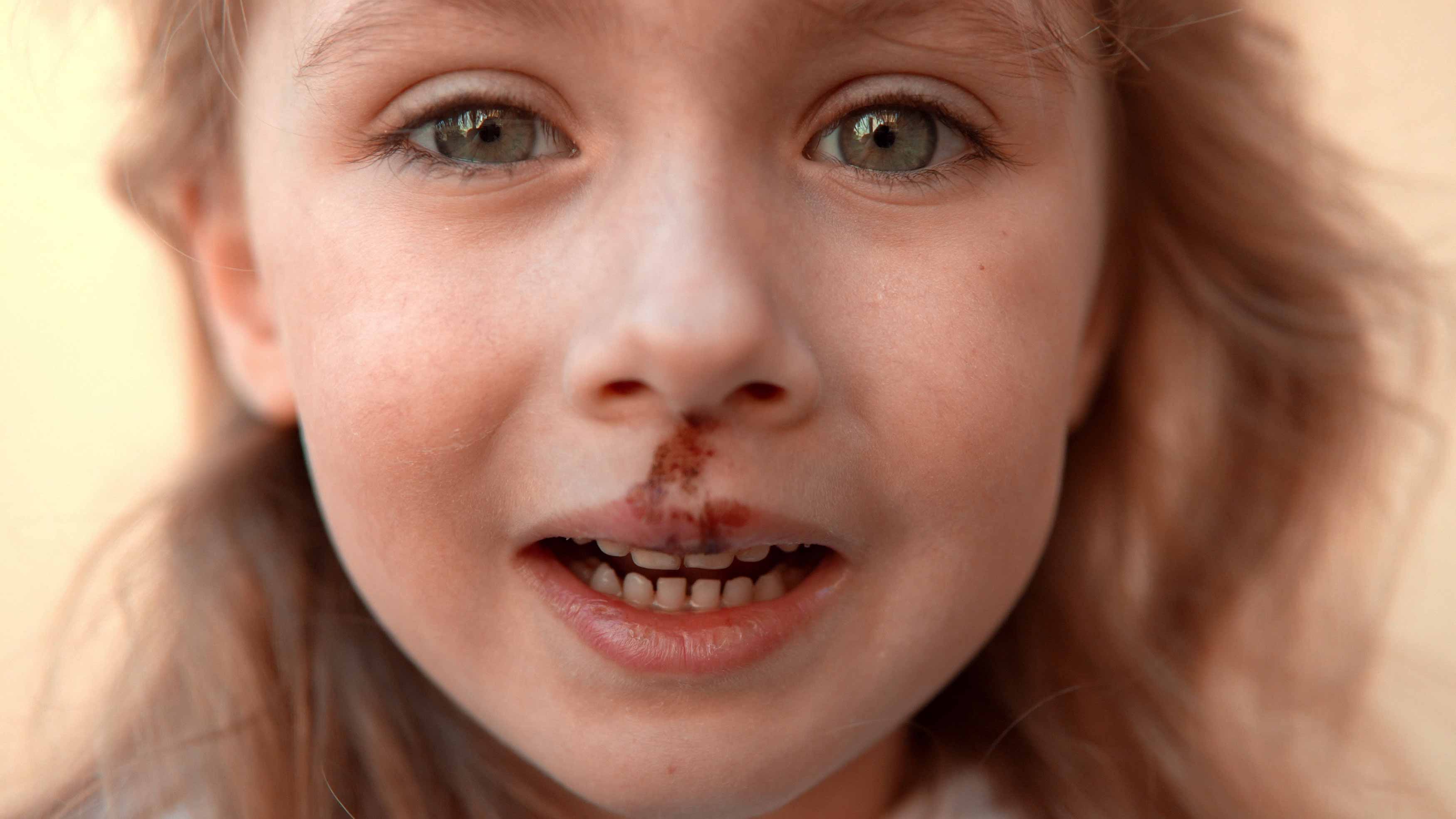
Photo of a girl crying with blood in his mouth after a fall

Different approaches to

Managing Dental Trauma

Different approaches can be taken to treat dental trauma depending on the nature and severity of the injury. It's important to seek prompt dental care for proper evaluation and appropriate treatment.

Soft tissue injuries

Soft tissue injuries (such as cuts or gashes) may involve wound cleansing, stitches, or other treatment. This is generally best performed at a hospital or local medical facility.

Luxation injuries

Luxated (partially dislodged) teeth will require repositioning and stabilisation by a dentist as soon as possible.

Avulsion injuries

Tooth avulsion (where teeth are completely knocked out) requires immediate replantation of the tooth if possible, or storage in a suitable liquid (such as saliva, milk or saline) for transport to a dentist for urgent treatment.

Tooth fractures

Minor fractures or chips may be addressed with dental bonding or veneers, while more extensive fractures may require dental crowns or root canal therapy.


What is involved for

Managing Dental Trauma

If you (or someone you know) experiences dental trauma, there are important steps you can take.

1

Bleeding

If there is bleeding, gently rinse your mouth with water and apply pressure to the affected area with clean gauze or a cloth.

2

Timing

Time is crucial, so seeking prompt dental care is essential for the best possible outcome in cases of dental trauma.

3

Serious Injuries

If there are more serious symptoms (such as headaches, blurred vision, significant cuts or bleeding) it is best to seek urgent medical attention at an emergency department or clinic to assess for other unjuries. If the trauma occurs after hours, you can contact the Royal Dental Hospital of Melbourne (03 9341 1000) for urgent care.

Aftercare Information

If you've just had this treatment, or you're interested in learning more about the aftercare resources you'll receive following your treatment - click the button below to go through to more information on this important topic.

Read now
Photo of a man showing off his missing tooth

How could

Managing Dental Trauma

help me?

Treatment of dental trauma as soon as possible helps through relieving any immediate pain, as well as improving the chances of successful treatment and reducing potential long-term complications.

FAQ's about

Managing Dental Trauma

What should I do if I have a broken tooth?

What should I do if I have a dental accident?

Is it normal for my tooth to go grey?

Should I see a dentist or a GP after a knock to my teeth?

Do I place a knocked out tooth in milk?

Book an Appointment

Open hours
Monday
8:00am - 5:00pm
Tuesday
8:30am - 7:30pm
Wednesday
9:00am - 5:00pm
Thursday
9:00am - 6:30pm
Friday
7:30am - 5:00pm
Saturday
8:00am - 1:00pm