


























Looking for a

Wisdom Tooth Removal

near

Burnley

?

We're the top reviewed Dentist near

Burnley

and are experts in

Wisdom Teeth Removals

. Check out our Google reviews, have a look around our website, and see if you think we'd be a good fit for you and your family?

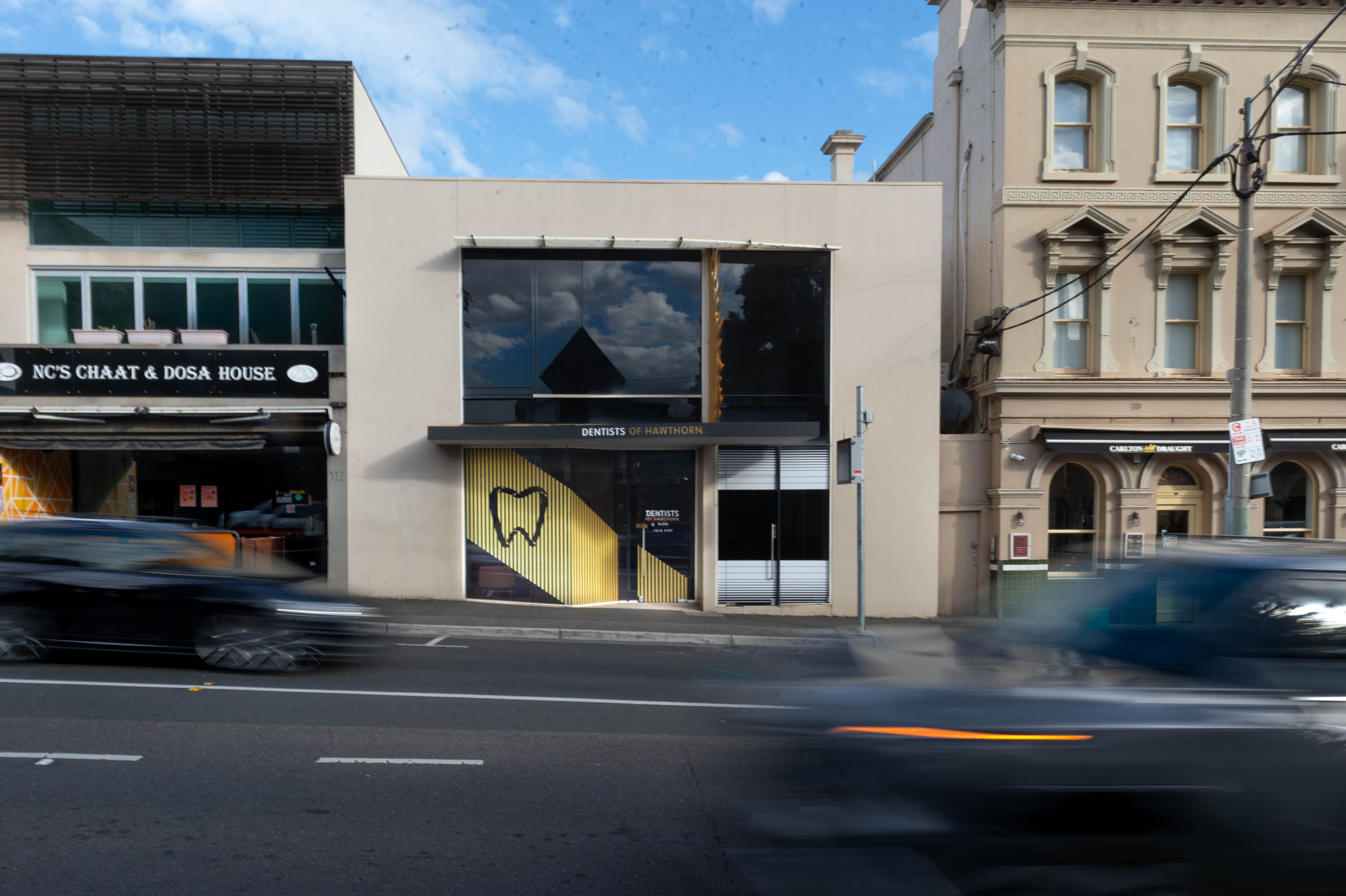
We are just 1 suburb away from Burnley and only a 10-minute drive.

Give us a call here to discuss any questions you have.

How to get here

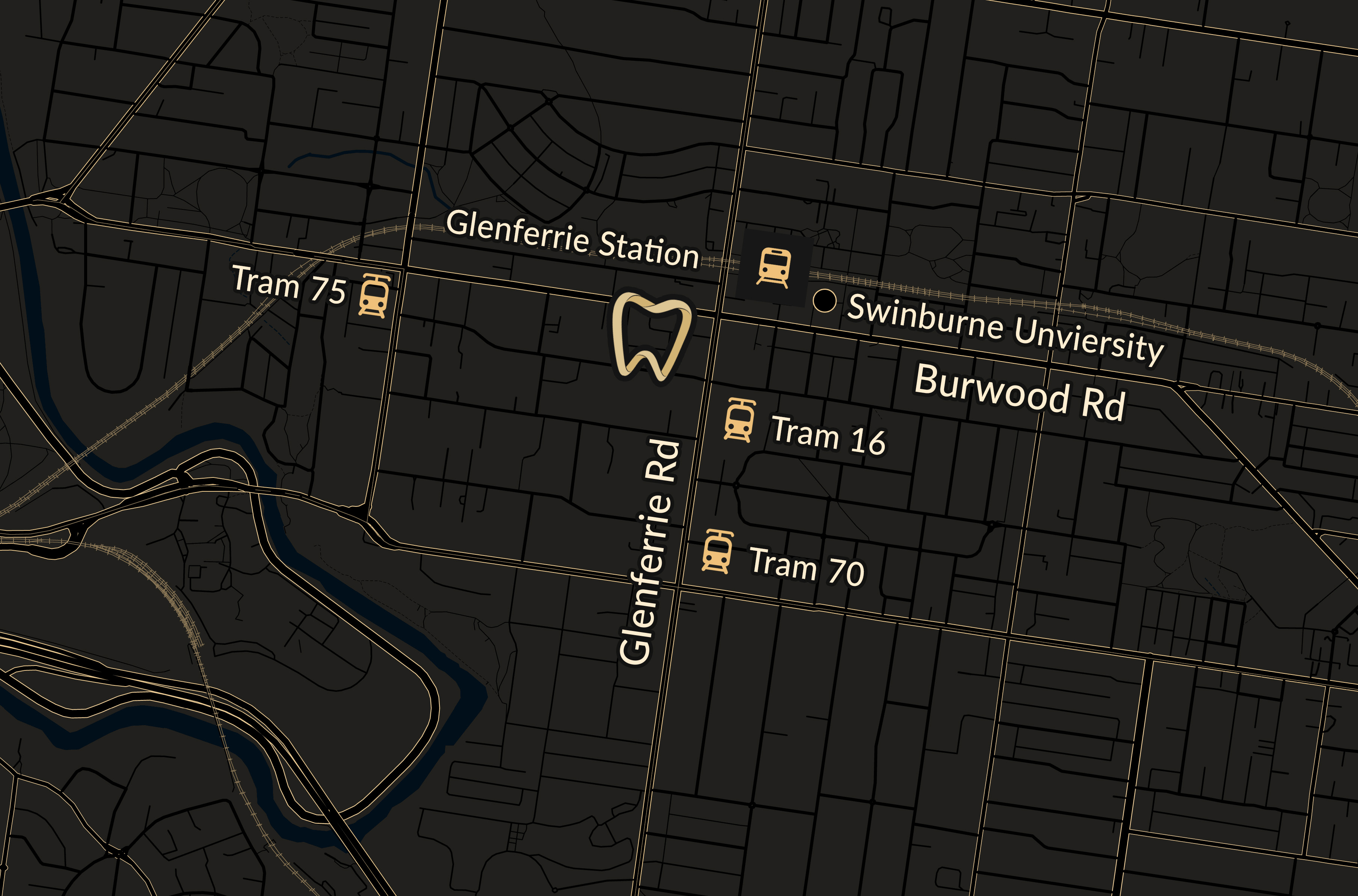
To reach us by train, take the Lilydale/Belgrave line at Burnley station. After a short ride of 2 stops, you'll arrive at Glenferrie Train Station, which is just a five-minute walk away.

If you are catching the tram, we are less than a minute walk from the nearest Tram Stop 73 route 16 at the Corner of Glenferrie & Burwood road.

Ample parking in front and surrounding our clinic if you are driving.

Our Clinic

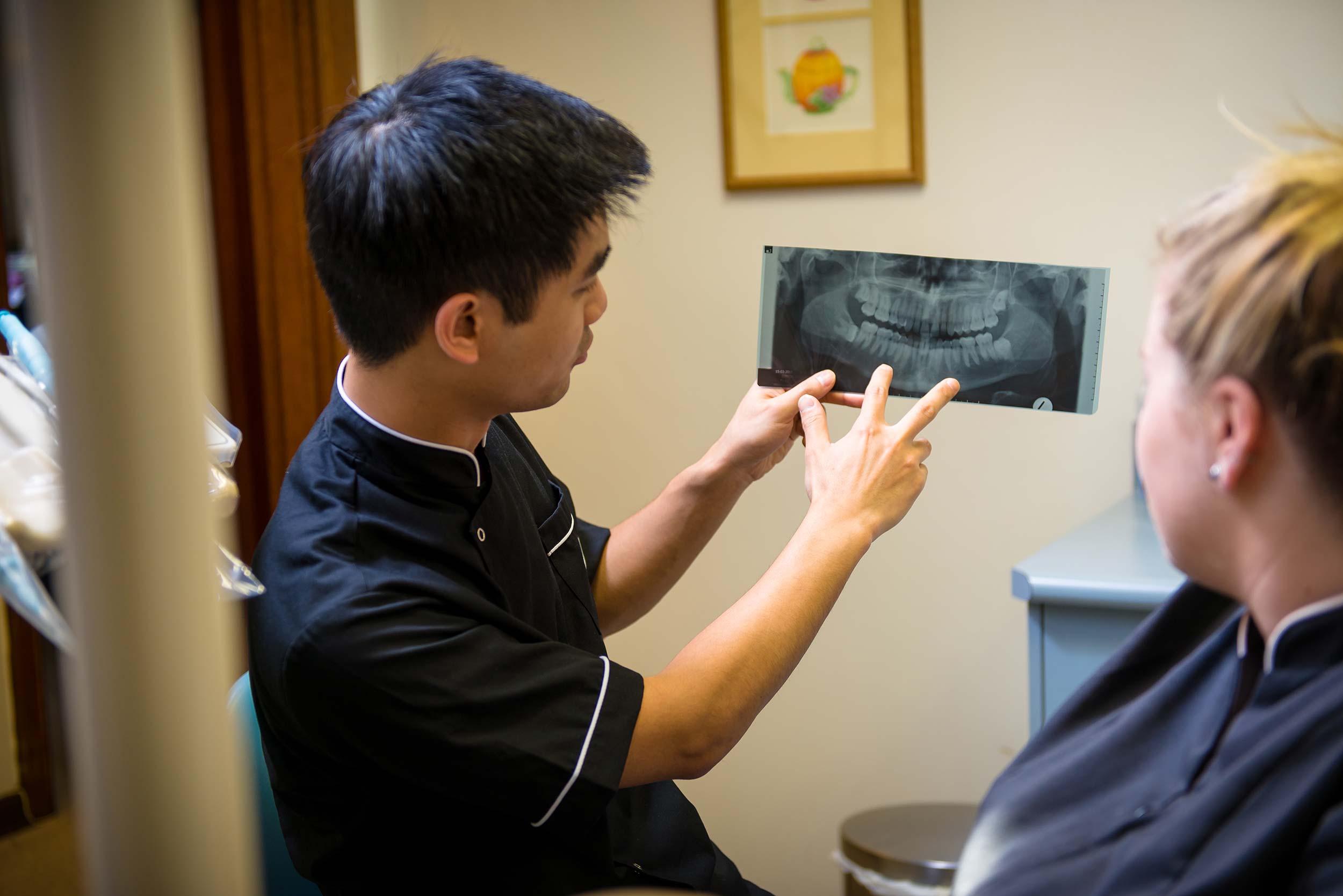
Our clinic was designed with you in mind. From our welcoming reception and cosy waiting area to our modern treatment rooms, we've put thought into every detail to ensure you feel comfortable and at ease throughout your visit. We're proud to call this space our home and we hope you feel that warmth every time you walk through our doors.

About

Wisdom Teeth Removals

Wisdom teeth (or third molars) are usually the last teeth in your mouth to grow and are commonly problematic for many patients. Having your wisdom teeth removed is extremely common and straightforward for most people. It is generally a painless procedure and several options are available to you to ensure a pain-free and comfortable experience.

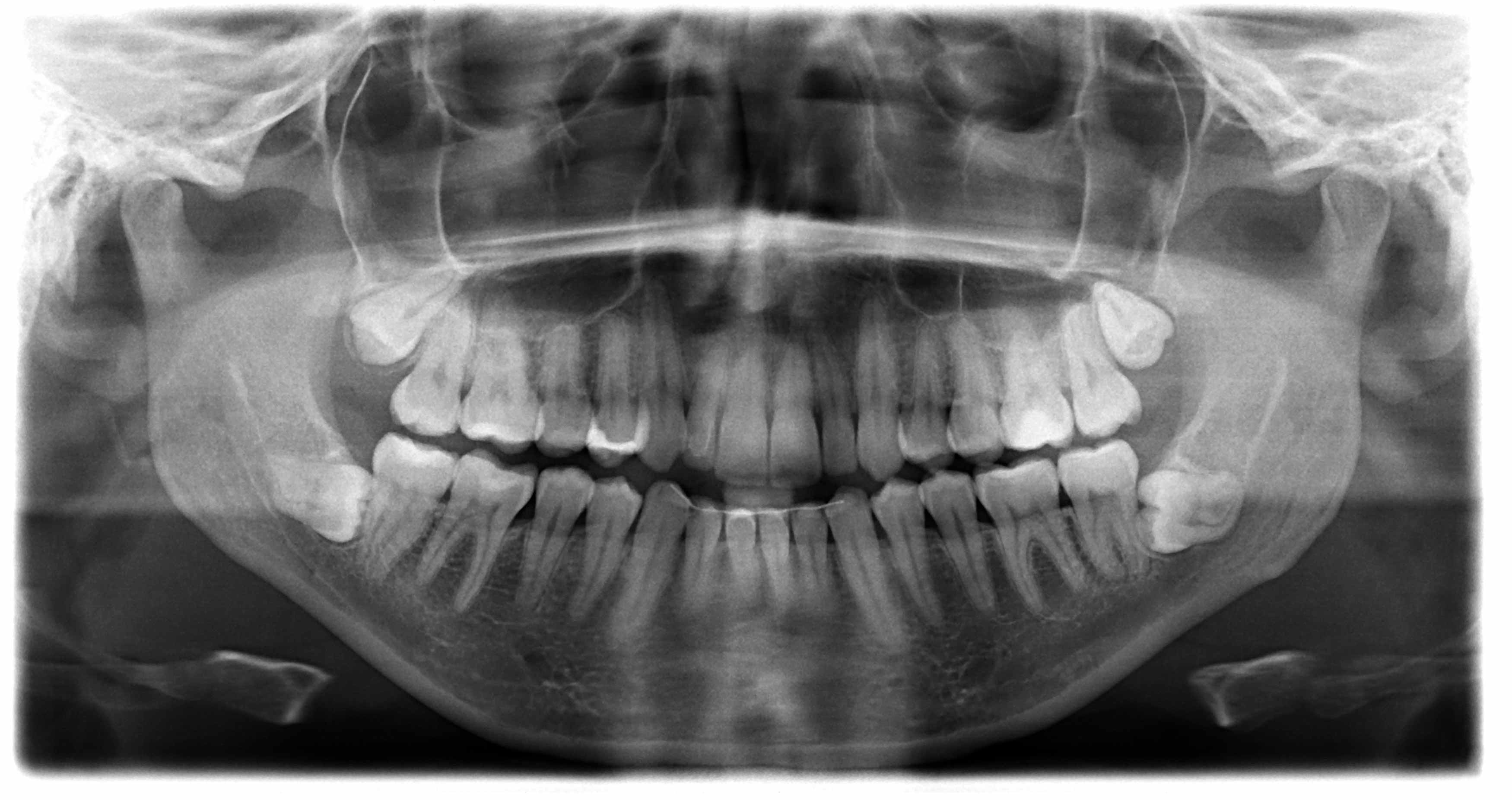
An OPG Xray of someone's mouth showing all four of the wisdom teeth horizontally impacted against the adjacent teeth.
Icons of an impacted wisdom tooth against another tooth

Why might I need

Wisdom Teeth Removals

?

Wisdom teeth removal is generally required when your wisdom teeth are causing pain, infections, or may be damaging adjacent teeth or structures. We generally recommend that wisdom teeth are removed if they are unlikely to grow into a correct position as this is usually when the potential for pain, infection or other problems is most likely.

Most commonly, wisdom teeth removal is required due to pain from surrounding gum tissue rather than from the tooth itself. This is due to food and bacteria accumulating under the gums around the wisdom tooth, which leads to pain, swelling and infections. While we can clean out the area for short term relief, this problem will commonly return periodically.

Other common reasons for wisdom teeth removal include decay in the wisdom tooth, wisdom teeth causing damage to other teeth, or the prevention of any of these problems.

Icons of an impacted wisdom tooth against another tooth

Different approaches to

Wisdom Teeth Removals

Wisdom teeth removal is performed under local or general anaesthesia by a general dental surgeon or a specialist maxillofacial surgeon. This will depend on the difficulty of the procedure, individual risk factors for each case, medical conditions and your personal level of comfort with dental procedures. The wisdom tooth removal procedure does not differ significantly whether you are treated under local or general anaesthesia.

Wisdom tooth removal with a specialist oral (maxillofacial) surgeon

More common where your wisdom tooth removal is likely to be complicated, or involves increased risks. There are sometimes important nerves in close proximity to your wisdom teeth (which supply sensation to your teeth, tongue, lips and chin) or structures such as the maxillary sinuses. Your dentist may recommend that you see an oral surgeon to have the tooth removed as carefully as possible to reduce the chance of damage and unwanted complications.


Wisdom tooth removal under general anaesthesia

Performed where you are unconscious in a hospital theatre. As you are not aware of anything throughout the procedure itself, it can be less unpleasant than having the procedure under local anaesthetic, but takes more time and has greater costs involved.

Wisdom tooth removal under local anaesthesia

Performed while while you are awake but feel no pain. The procedure itself is pain-free, but can be unpleasant as during the procedure the gum or bone, as well as the tooth itself may need to be moved, as well as stitches placed.

Wisdom tooth removal under general anaesthesia

Wisdom tooth removal under general anaesthesia is performed where you are unconscious in a hospital theatre. As you are not aware of anything throughout the procedure itself, it can be less unpleasant than having the procedure under local anaesthetic, but takes more time and has greater costs involved.

Wisdom tooth removal with a specialist oral (maxillofacial) surgeon

Wisdom tooth removal with a specialist oral (maxillofacial) surgeon is common where your wisdom tooth removal is likely to be complicated, or involves increased risks. There are sometimes important nerves in close proximity to your wisdom teeth (which supply sensation to your teeth, tongue, lips and chin) or structures such as the maxillary sinuses. Your dentist may recommend that you see an oral surgeon to have the tooth removed as carefully as possible to reduce the chance of damage and unwanted complications.
Icons of an impacted wisdom tooth against another tooth

What is involved for

Wisdom Teeth Removals

Wisdom tooth removal varies in complexity depending on the position, shape and condition of each tooth. The time required for the procedure will depend on the difficulty, and number of teeth being removed. Each tooth could require anywhere between 10 to 45 minutes for removal under local anaesthesia.

1

Pre-operative assessment

Your dentist or surgeon will confirm the procedure you are undergoing, as well as ensuring you are aware of the risks involved, as well as being aware of what to expect during and after the procedure.

2

Anaesthetic

The nerves supplying the tooth and the tissues around your tooth are anaesthetised to prevent pain signals during the removal of your tooth. Your dentist or surgeon will check to ensure this is working correctly before proceeding further.

3

Tooth removal

In simple cases, the wisdom tooth may just require loosening before removal of the tooth in a single piece. In more time-consuming cases, your dentist or surgeon may require that your gum is temporarily repositioned, removal of bone surrounding the tooth may be required, the tooth may require removal in sections, and stitches may be required.

4

Recovery & aftercare

After the procedure is completed, your dentist or surgeon will ensure that you are sufficiently recovered before leaving, as well as going through instructions to ensure you have as little pain as possible.

5

Review

In some cases, your dentist or surgeon will require you return a few weeks after the procedure to review the site to review healing and address any ongoing issues.

Photo of a person holding his left jaw in pain
Icons of an impacted wisdom tooth against another tooth

How could

Wisdom Teeth Removals

help me?

Wisdom tooth removal will allow you to avoid potential significant pain from the wisdom tooth itself, or potentially from teeth around the site. In some cases where wisdom teeth are left for too long, this may result in loss of not only the wisdom tooth, but sometimes the tooth in front as well! Your dentist will advise you if removal of wisdom teeth for prevention of future problems.

Icons of an impacted wisdom tooth against another tooth

FAQ's about

Wisdom Teeth Removals

How long do I need off work after having my wisdom teeth removed?

Does removing my wisdom teeth mean that my teeth will not become crowded?

Will removing my wisdom teeth hurt?

How long do I need off work after having my wisdom teeth removed?

Does removing my wisdom teeth mean that my teeth will not become crowded?

Will removing my wisdom teeth hurt?

Book an Appointment

Open hours
Monday
8:00am - 5:00pm
Tuesday
8:30am - 7:30pm
Wednesday
9:00am - 5:00pm
Thursday
9:00am - 6:30pm
Friday
7:30am - 5:00pm
Saturday
8:00am - 1:00pm