





















Different approaches to
Teeth Whitening
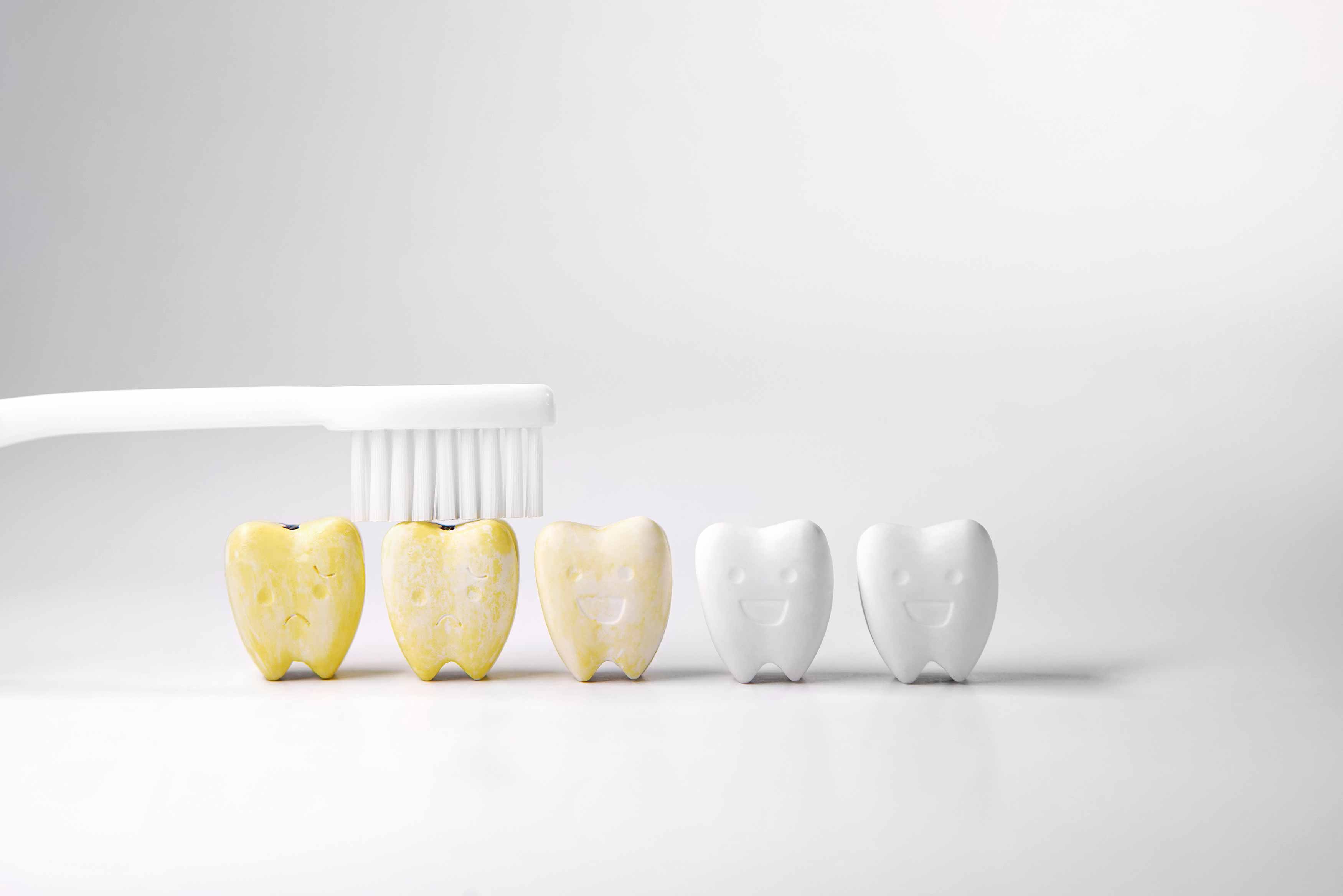
Professional teeth whitening is generally separated into an ‘in-chair’ or ‘at-home’ approach. There are also other less effective ‘over-the counter’ products that are marketed to whiten teeth. We recommend that you have a consultation with a dentist to discuss which is more appropriate for your individual situation.
Lifestyle Changes
Making adjustments to lifestyle habits, such as reducing consumption of stain-causing foods and beverages, quitting smoking, and maintaining good oral hygiene practices, can help prevent further yellowing and maintain the results of teeth whitening treatments.
Charcoal toothpastes
These toothpastes act as abrasives and only remove some stains, but do not change the underlying colour of teeth. We do not recommend the use of these toothpastes as they can cause damage to your teeth over time.
Over-the-counter whitening strips/gels/pens
These products use a very low strength whitening chemical which is used in professional whitening products. These will help to whiten teeth but will take a long time and may potentially be less effective.
Whitening toothpastes
These toothpastes either work with a low strength whitening chemical (similar to professional products) and work over a very long period, or are very abrasive and can potentially cause damage to your teeth. We recommend you speak to your dentist about the specific product before using it.
Professional take-home bleaching trays
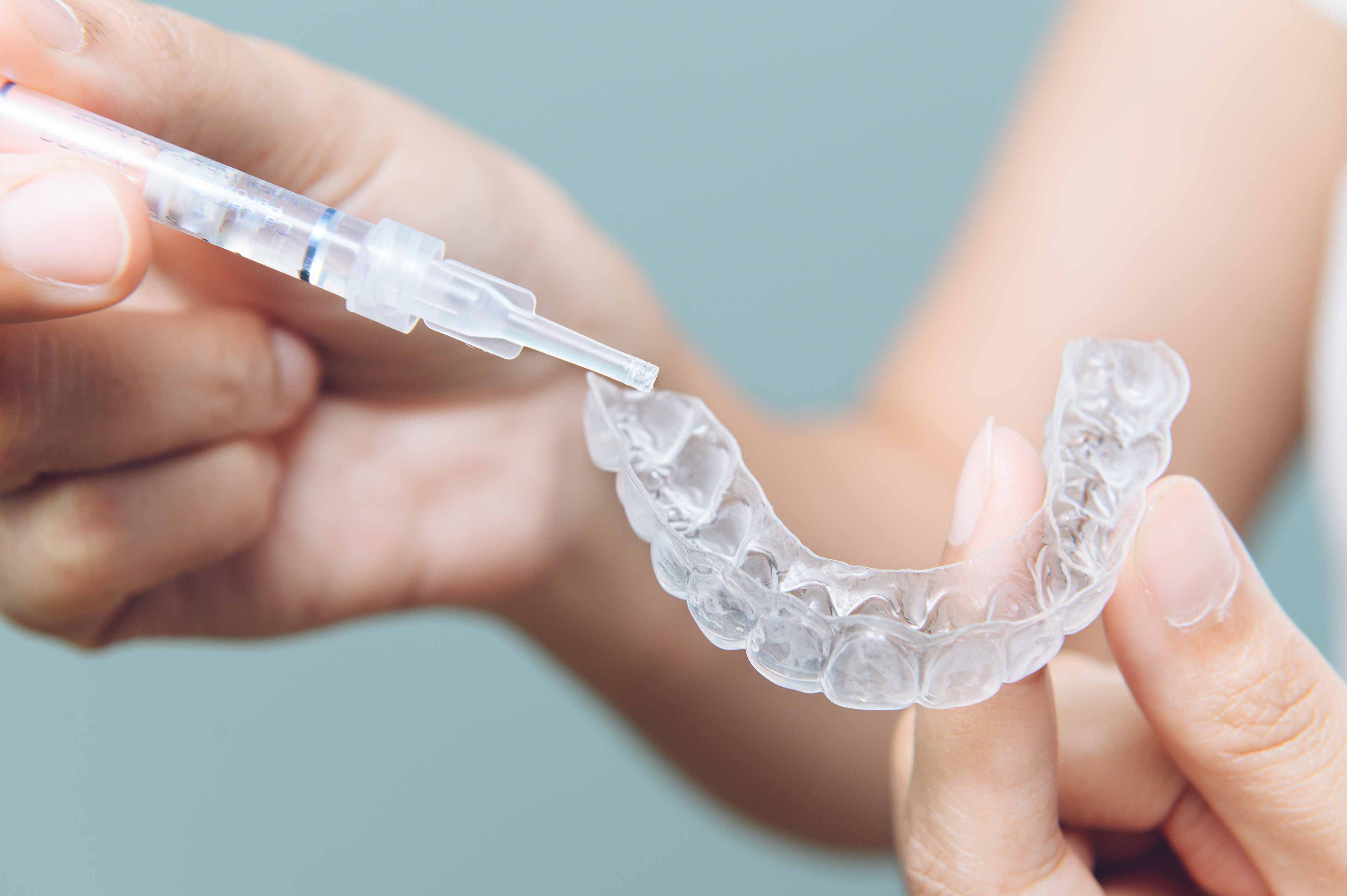
This approach uses a gentler, lower concentration gel in a custom whitening tray which you can use at home over a fortnight. The results are just as effective as the in-office method, but with lesser sensitivity.
Professional in-office (or Zoom) whitening
This ‘in-chair’ approach uses a very high concentration gel over 3 to 4 applications of 15 minutes each. The results are very good, but can cause significant sensitivity or struggle with certain stubborn stains.