




























Looking for a

Splint

near

Burnley

?

We're the top reviewed Dentist near

Burnley

and are experts in

Splints

. Check out our Google reviews, have a look around our website, and see if you think we'd be a good fit for you and your family?

We are just 1 suburb away from Burnley and only a 10-minute drive.

Give us a call here to discuss any questions you have.

How to get here

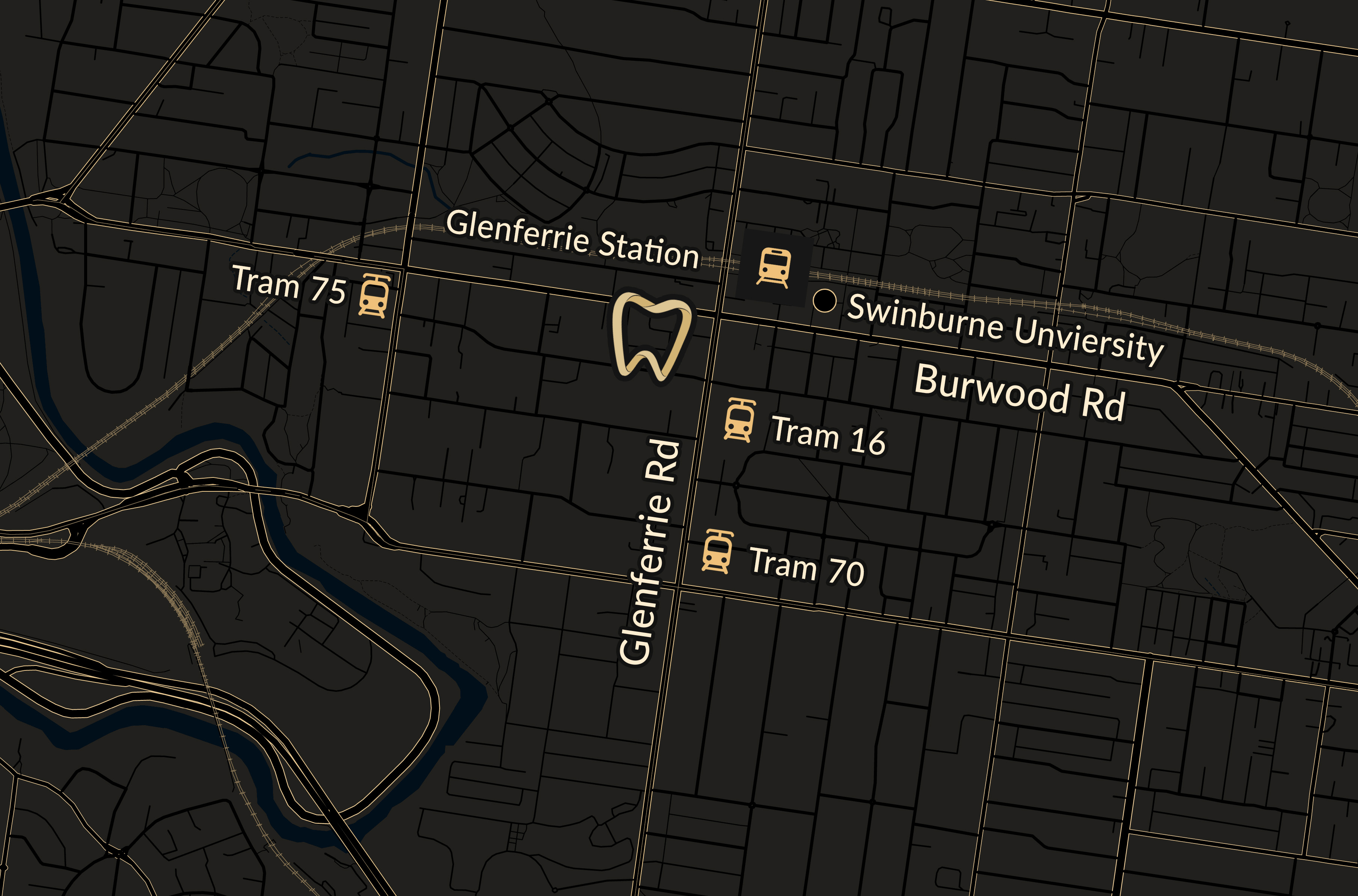
To reach us by train, take the Lilydale/Belgrave line at Burnley station. After a short ride of 2 stops, you'll arrive at Glenferrie Train Station, which is just a five-minute walk away.

If you are catching the tram, we are less than a minute walk from the nearest Tram Stop 73 route 16 at the Corner of Glenferrie & Burwood road.

Ample parking in front and surrounding our clinic if you are driving.

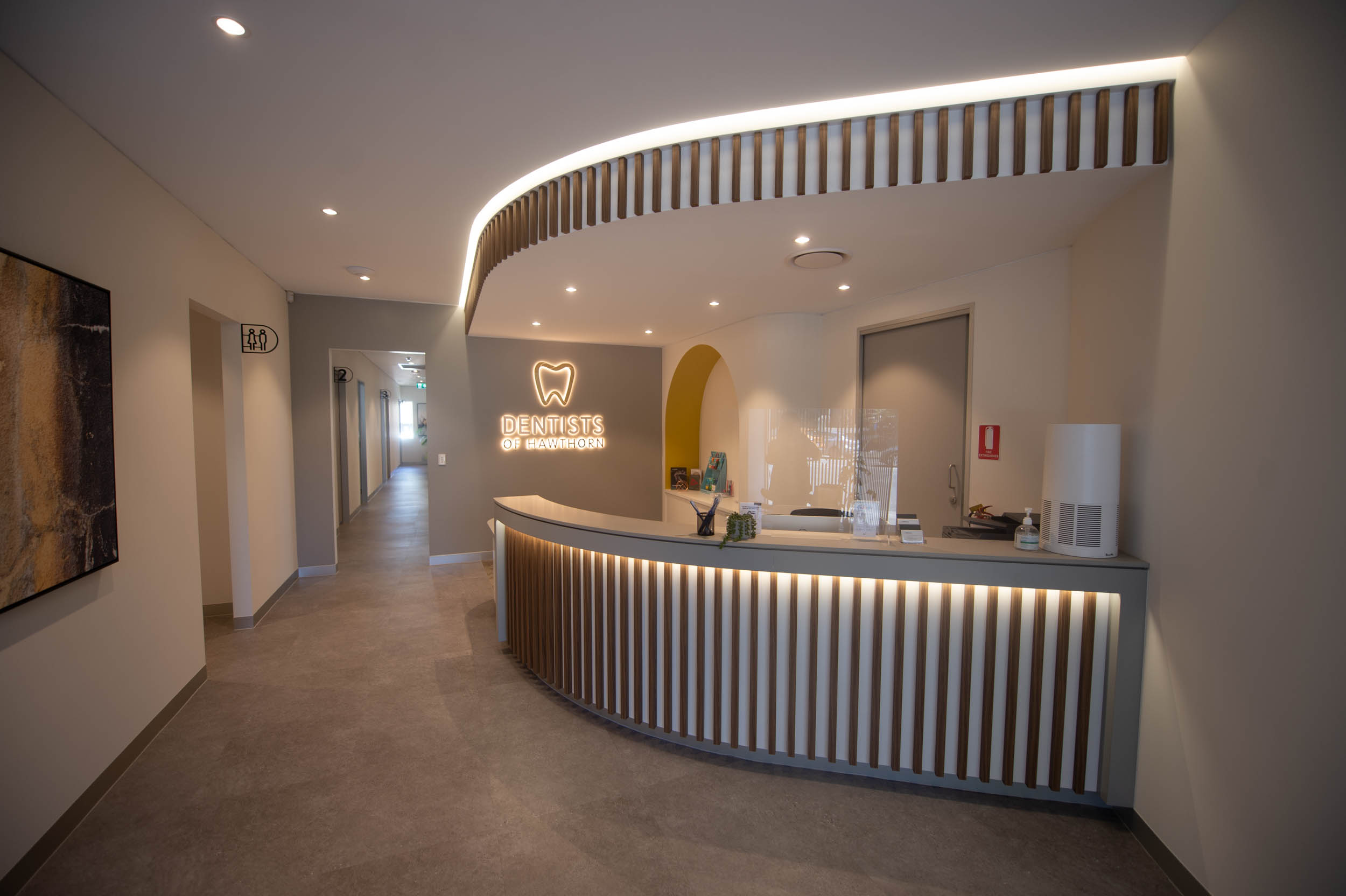
Our Clinic

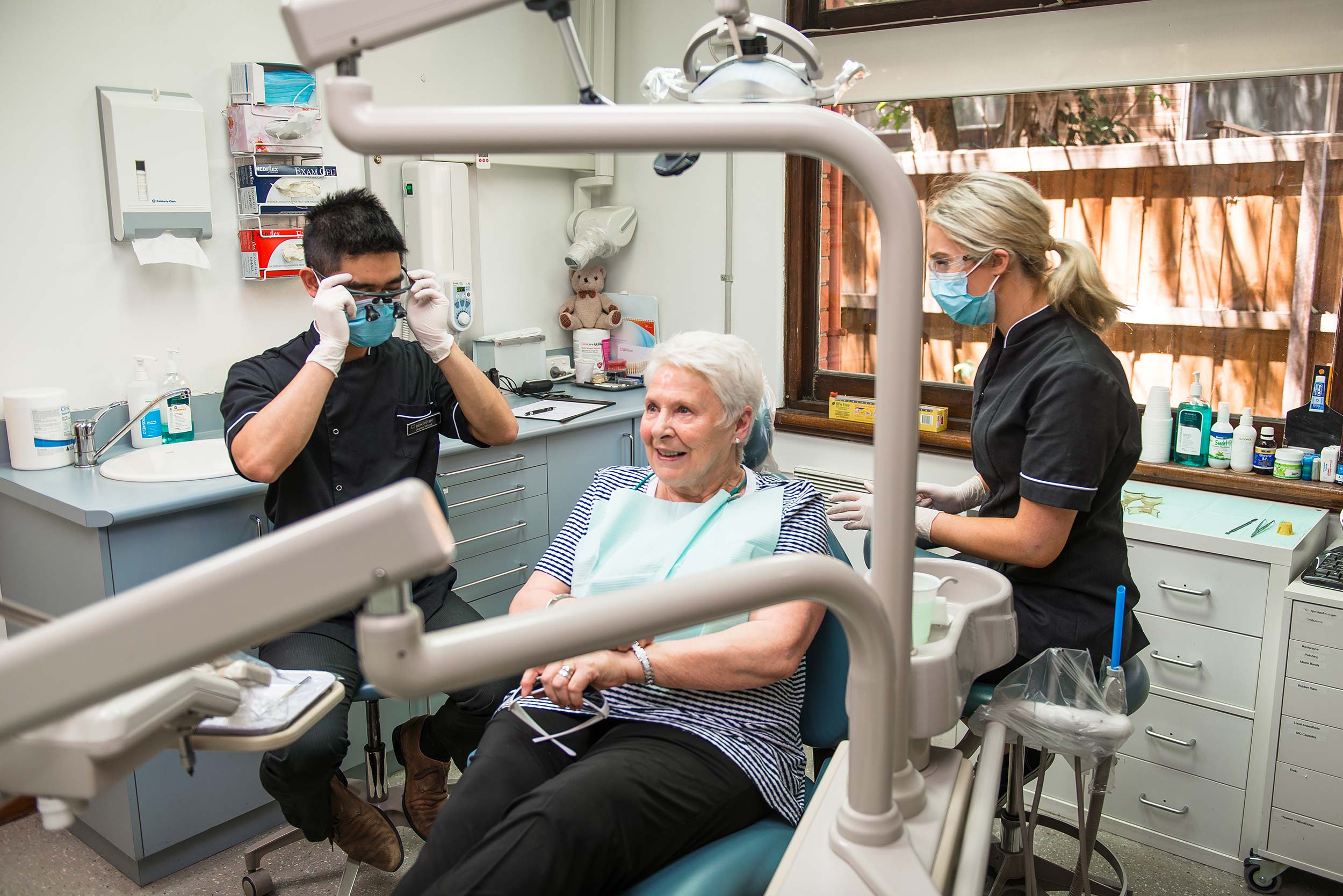
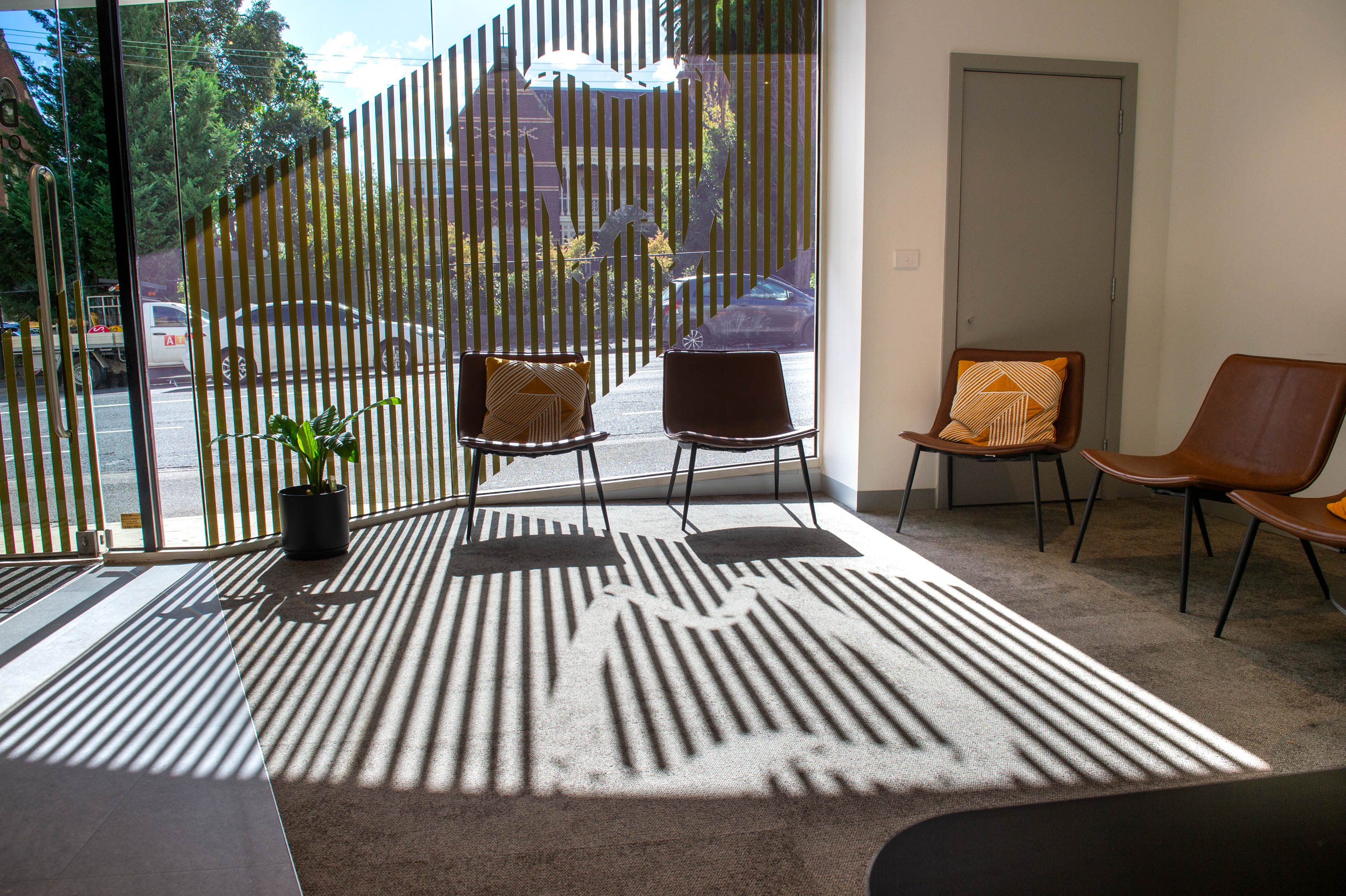
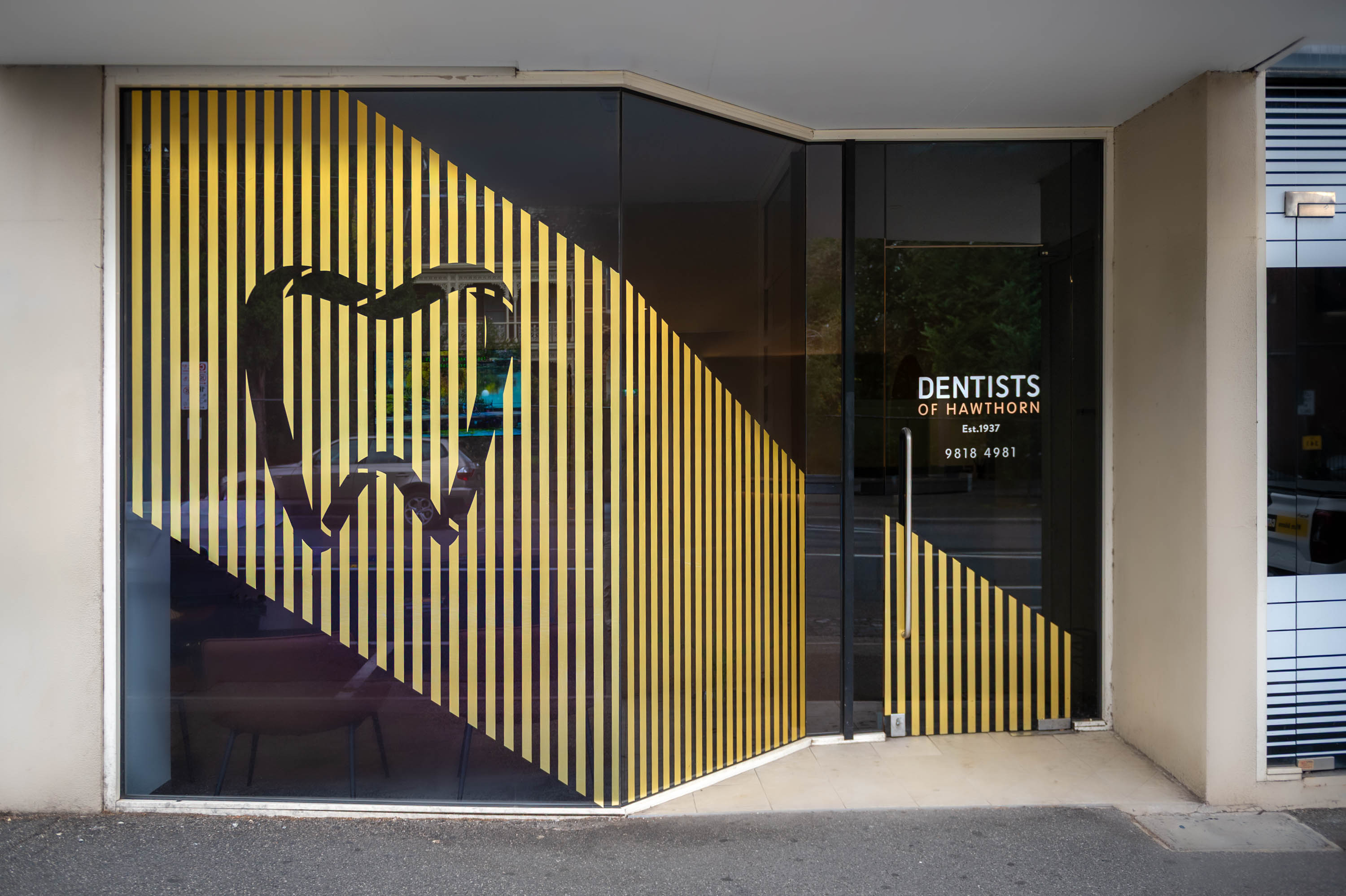
Our clinic was designed with you in mind. From our welcoming reception and cosy waiting area to our modern treatment rooms, we've put thought into every detail to ensure you feel comfortable and at ease throughout your visit. We're proud to call this space our home and we hope you feel that warmth every time you walk through our doors.

About

Splints

A splint, also known as an occlusal splint or nightguard, is a custom-made dental device designed to help alleviate symptoms of teeth grinding (bruxism) or temporomandibular joint (TMJ) disorders. It is typically made of acrylic and fits over either the upper or lower teeth, creating a barrier between the upper and lower jaws.

A photo of a grinding guard on a 3D printed model
Icon of a male grinding

Why might I need

Splints

?

Splints help reduce the effects of clenching or grinding by providing a cushioning effect, promoting muscle relaxation, protecting teeth from wear and damage, and helping to realign the jaw joint for improved comfort and function.

A photo of a person holding her jaw in grimace because of the soreness caused by nightime bruxism or grinding.
A photo of a person holding her jaw joint in grimace because of the soreness caused by nightime bruxism or grinding.
Icon of a male grinding

Different approaches to

Splints

There are different types of splints for difference purposes:

Advancement for sleep apnoea

A mandibular advancement splint (MAS) is a type of oral appliance that is custom-made to fit over the teeth. It works by repositioning the lower jaw slightly forward during sleep, which helps open the airway by preventing airway collapse, and promote better airflow, reducing snoring and improving symptoms of obstructive sleep apnea.

Splint for grinding/clenching

A splint for grinding and clenching, also known as a nightguard, creates a barrier between the upper and lower teeth, absorbing the forces exerted during grinding or clenching. It helps reduce tooth wear, jaw muscle tension, and associated symptoms by promoting a more relaxed jaw position and preventing direct contact between the teeth.


Icon of a male grinding

What is involved for

Splints

The process of fabricating a splint involves:

1

Consult and diagnosis

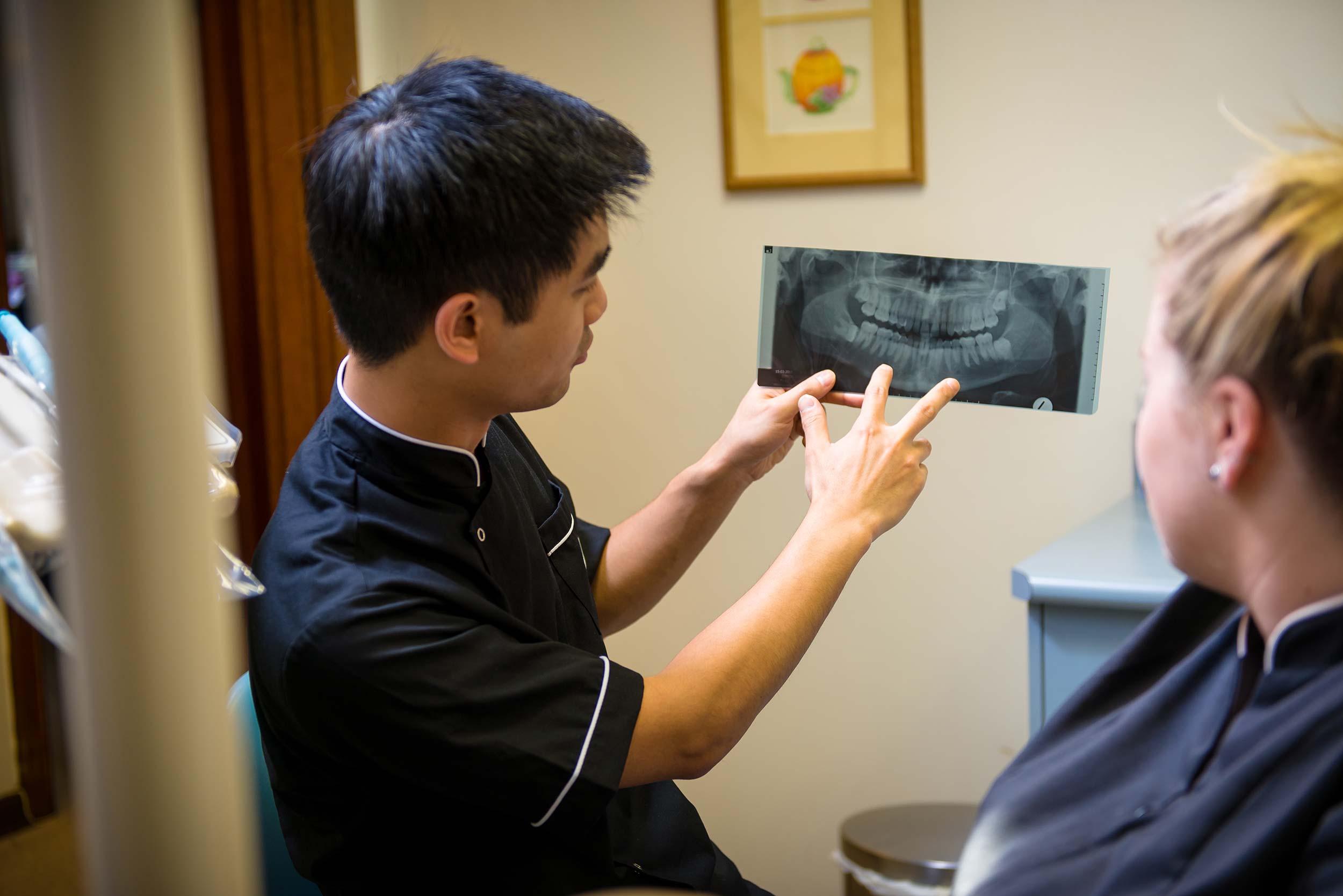
Consultation with your dentist is important to ensure your splint is correctly designed to help with your condition. Splint designs can vary significantly depending on the goals of treatment, such as jaw pain, protection of teeth, or jaw repositioning. If you or your dentist suspect that sleep issues may be a problem, you may be referred for a sleep study to assess for other sleep disorders such as obstructive sleep apnoea.

2

Records

Once you have been assessed for a splint, your dentist will take several records of your teeth for the splint to be manufactured. These include measurements of your jaw, photos and scans of your jaw. These records are sent for your custom splint to be manufactured.

3

Fitting of appliance

When your custom splint is received, your dentist will ensure that it fits comfortably without excessive pressure, checking that your jaws are balanced while wearing your splint, as well as adjusting it to accomodate for your grinding patterns. These adjustments may need to be performed every few months, so it is important to bring your splint to your regular dental visits.

4

Care and maintenance instructions

Your dentist will discuss and demonstrate the correct care and cleaning methods for your splint. If a mandibular advancement splint has been provided, your dentist will also demonstrate how to adjust the appliance at home. These instructions will allow your splint to remain as clean, effective and long lasting as possible.

Photo of a men holding his left jaw with his left hand because of jaw pain.
Icon of a male grinding

How could

Splints

help me?

Wearing a splint can improve your quality of life by reducing symptoms associated with teeth grinding, such as headaches, jaw pain, and tooth sensitivity. It also helps protect your teeth from damage, promotes better sleep, and enhances overall oral health and comfort.

Icon of a male grinding

FAQ's about

Splints

My dog chewed my splint, can I still use it?

Can I use one from the chemist?

What are they made of?

Book an Appointment

Open hours
Monday
8:00am - 5:00pm
Tuesday
8:30am - 7:30pm
Wednesday
9:00am - 5:00pm
Thursday
9:00am - 6:30pm
Friday
7:30am - 5:00pm
Saturday
8:00am - 1:00pm