































Looking for a

Root Canal Therapy

near

Burnley

?

We're the top reviewed Dentist near

Burnley

and are experts in

Root Canal Therapy

. Check out our Google reviews, have a look around our website, and see if you think we'd be a good fit for you and your family?

We are just 1 suburb away from Burnley and only a 10-minute drive.

Give us a call here to discuss any questions you have.

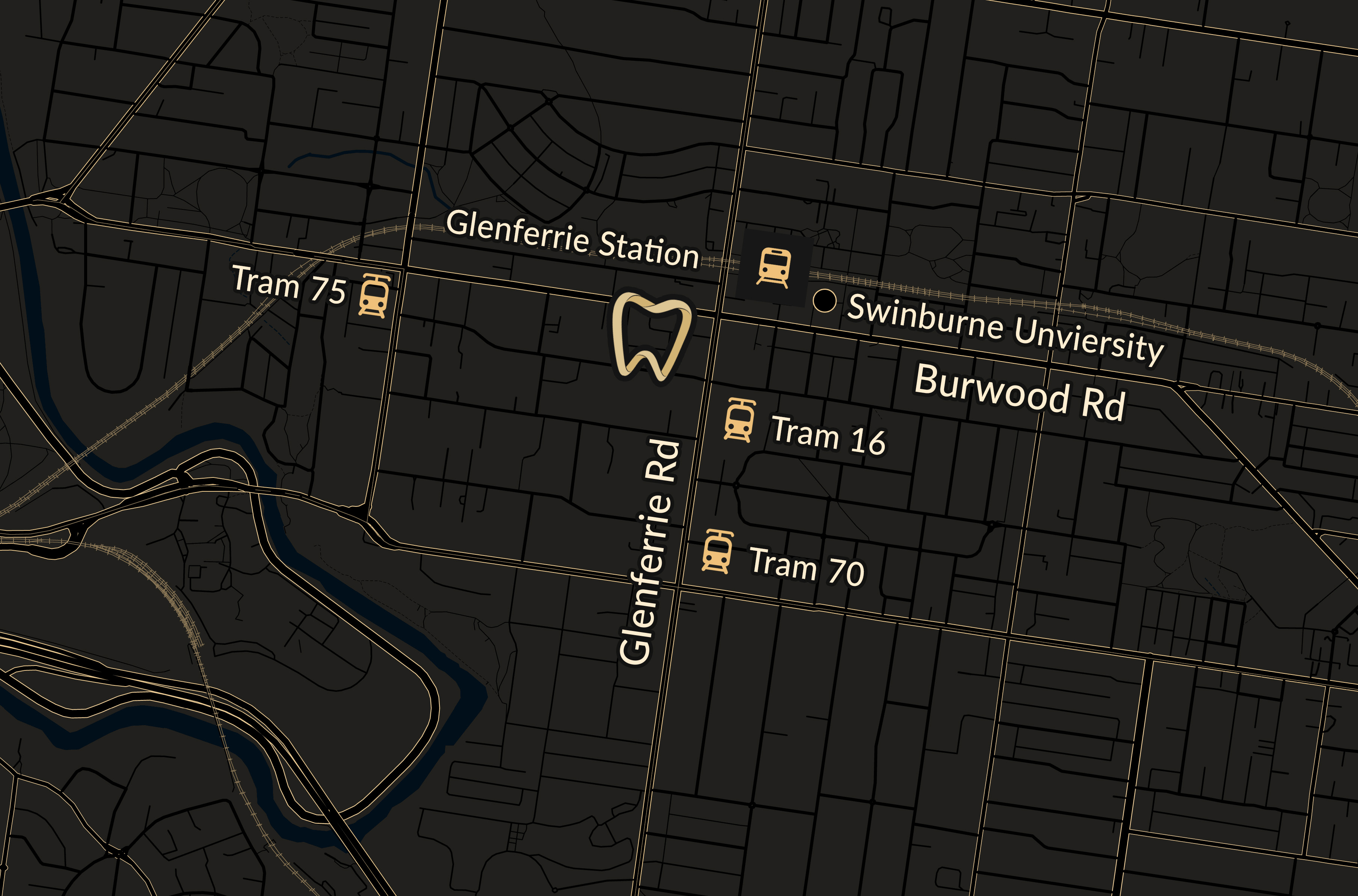
How to get here

To reach us by train, take the Lilydale/Belgrave line at Burnley station. After a short ride of 2 stops, you'll arrive at Glenferrie Train Station, which is just a five-minute walk away.

If you are catching the tram, we are less than a minute walk from the nearest Tram Stop 73 route 16 at the Corner of Glenferrie & Burwood road.

Ample parking in front and surrounding our clinic if you are driving.

Our Clinic

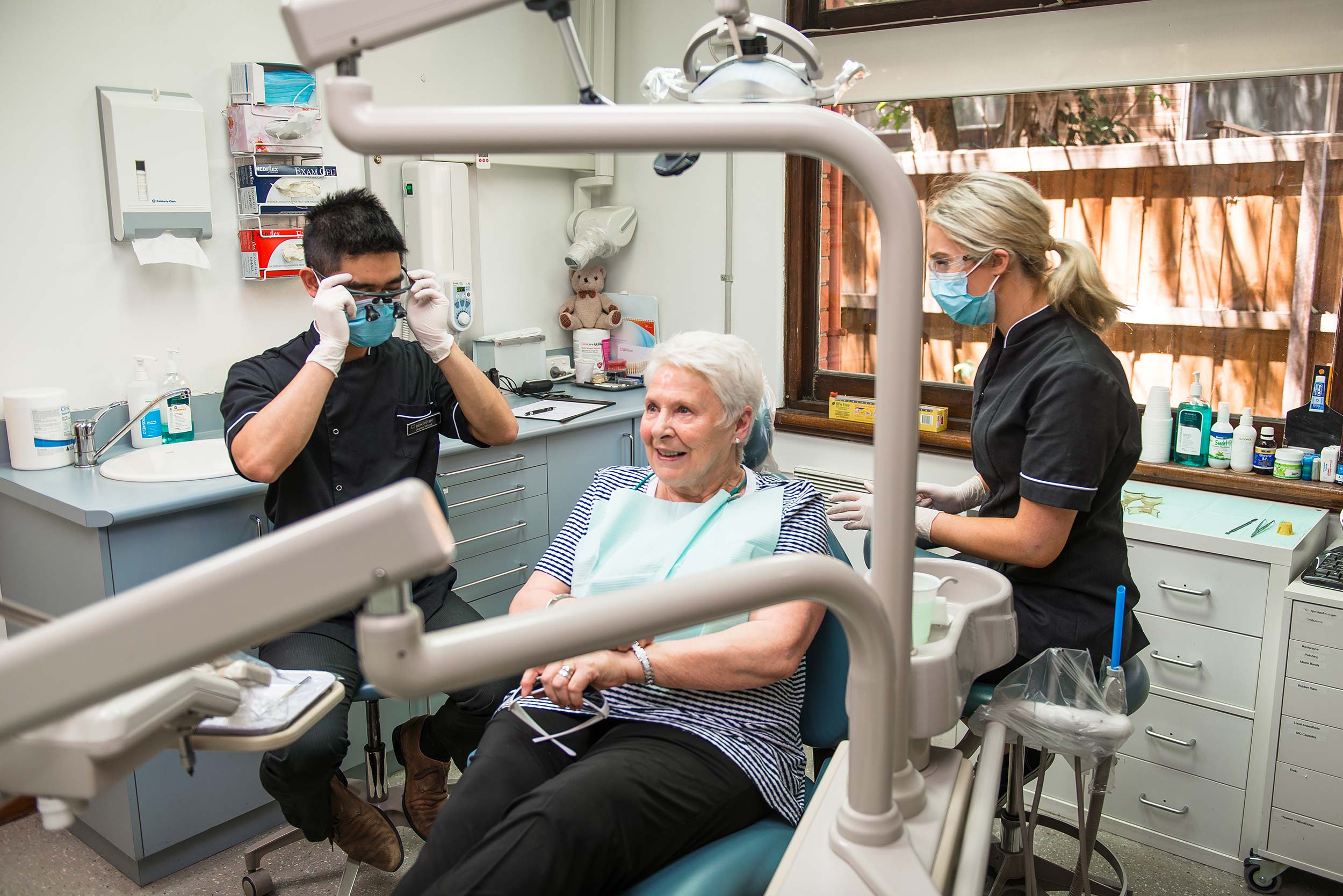
Our clinic was designed with you in mind. From our welcoming reception and cosy waiting area to our modern treatment rooms, we've put thought into every detail to ensure you feel comfortable and at ease throughout your visit. We're proud to call this space our home and we hope you feel that warmth every time you walk through our doors.

About

Root Canal Therapy

Root canal treatment (also known as endodontic treatment) is a dental procedure performed to save a tooth that has been severely damaged or infected. This procedure relieves pain, eliminates infection, and allows the tooth to be preserved and later restored with a dental crown or filling, restoring its function and preventing the need for extraction.

A photo taken of gutta-percha and root canal files that is used for root canal treatment
Tooth icon with a lightning icon next to it

Why might I need

Root Canal Therapy

?

You may need a root canal if you have a severely decayed, infected, or damaged tooth, causing persistent pain, sensitivity to hot or cold, swelling, or a dental abscess. A root canal treatment can save the tooth, alleviate pain, and prevent the spread of infection to surrounding tissues.

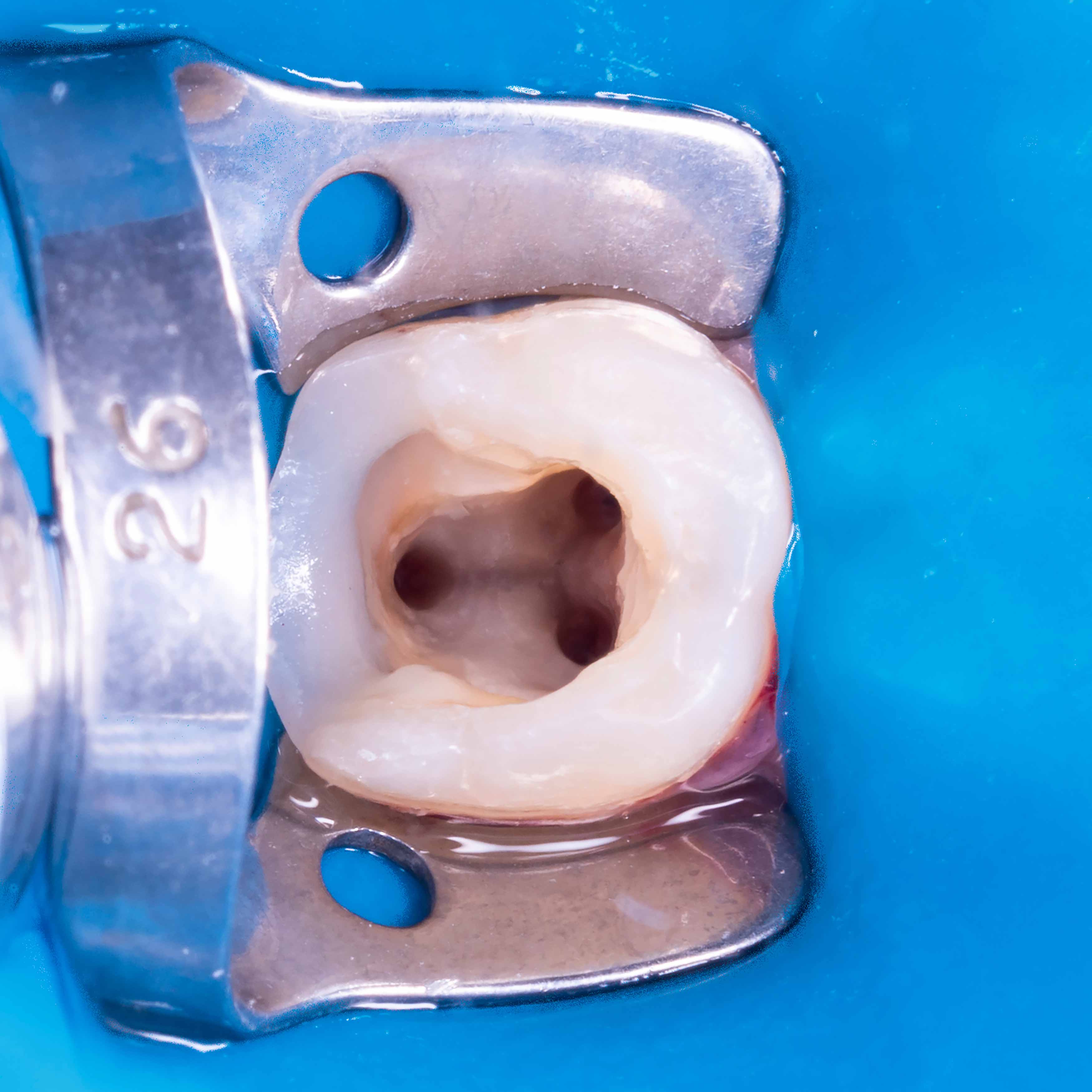
A photo of a lower molar undergoing a root canal treatment (endodontic treatment) with 3 canals cleaned out and using a rubber dam for isolation.
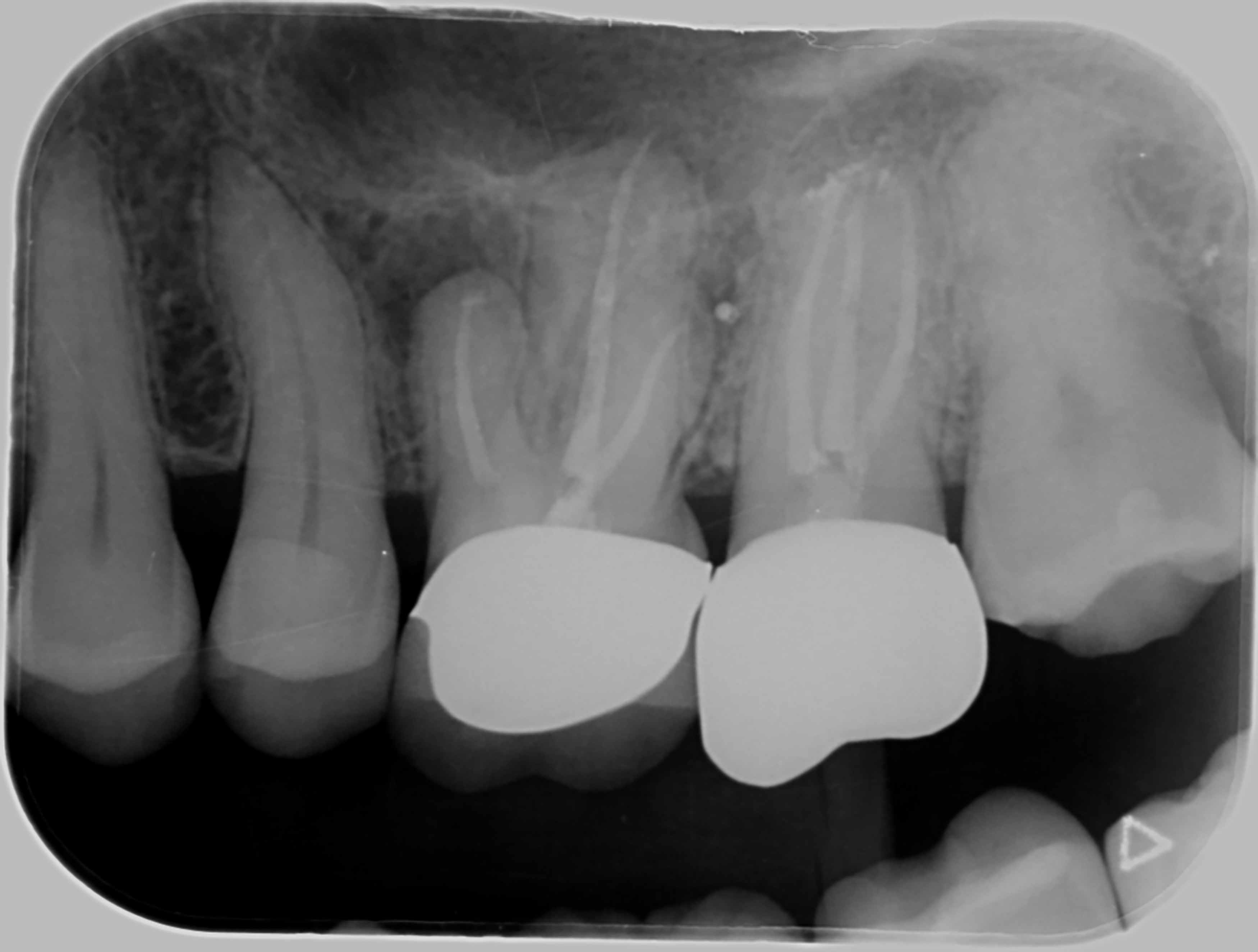
A Xray taken of post-endodontic treatment showing multiple molars that has been obturated and endodontically treated
Tooth icon with a lightning icon next to it

Different approaches to

Root Canal Therapy

There are several approaches and reasons to performing root canal therapy, each tailored to the tooth’s condition and anatomy. Some of the reasons include:

Referral to an Endodontist

Dentists often refer patients to an endodontist when a tooth requires more complex root canal treatment than can typically be managed in a general practice. Endodontists are specialists who focus exclusively on diagnosing tooth pain and performing advanced root canal procedures, especially cases involving unusual anatomy, re-treatments, or persistent infection. Their additional training, specialised equipment, and higher-level expertise help ensure the best possible outcome for saving the tooth.

Prevention of pain/infection

When teeth are heavily filled due to tooth decay spreading close to the nerves and blood vessels within a tooth, there may be a strong chance of tooth infection occurring soon afterwards. In some cases, your dentist may recommend pre-emptively performing root canal treatment to prevent the onset of pain, or to improve the longevity of a tooth.

Treatment of infection

Where teeth become infected (usually the result of severe tooth decay), root canal treatment is performed to disinfect the tooth, allowing the tooth to be maintained without ongoing pain or damage caused by tooth infection.


Tooth icon with a lightning icon next to it

What is involved for

Root Canal Therapy

Root canal therapy is a simple, effective treatment used to save a tooth affected by deep decay or infection. By removing the infected pulp, cleaning the canals, and sealing them, it relieves pain and helps preserve your natural tooth. Modern techniques make the procedure comfortable, predictable, and highly successful.

1

Isolation of tooth

A tooth requiring root canal treatment is isolated from the rest of the mouth through the use of a rubber dam. This prevents saliva (which contains lots of bacteria) from entering the tooth during treatment, as well as keeping the rest of your mouth safe from the chemicals used to disinfect the internal parts of your tooth.

2

Accessing tooth pulp

Once isolated, dental drills are used to create an opening into the inner portions of the tooth where the nerves and blood vessels within the tooth reside. This is commonly the source of a tooth infection.

3

Initial disinfection

The infected dental nerves and blood vessels are removed from the tooth through use of specialised instruments and disinfectant chemicals. This removes the majority of bacterial infection with in a tooth.

4

Cleaning and shaping

The tooth root contains canals which often harbour bacteria and infected tissues. Specialised brushes (or files) are used to clean along the canal of the tooth root to remove bacteria and debris.

5

Disinfection of canals

Further disinfectant solutions and antibacterial dressings are placed within the tooth to remove as much of the bacteria as possible. These dressings are sometimes left for several weeks to allow them to take full effect and reduce the chance of infections returning within the tooth.

6

Filling and sealing

Once cleaned and disinfected, the canals are filled with a biocompatible material (known as obturation) to prevent reinfection of the tooth.

7

Restoring the tooth

Once the canals are cleaned and filled, the tooth’s external structure are restored with a filling or dental crown to return adequate strength and protection for the tooth.

Photo of a man holding his lower right jaw because of a tooth ache
Tooth icon with a lightning icon next to it

How could

Root Canal Therapy

help me?

A root canal treatment can provide several benefits for your oral health and overall well-being. This treatment can relieve pain, remove infection, and save your natural tooth. By preserving the tooth, it maintains your ability to bite and chew while preventing bacteria from spreading to surrounding tissues. This helps avoid extractions and the costs or complications of replacement options, supporting long-term oral health.

Tooth icon with a lightning icon next to it

FAQ's about

Root Canal Therapy

Will I need antibiotics?

Do I need to see a specialist?

Will root canal treatment hurt?

Book an Appointment

Open hours
Monday
8:00am - 5:00pm
Tuesday
8:30am - 7:30pm
Wednesday
9:00am - 5:00pm
Thursday
9:00am - 6:30pm
Friday
7:30am - 5:00pm
Saturday
8:00am - 1:00pm