
















Looking for a

Orthodontic Therapy

near

Kooyong

?

We're the top reviewed Dentist near

Kooyong

and are experts in

Orthodontic Therapies

. Check out our Google reviews, have a look around our website, and see if you think we'd be a good fit for you and your family?

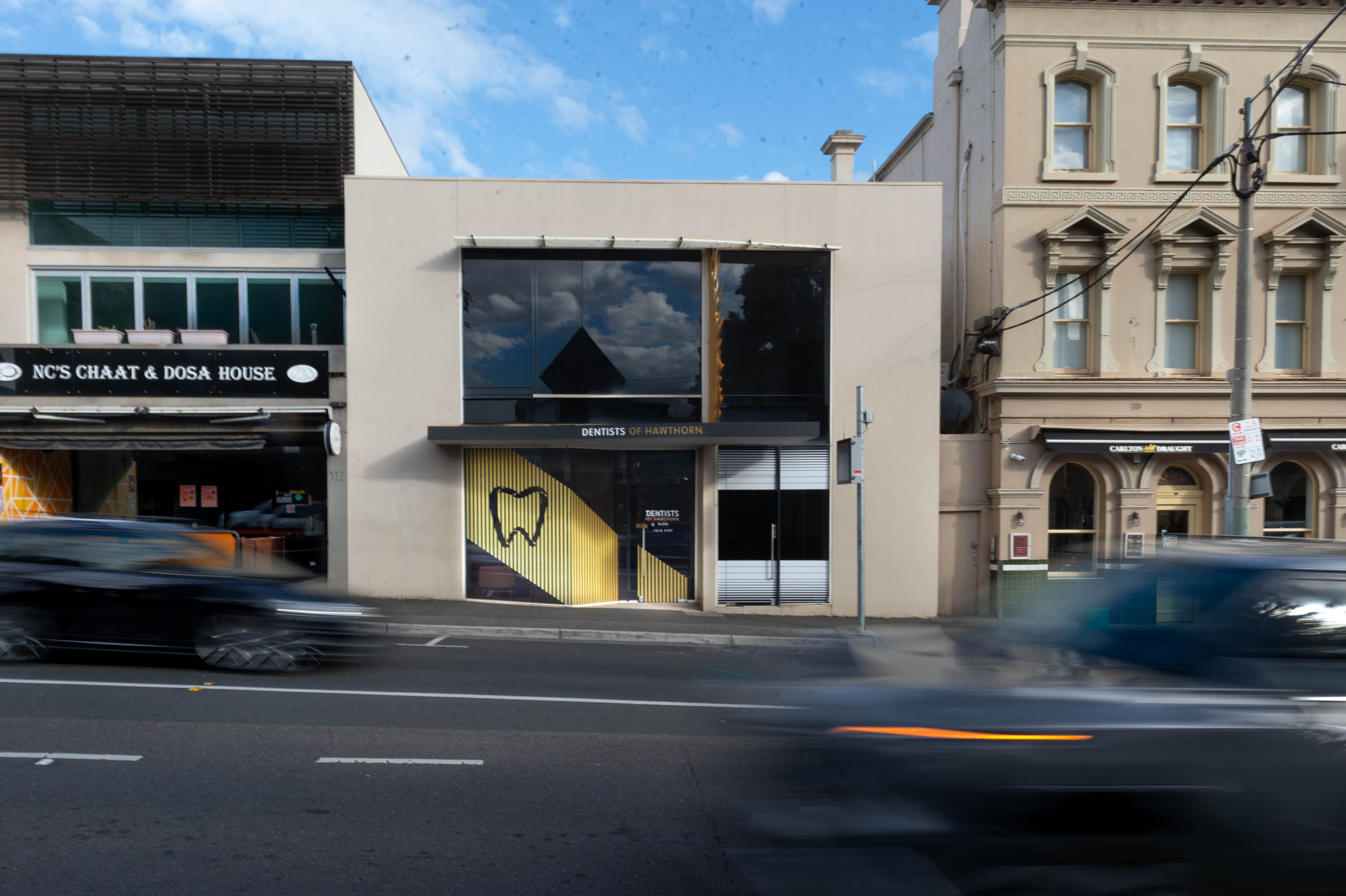
We are 1 suburb away from Kooyong and only a 5 min drive

Give us a call here to discuss any questions you have.

How to get here

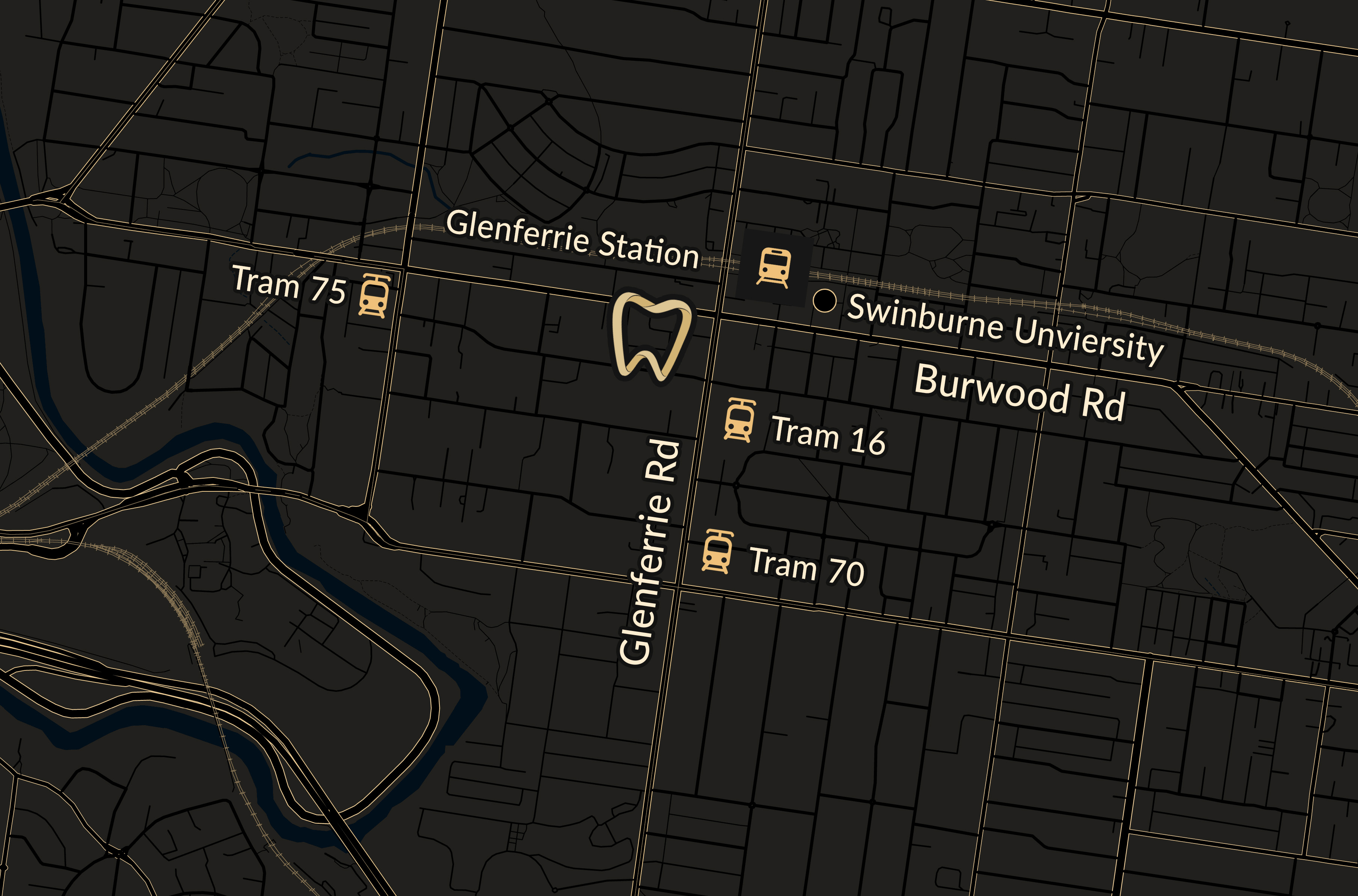
To reach us by train, take the Glen Waverley city-bound to Burnley, then transfer to the Alamein or Lilydale/Belgrave line. After a short ride of 2 stops, we are just a five-minute walk from Glenferrie Train Station.

If you are catching the tram, we are less than a minute walk from the nearest Tram Stop 73 route 16 at the Corner of Glenferrie & Burwood road.

Ample parking in front and surrounding our clinic if you are driving.

Our Clinic

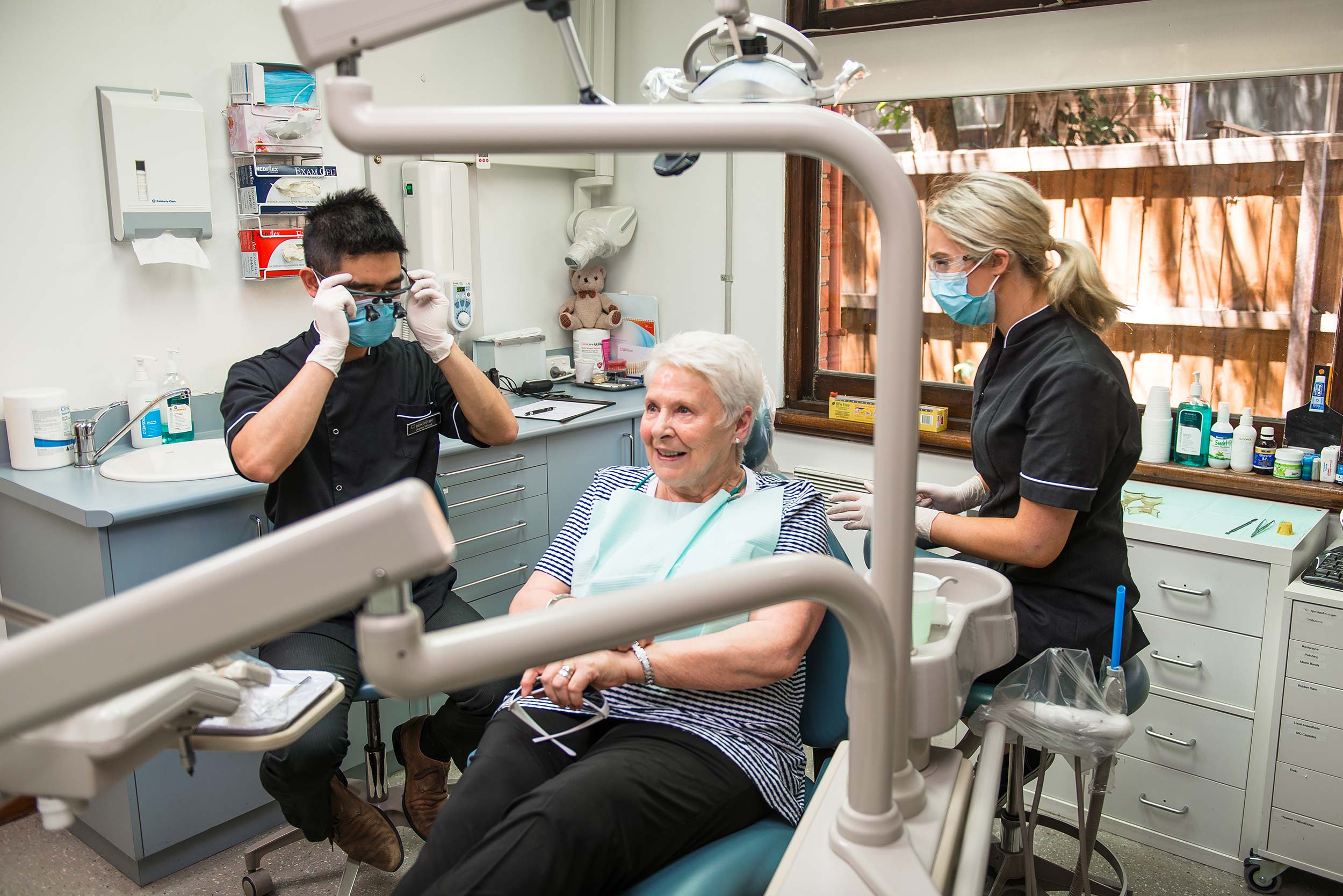
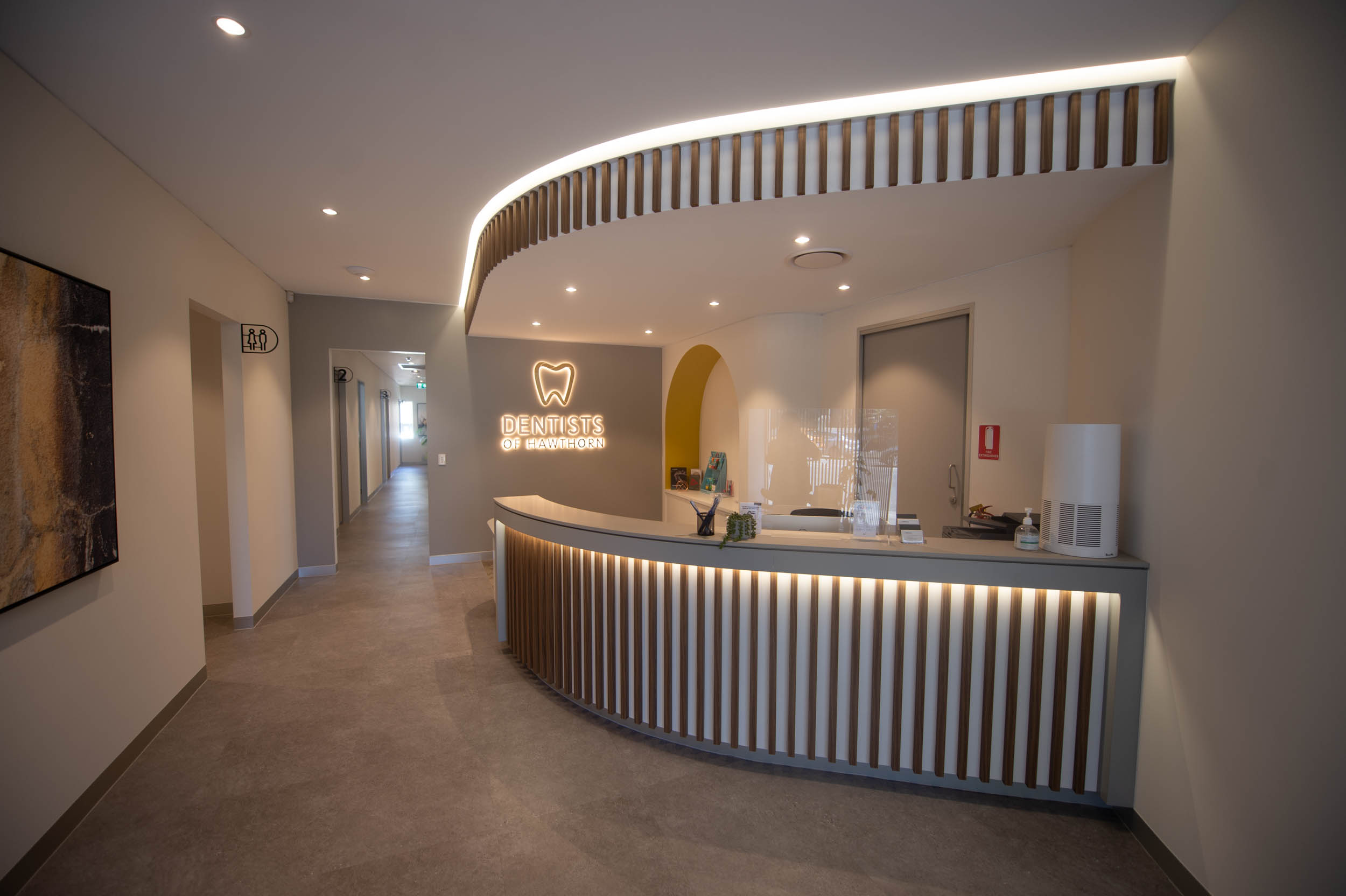
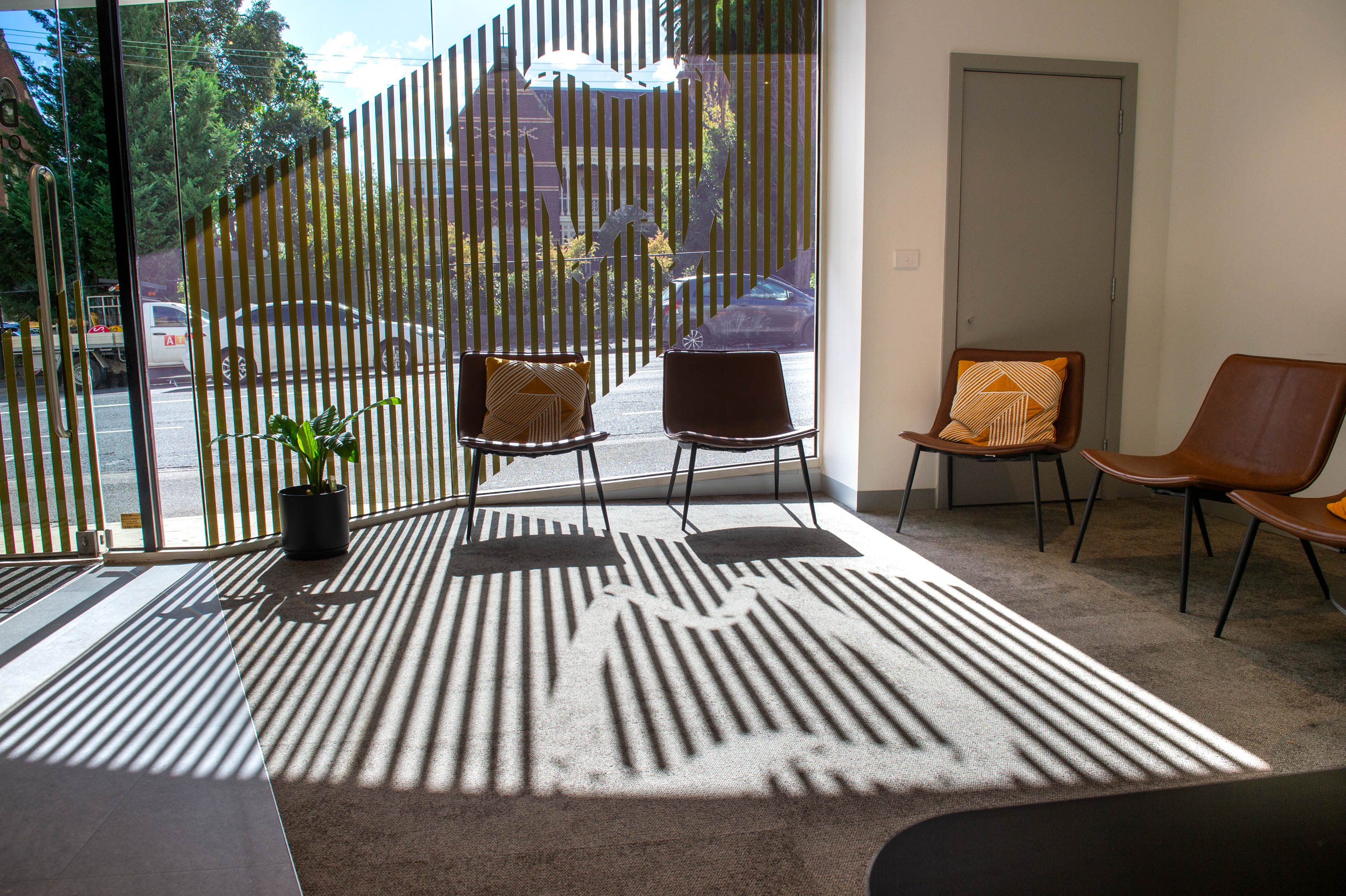
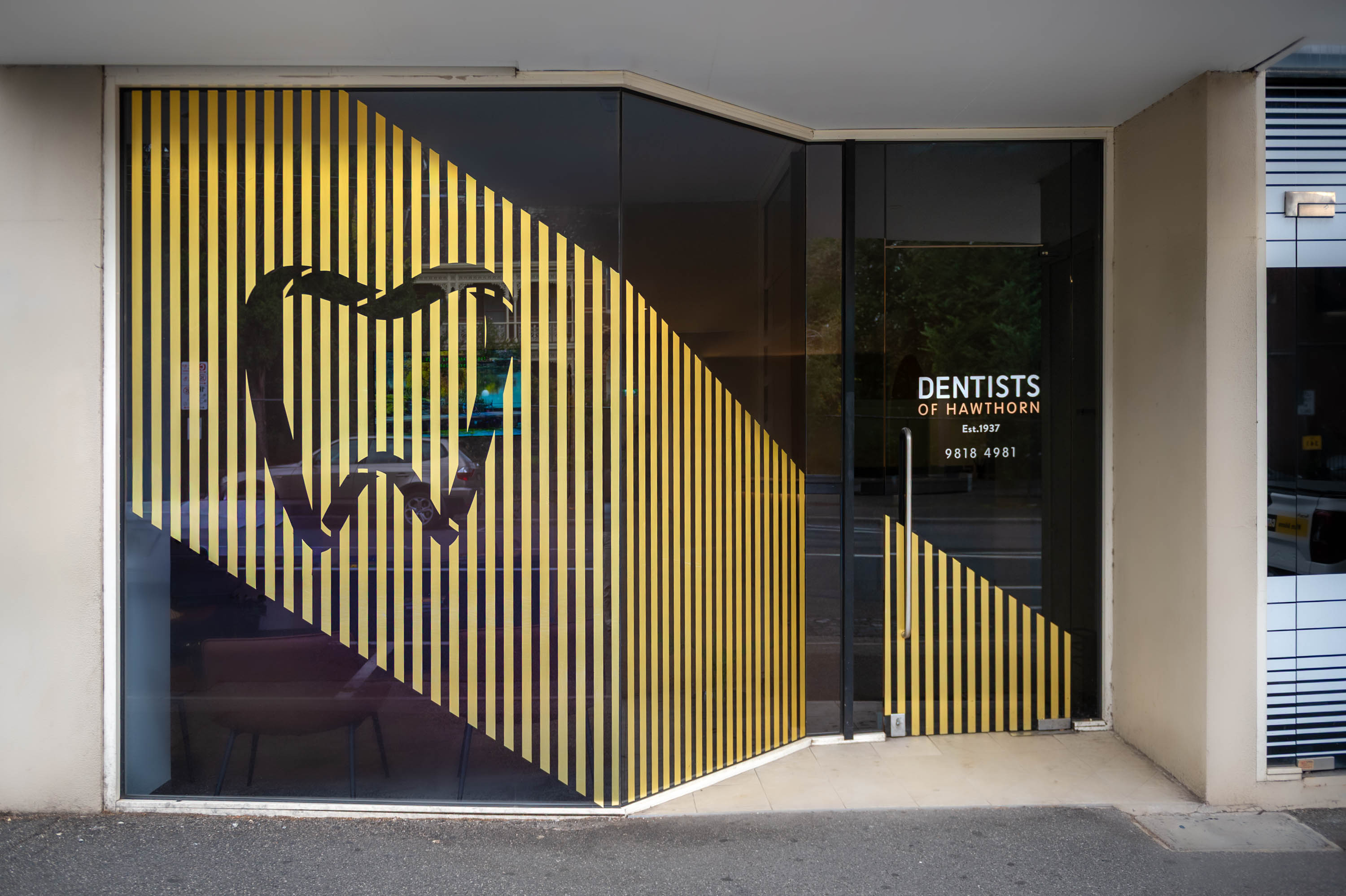
Our clinic was designed with you in mind. From our welcoming reception and cosy waiting area to our modern treatment rooms, we've put thought into every detail to ensure you feel comfortable and at ease throughout your visit. We're proud to call this space our home and we hope you feel that warmth every time you walk through our doors.

About

Orthodontic Therapies

Orthodontics is the field of dentistry involving the moving, rearrangement and straightening of teeth. Orthodontic treatment is performed by either a dentist who has undertaken further training, or by a specialist orthodontist who has undertaken post-graduate specialty training.

Orthodontics is a rapidly progressing field of dentistry where technology is helping to make treatment more comfortable and convenient, and results more predictable that what was traditionally possible.

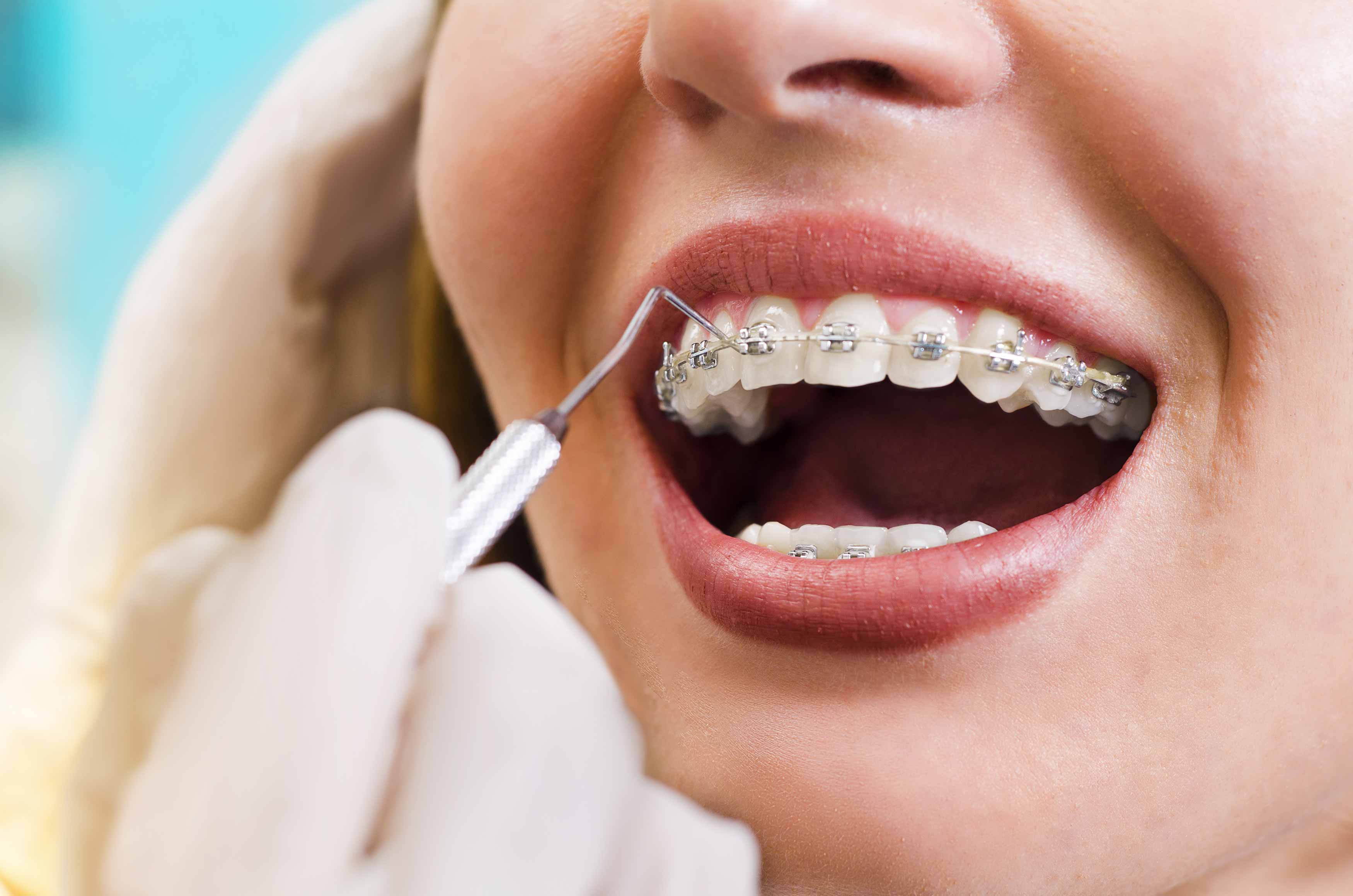
a photo of someone who has braces placed on her upper teeth
Tooth icon with an orthodontic bracket attached

Why might I need

Orthodontic Therapies

?

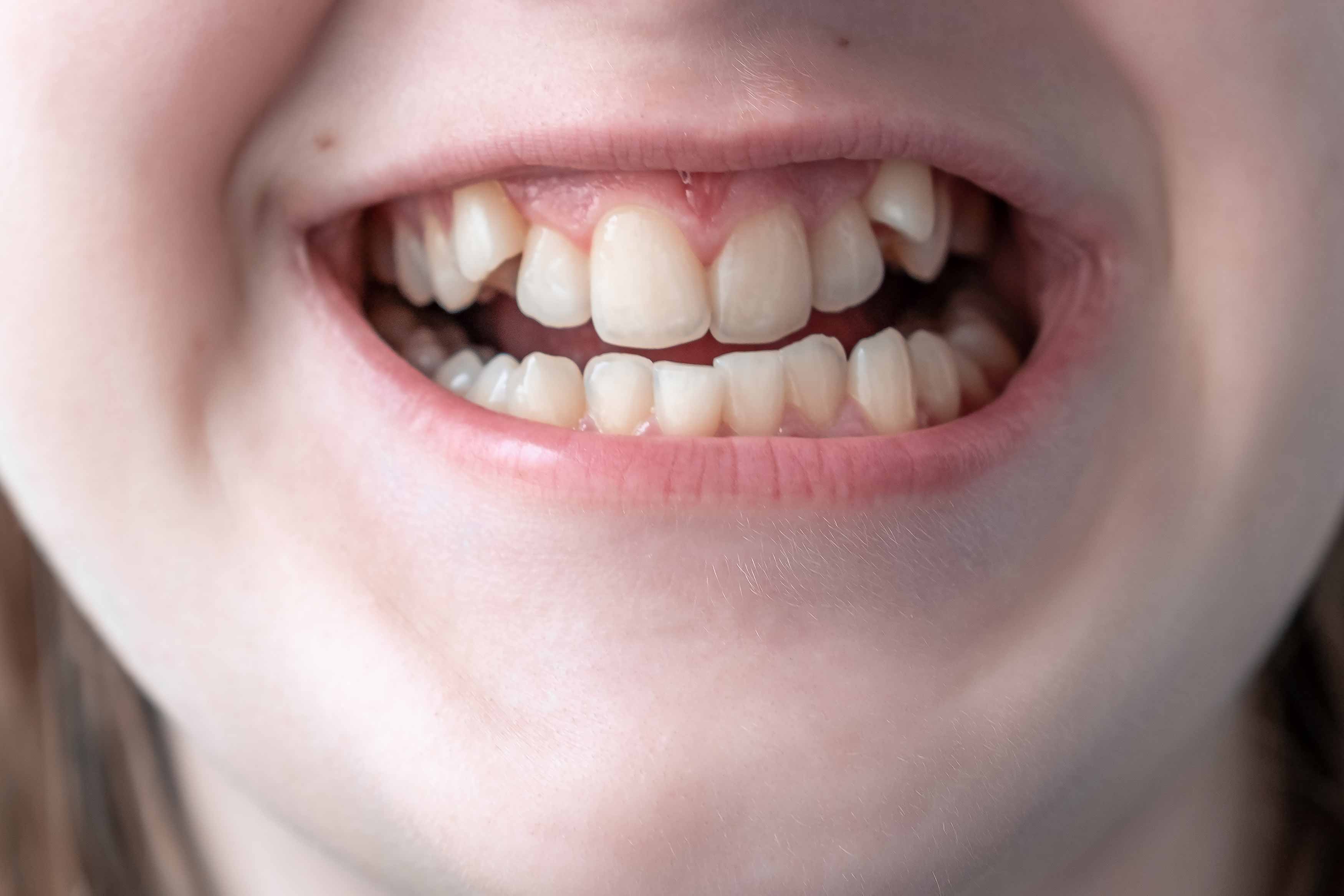
For many of us, our teeth are commonly grow into crowded positions (or less frequently, lead to gaps between teeth) where they can cause multiple health issues - these are called malocclusions. These can range from difficulty in teeth cleaning, forming visually unappealing smiles, difficulty speaking, eating or chewing, lead to unbalanced wear and tear on teeth, or even cause pain or long term damage to our teeth or jaws. In some cases, early treatment of malocclusions may help you to avoid future issues with your dental health, as well as improve the aesthetics of your smile!

A photo of a female smiling and showering her orthodontic braces on her teeth
A photo of a female putting her upper clear aligners on her top teeth
Tooth icon with an orthodontic bracket attached

Different approaches to

Orthodontic Therapies

Orthodontics is sometimes like planning a trip - there are often many ways to get to your destination, however how you get there will depend on many different factors. There is generally not one ‘best’ way of orthodontic treatment, but instead the dentist or orthodontist’s role will be to advise you on which options are most suited to your goals. These may involve factors such as the initial position of your teeth and jaws, how long treatment may take, the effect of treatment on your lifestyle and life stage, costs and many other considerations!

Early intervention (Interceptive) orthodontics

Braces, clear aligners or other appliances used for a short period of time (usually 9-12 months) in children to help correct problems which may affect development of growing teeth or jaws. This helps to reduce the likelihood of more complicated orthodontic or surgical procedures being required in the future.

Orthognathic surgical correction

Surgery on your upper and lower jaws used in conjunction with clear aligners or braces to correct more significant issues with teeth and jaws. This is performed by a team involving your dentist, orthodontist and maxillofacial surgeon.

Fixed appliances (braces & functional appliances)

Braces and special orthodontic wires which place gentle forces on your teeth to move them into a corrected position. These are adjusted by your dentist or orthodontist every few weeks to allow for safe and gentle movements.

Clear aligners

A series of clear plastic trays (known as aligners) which are changed on a weekly to fortnightly schedule which your teeth adapt to. Special attachments are placed on your teeth and your teeth are sometimes reshaped by your dentist to allow for an optimal and safe result.


Tooth icon with an orthodontic bracket attached

What is involved for

Orthodontic Therapies

Whether your orthodontic treatment is performed by your general dentist or specialist orthodontist, each step of your orthodontic journey is critical to ensure you have a great looking, natural and long lasting smile!

1

Record taking

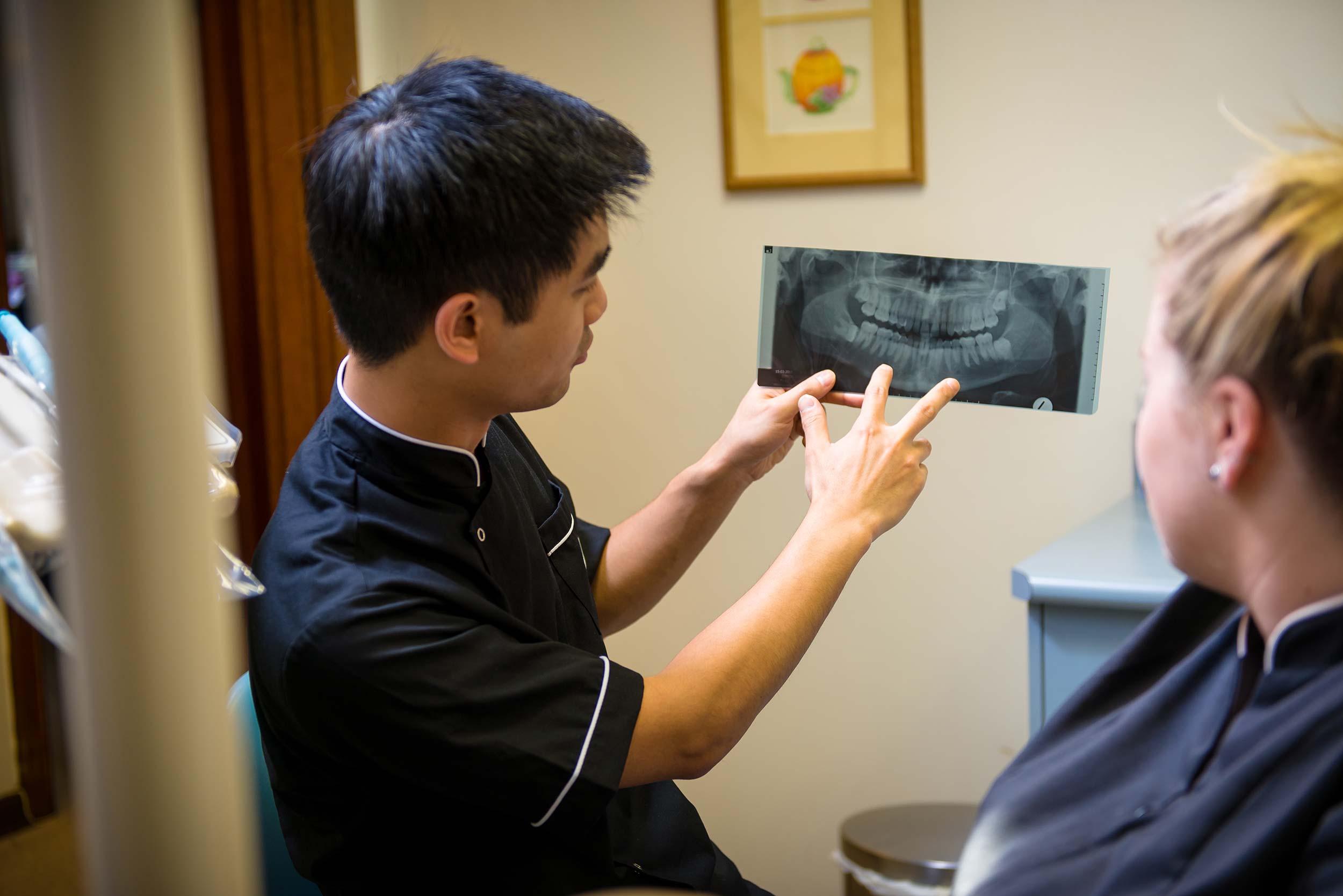
The initial diagnosis and treatment planning phase is critical in allowing your dentist or orthodontist to determine the best approach for you. This will generally involve a full dental examination to thoroughly assess your teeth, records of your teeth (including a set of models of your teeth, a series of photographs, and several x-rays).

2

Diagnosis and Treatment Planning

Your dentist or orthodontist will assess and review all the records taken to assess your particular case. A treatment plan is formulated which outlines all existing problems, the steps required to achieve your goals, the time required for treatment, and a breakdown of costs. Your dentist or orthodontist will discuss the suitability of each approach with you as there are many factors involved in the decision making process for orthodontic treatment.

3

Commence orthodontic treatment

Orthodontic treatment is generally performed either by the use of fixed or removable appliances, including braces, clear aligners (such as Invisalign), or other methods.

4

Commence orthodontic treatment

Fixed appliances generally involve braces (or brackets) being semi-permanently attached to your teeth throughout treatment, with an orthodontic wire being placed into each bracket to place specific forces which lead to teeth moving. These brackets can be designed to be positioned on either the outside (the more traditional method) or inside (known as lingual braces) of your teeth. These wires and brackets are reviewed and adjusted every few weeks to ensure the treatment is progressing.

5

Commence orthodontic treatment

Removable appliances such as Invisalign (or other clear aligners) involve the use of plastic aligners which sit over your teeth for around 22 hours a day. Every week or so, you will be issued a new aligner which is slightly different to the previous one and will lead to your teeth moving gently towards their final positions. Your teeth are reviewed every few weeks to ensure treatment is progressing in step with the treatment simulations.

6

Retainers

Once your orthodontic treatment is completed, you will be provided retainers at the completion of treatment. Following your orthodontic treatment, fixed or removable retainers are placed on your teeth to ensure that the final result is maintained for as long as possible.

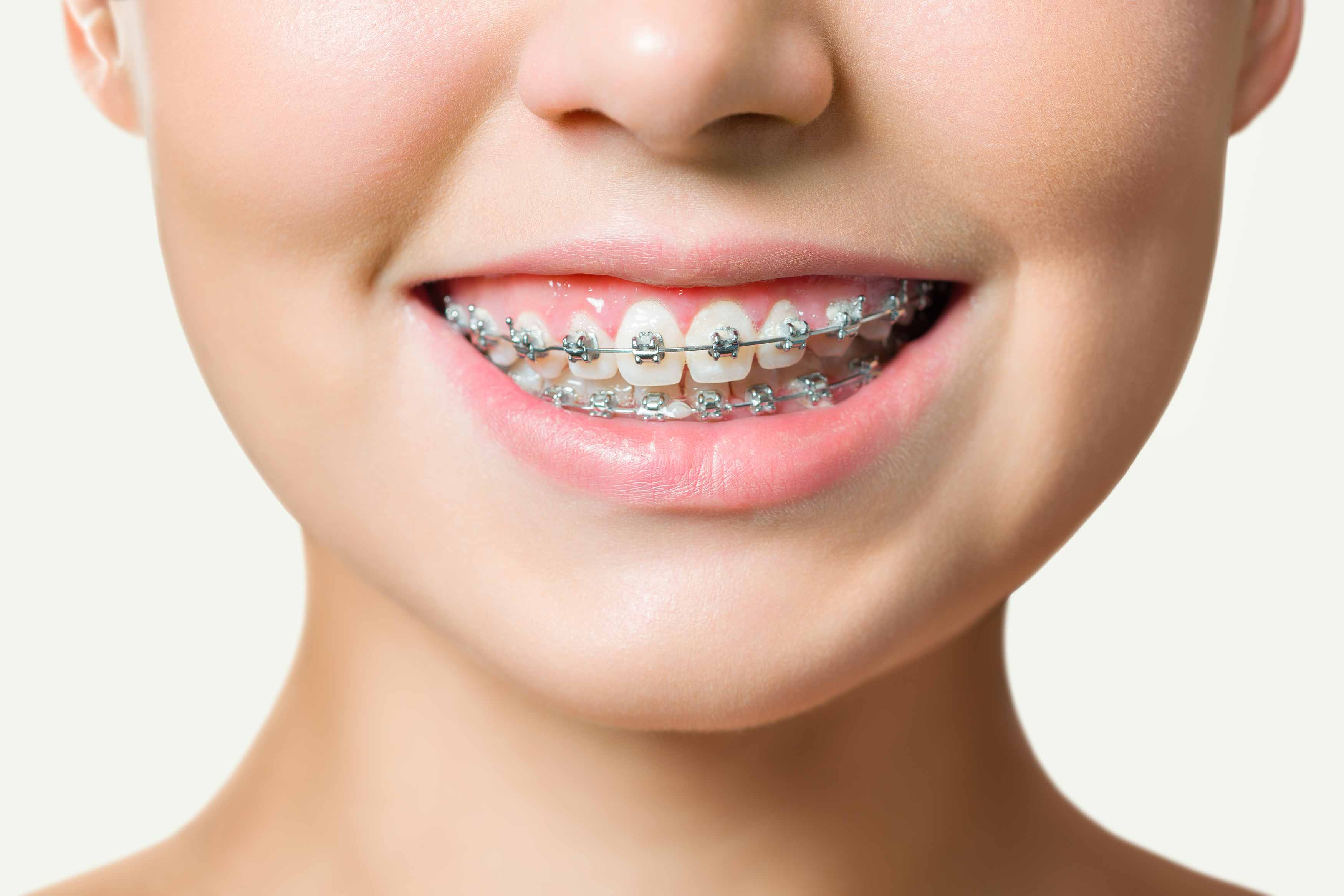
Photo of a young girl who is nearly finished with braces smiling broadly.
Tooth icon with an orthodontic bracket attached

How could

Orthodontic Therapies

help me?

Orthodontic treatment can significantly improve the visual appeal of a person’s smile, allow for easier cleaning and maintenance of their teeth, and potentially reduce the impact of wear and tear on their teeth and jaws. In many of our patient’s cases, we find that orthodontic treatment can help to reduce the amount of dental treatment and maintenance they require over their lifetimes by preventing significant irreversible damage to teeth.

Tooth icon with an orthodontic bracket attached

FAQ's about

Orthodontic Therapies

Do direct-to-consumer orthodontic aligners work?

Does orthodontic treatment work for teeth with crowns, veneers or bondings?

Is orthodontic treatment painful?

How long does orthodontic treatment take?

Book an Appointment

Open hours
Monday
8:00am - 5:00pm
Tuesday
8:30am - 7:30pm
Wednesday
9:00am - 5:00pm
Thursday
9:00am - 6:30pm
Friday
7:30am - 5:00pm
Saturday
8:00am - 1:00pm