
















































Different approaches to
Orthodontic Therapies
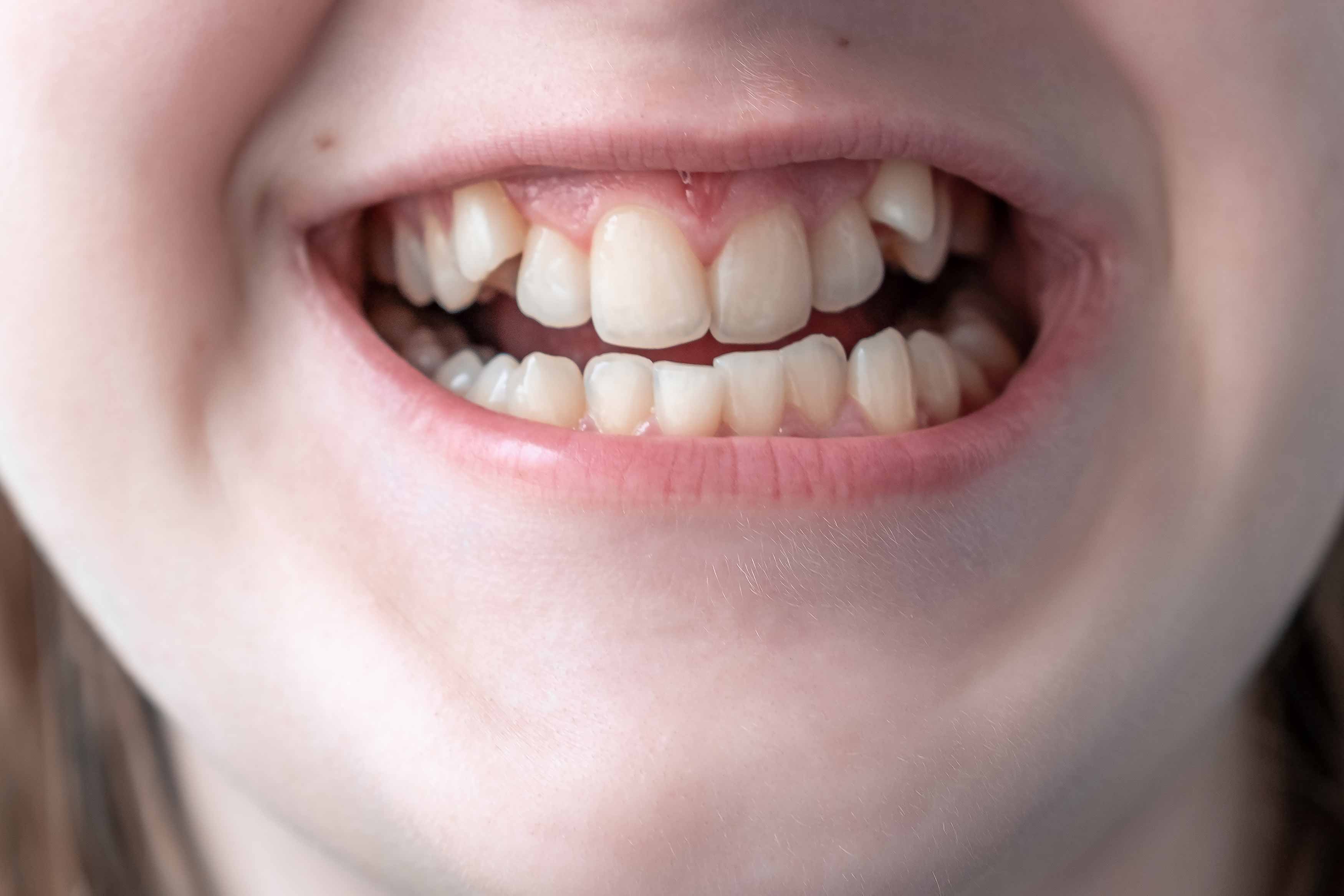
Orthodontics is sometimes like planning a trip - there are often many ways to get to your destination, however how you get there will depend on many different factors. There is generally not one ‘best’ way of orthodontic treatment, but instead the dentist or orthodontist’s role will be to advise you on which options are most suited to your goals. These may involve factors such as the initial position of your teeth and jaws, how long treatment may take, the effect of treatment on your lifestyle and life stage, costs and many other considerations!
Early intervention (Interceptive) orthodontics
Braces, clear aligners or other appliances used for a short period of time (usually 9-12 months) in children to help correct problems which may affect development of growing teeth or jaws. This helps to reduce the likelihood of more complicated orthodontic or surgical procedures being required in the future.
Orthognathic surgical correction
Surgery on your upper and lower jaws used in conjunction with clear aligners or braces to correct more significant issues with teeth and jaws. This is performed by a team involving your dentist, orthodontist and maxillofacial surgeon.
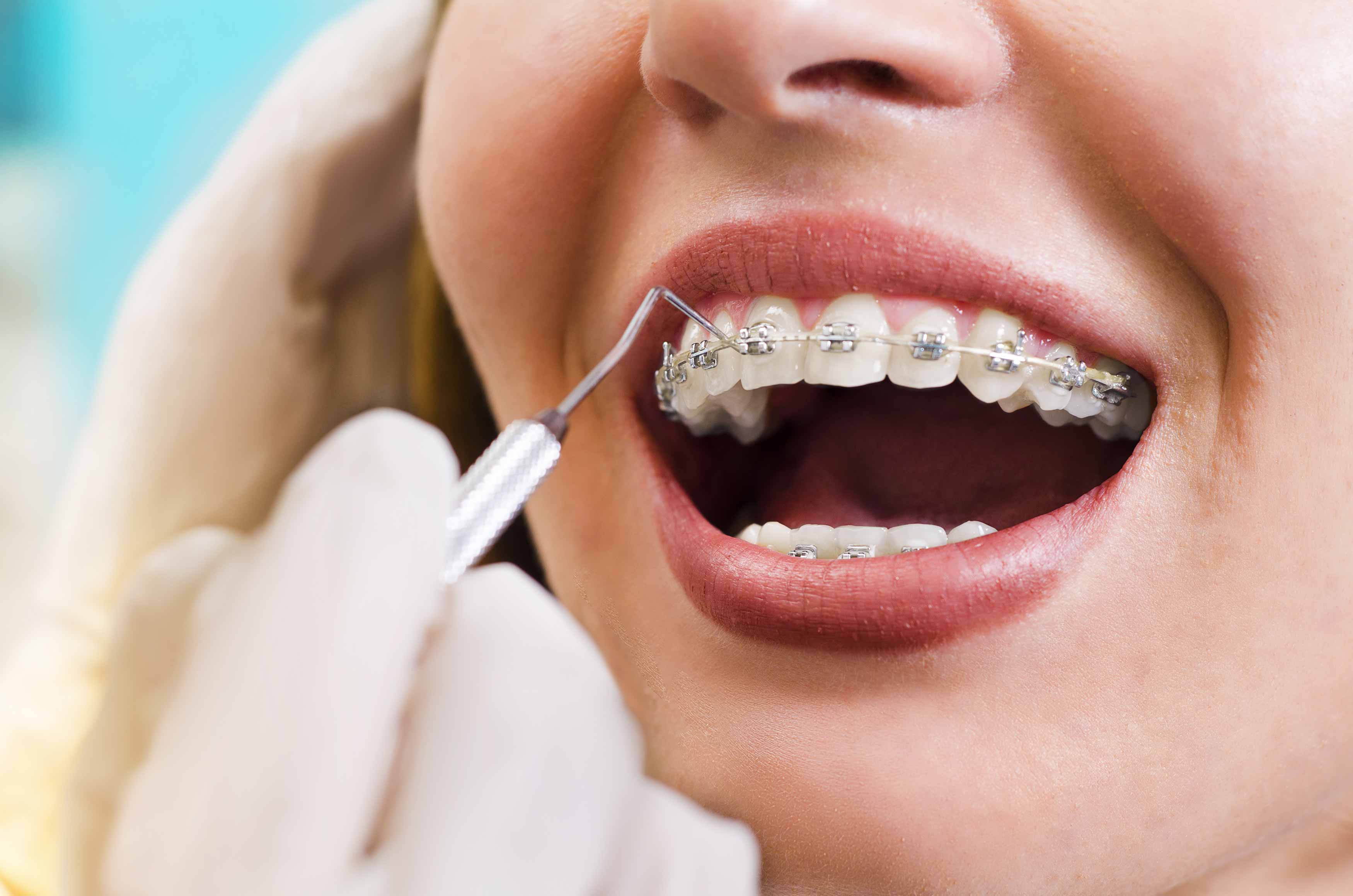
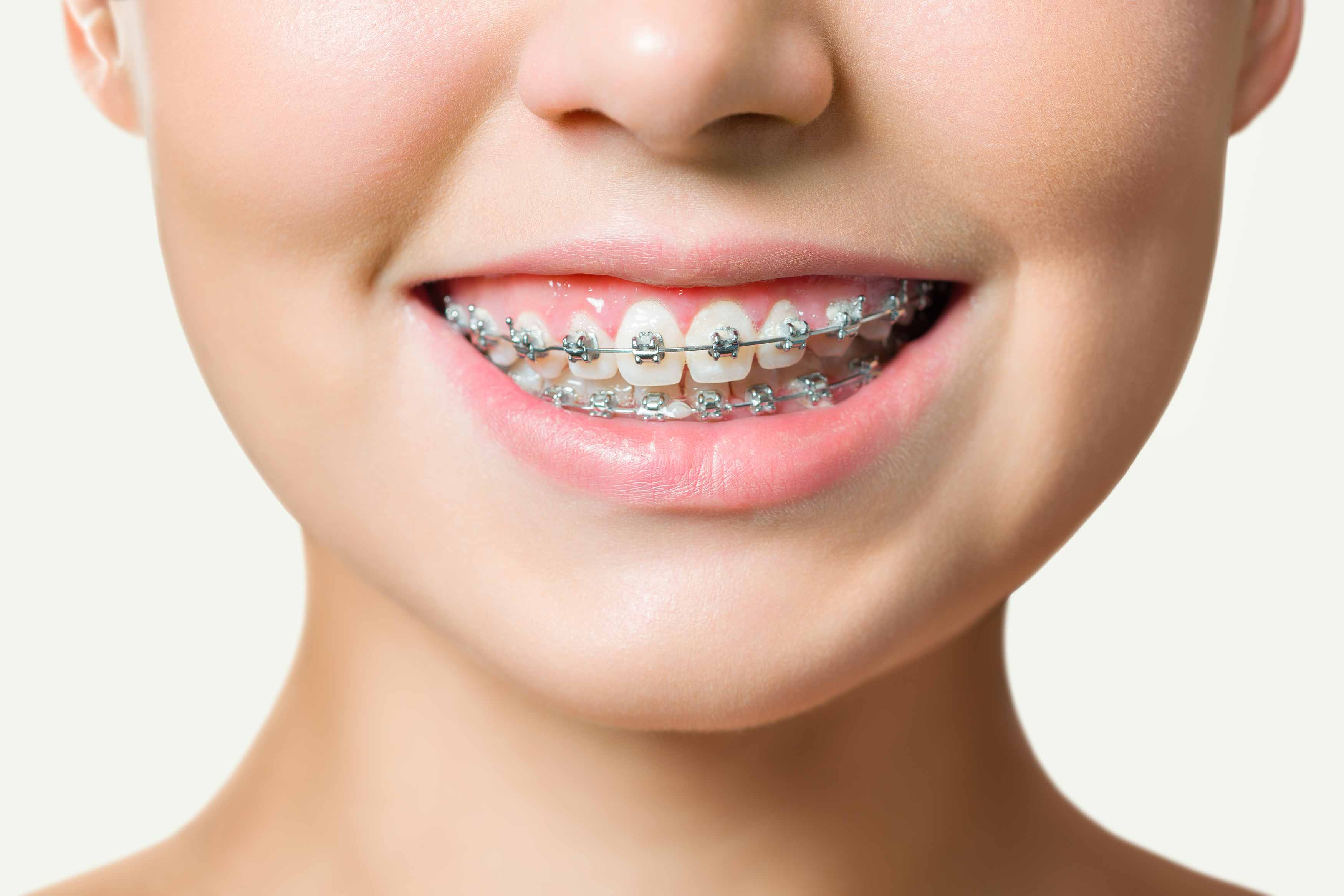
Fixed appliances (braces & functional appliances)
Braces and special orthodontic wires which place gentle forces on your teeth to move them into a corrected position. These are adjusted by your dentist or orthodontist every few weeks to allow for safe and gentle movements.
Clear aligners
A series of clear plastic trays (known as aligners) which are changed on a weekly to fortnightly schedule which your teeth adapt to. Special attachments are placed on your teeth and your teeth are sometimes reshaped by your dentist to allow for an optimal and safe result.