




















Looking for a

Oral Cancer

near

Ashburton

?

We're the top reviewed Dentist near

Ashburton

and are experts in

Oral Cancer Checks

. Check out our Google reviews, have a look around our website, and see if you think we'd be a good fit for you and your family?

We are just a few suburbs away from Ashburton

Give us a call here to discuss any questions you have.

How to get here

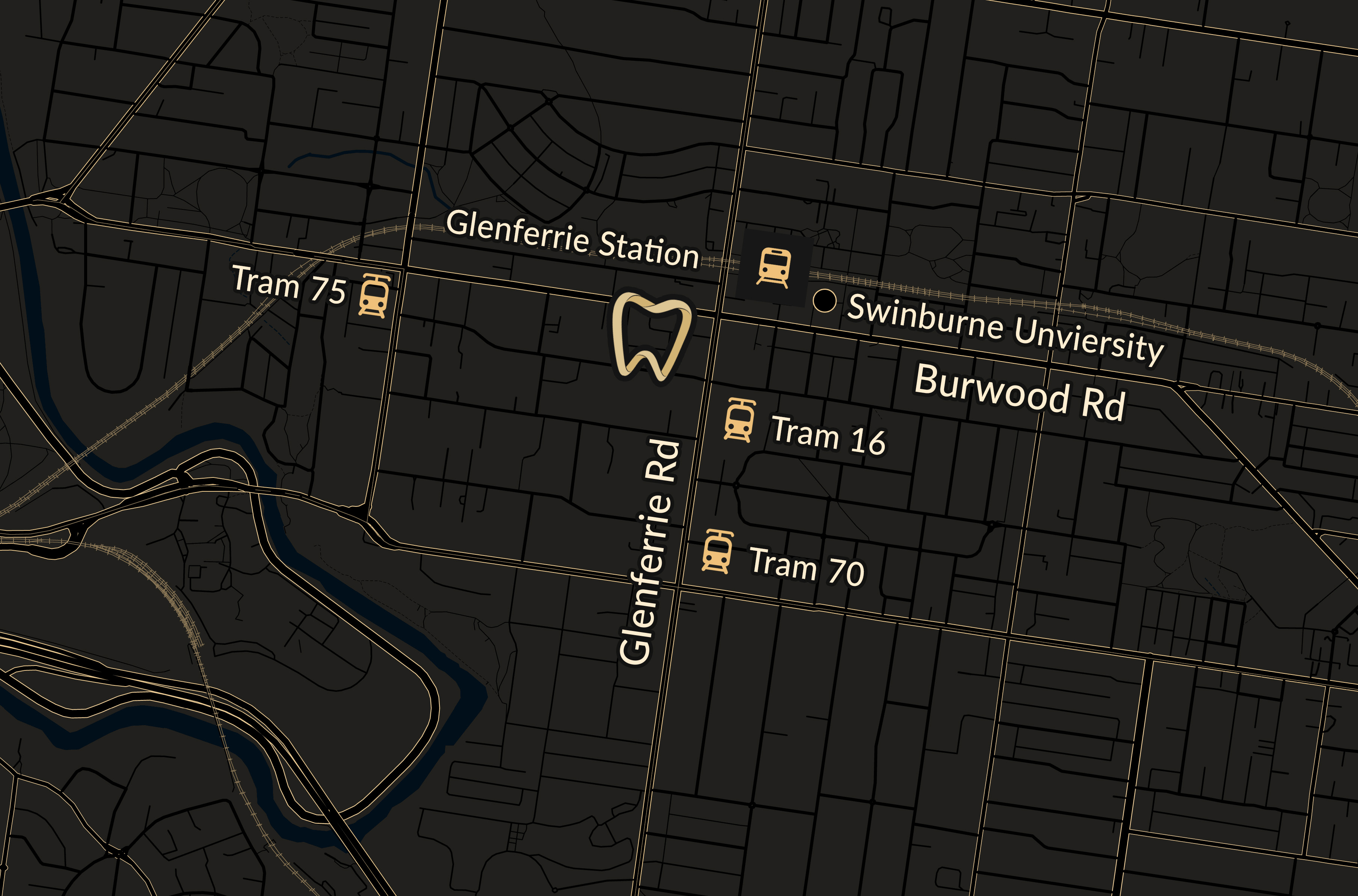
To reach us by train, catch the Alamein Line city-bound and transfer to the Lilydale/Belgrave Line at Richmond Station. After a short ride of three stops, you'll arrive at Glenferrie Station, which is just a five-minute walk away.

If you are catching the tram, we are less than a minute walk from the nearest Tram Stop 73 route 16 at the Corner of Glenferrie & Burwood road.

Ample parking in front and surrounding our clinic if you are driving.

Our Clinic

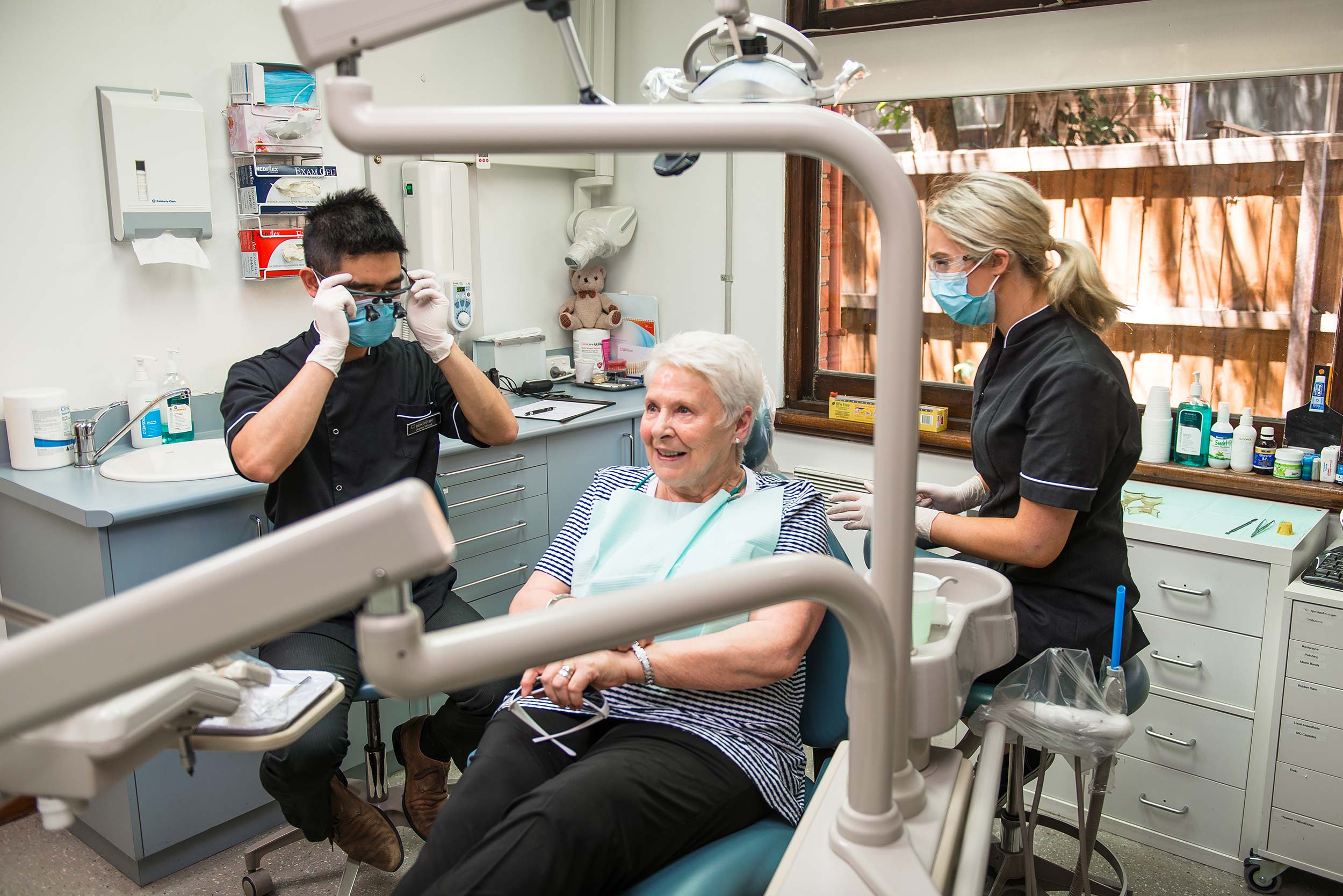
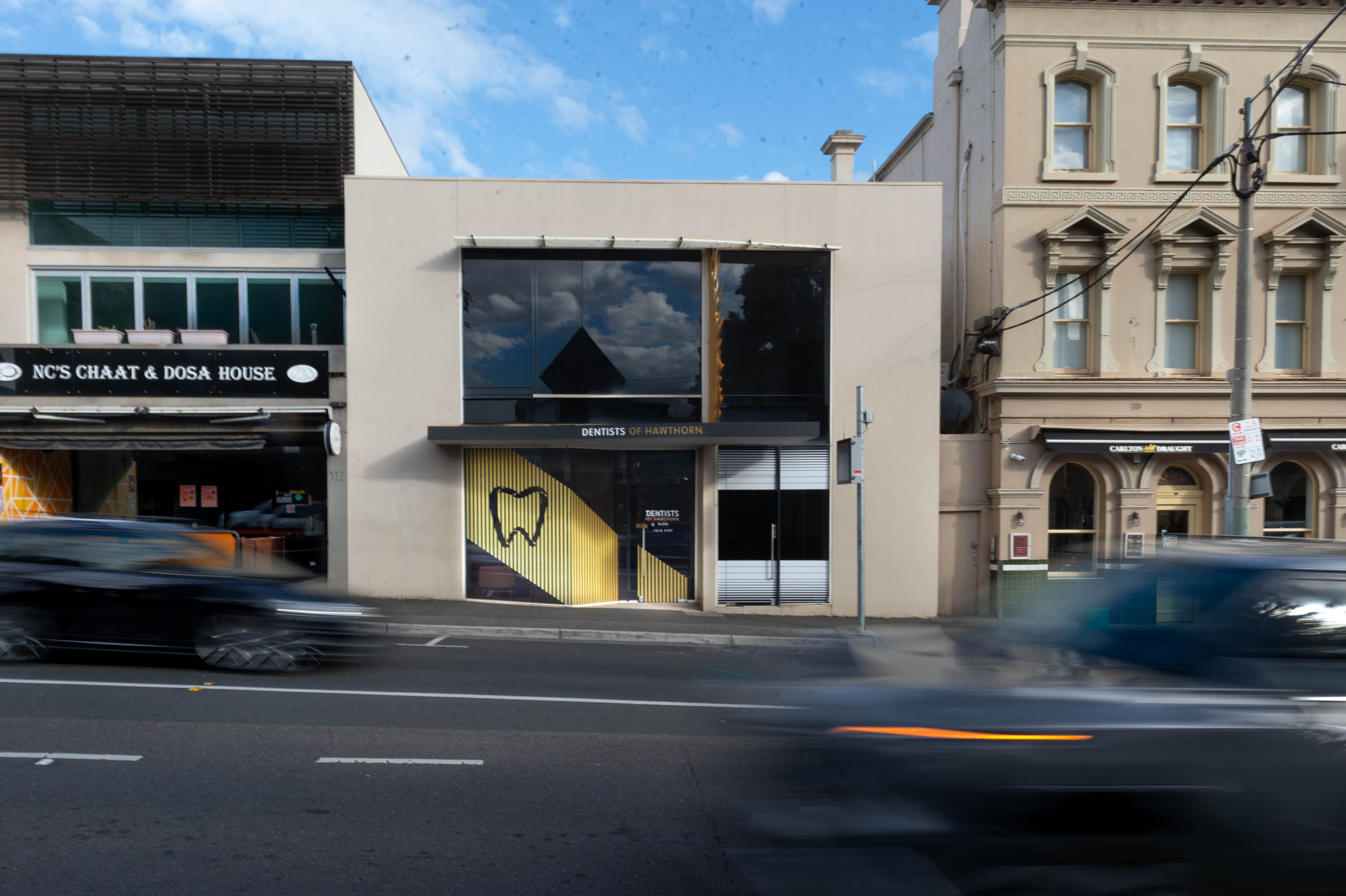
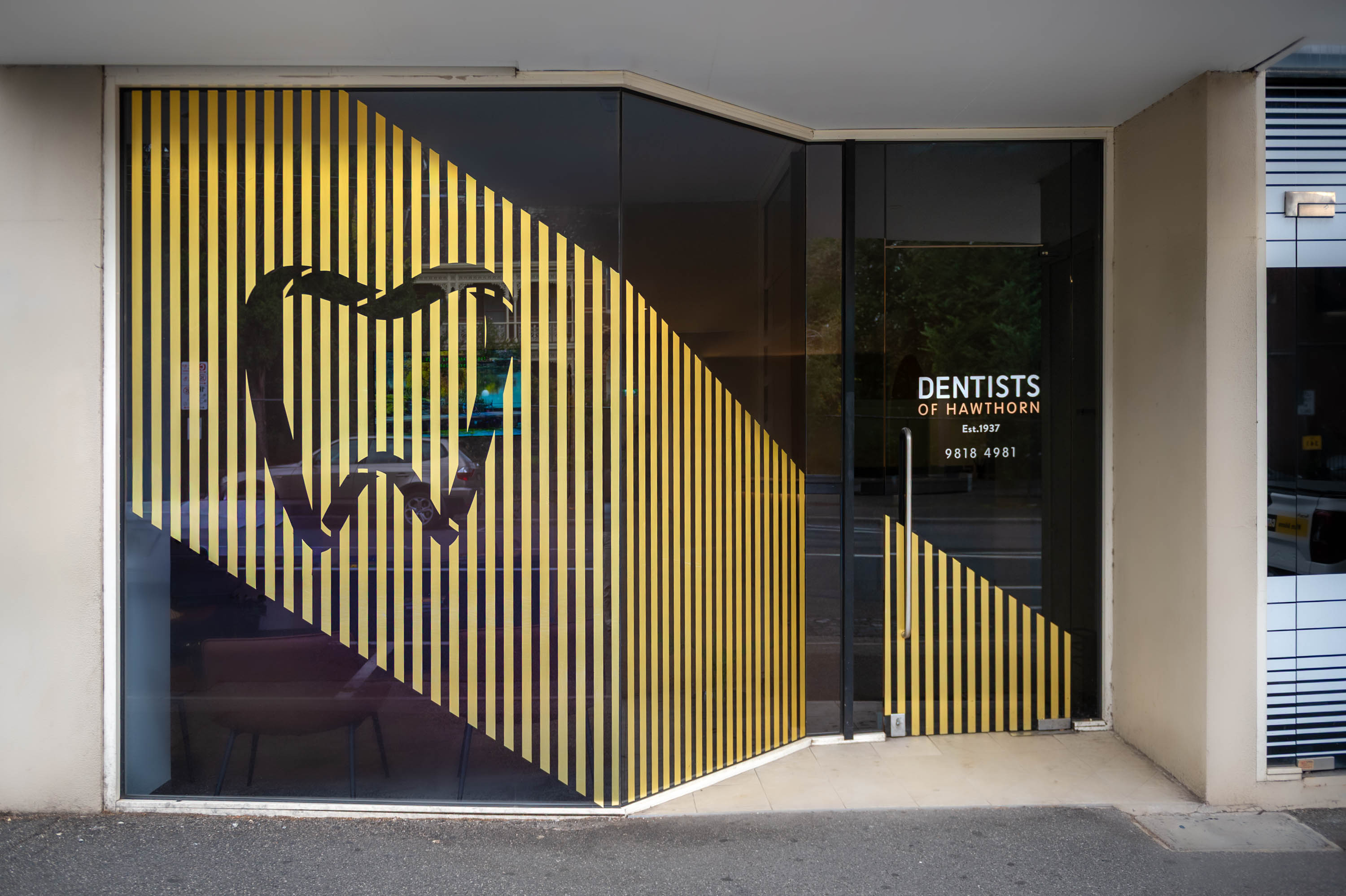
Our clinic was designed with you in mind. From our welcoming reception and cosy waiting area to our modern treatment rooms, we've put thought into every detail to ensure you feel comfortable and at ease throughout your visit. We're proud to call this space our home and we hope you feel that warmth every time you walk through our doors.

About

Oral Cancer Checks

Oral cancer refers to cancerous growths that develop in the tissues of the mouth and oral cavity. It can affect the lips, tongue, gums, inner lining of the cheeks, roof or floor of the mouth, and throat. Regular oral cancer checks are essential for early detection and treatment of oral cancer.

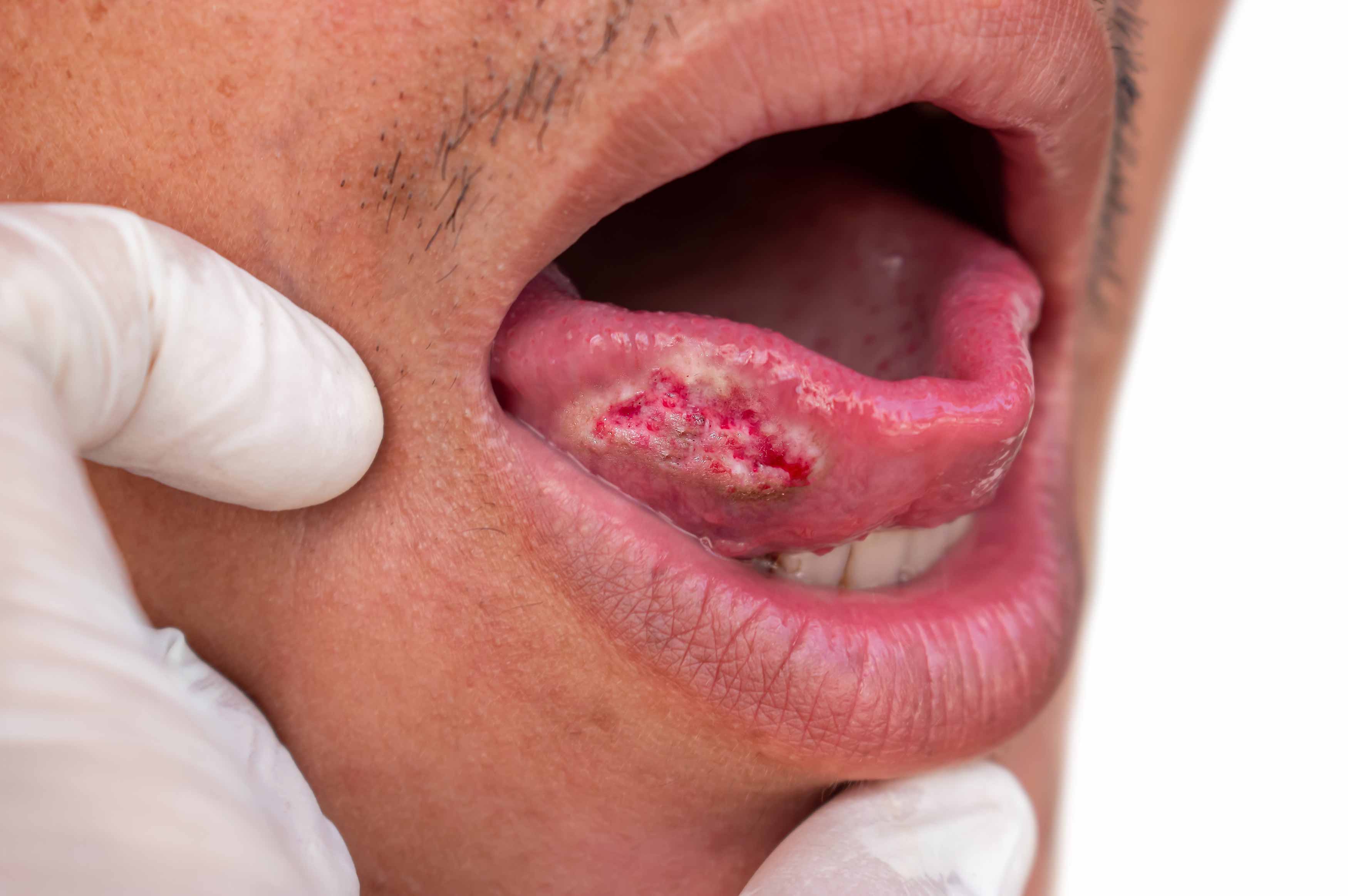
Photo of a cancer on the right side of someone's tongue
Icon of a tooth with a magnifying glass

Why might I need

Oral Cancer Checks

?

Detecting oral cancer in its early stages increases the chances of successful treatment and improves overall prognosis. Oral cancer screenings are particularly important if you have risk factors such as tobacco or alcohol use, a history of oral cancer, prolonged sun exposure, or a family history of cancer. Additionally, routine screenings are part of preventive dental care and help ensure your overall oral health and well-being.

Face, woman and unhappy on portrait in studio background with unsure, uncertain and sad. Female person, isolated and facial expression or feeling for confused, disappointed and regret or emotional
Closeup faceless upset woman has mental health problems. Melancholic girl covered her face with her hands sitting on the steps in the autumn park. Autumn depression, melancholy and blues.
Icon of a tooth with a magnifying glass

Different approaches to

Oral Cancer Checks

The specific approach to oral cancer checks may vary depending on the dentist's or oral healthcare professional's preferences and available technology. These can include:

Biopsy

In certain situations, part or all of a suspicious area may be removed for laboratory testing to see if the area is cancerous. This is generally performed by a oral medicine specialist or oral surgeon.

Clinical Examination

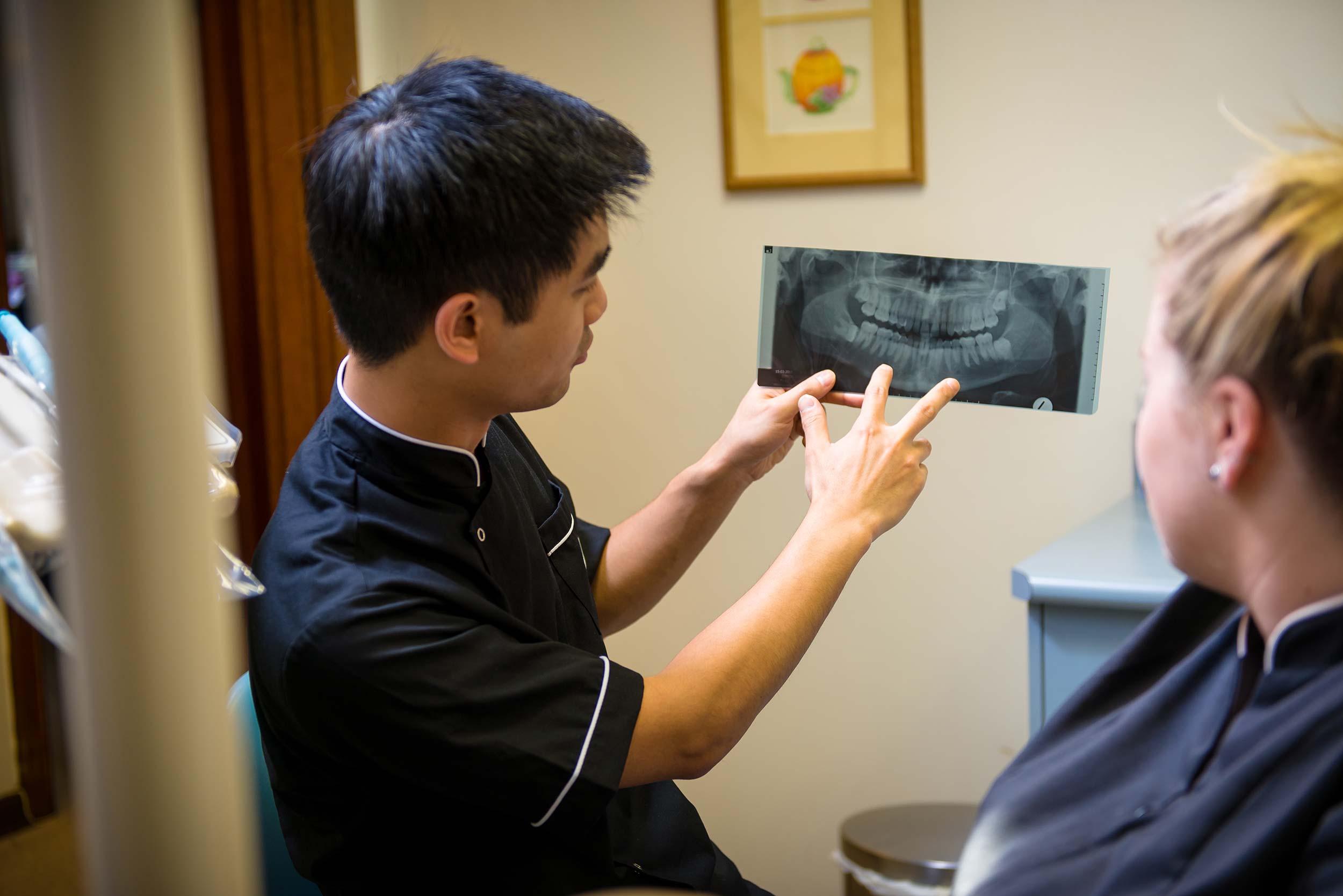
Dentists and oral healthcare professionals visually inspect the oral tissues, including the lips, tongue, gums, cheeks, and throat, looking for any abnormal changes, such as sores, red or white patches, or lumps. Photos are often taken of these areas to better monitor for changes over time. Manual palpation of specific areas is performed to feel for any unusual lumps, bumps, or irregularities in the oral tissues, including the neck and lymph nodes.

Icon of a tooth with a magnifying glass

What is involved for

Oral Cancer Checks

An oral cancer check involves several steps:

1

Visual Inspection

The oral tissues, including the lips, tongue, gums, cheeks, and throat are assessed to monitor for changes in appearance. This may involve photos of these areas for future comparison.

2

Physical examination

Palpation of the lymph nodes in the neck or other irregularities in the mouth is sometimes performed to identify any abnormalities or suspicious lesions.

3

Monitoring or referral

Where areas appear suspicious, your dentist may recommend that you return to assess the area after a few weeks or months. In the case of ongoing changes or if symptoms occur, your dentist may recommend referral to a oral medicine or oral surgery specialist to assess the area further.

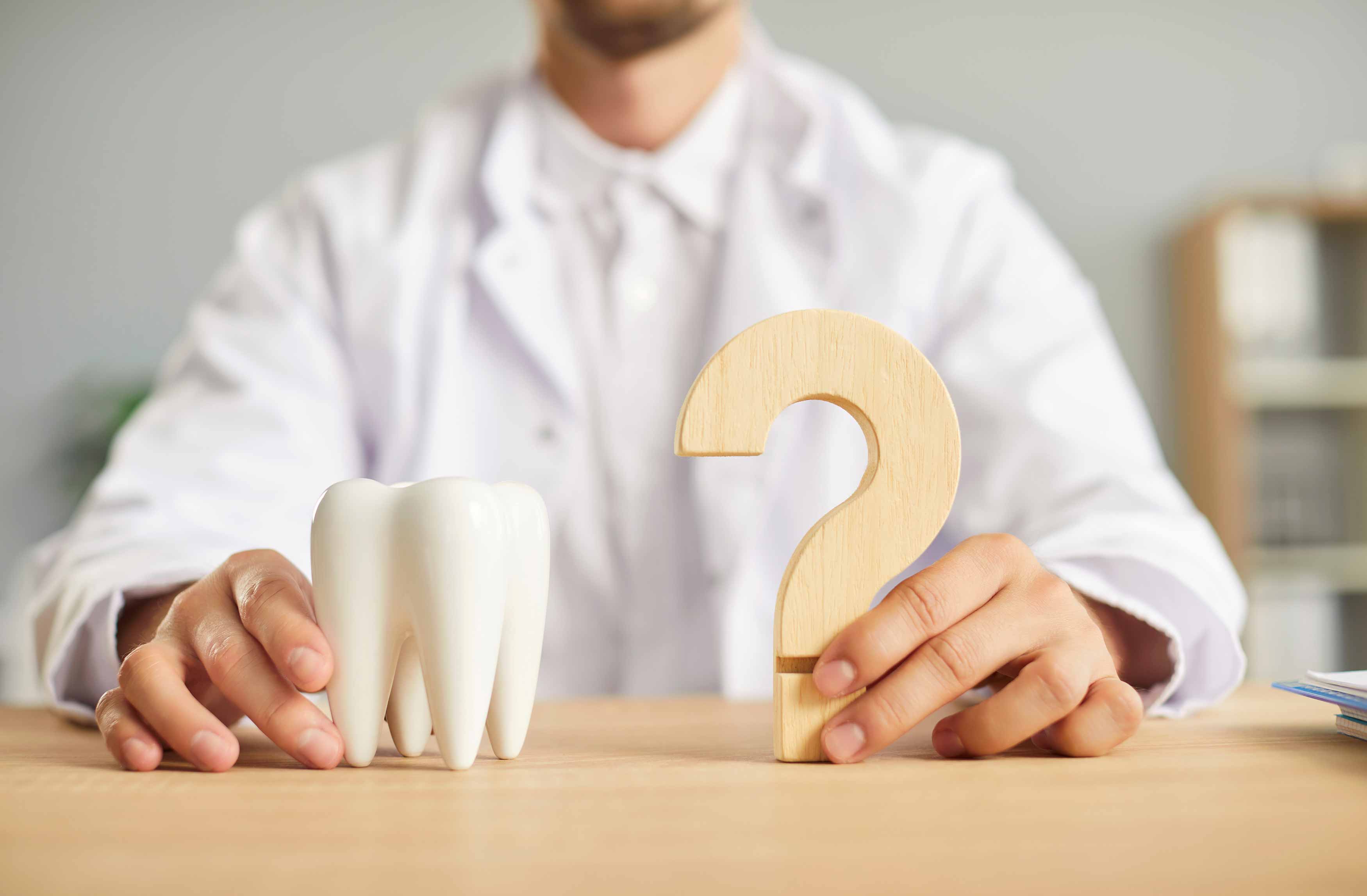
A photo of a men holding a tooth model in his right and a question mark on his left
Icon of a tooth with a magnifying glass

How could

Oral Cancer Checks

help me?

It is important to detect oral cancer early through regular dental check-ups and screenings, as early diagnosis and treatment significantly improve the chances of successful outcomes.

Icon of a tooth with a magnifying glass

FAQ's about

Oral Cancer Checks

Do I need to stop smoking?

Will my tongue look black?

Should I see a dentist or GP for oral cancer?

Book an Appointment

Open hours
Monday
8:00am - 5:00pm
Tuesday
8:30am - 7:30pm
Wednesday
9:00am - 5:00pm
Thursday
9:00am - 6:30pm
Friday
7:30am - 5:00pm
Saturday
8:00am - 1:00pm