















































Looking for a

Dental Filling

near

Box Hill South

?

We're the top reviewed Dentist near

Box Hill South

and are experts in

Dental Fillings

. Check out our Google reviews, have a look around our website, and see if you think we'd be a good fit for you and your family?

We are just a few suburbs away from Box Hill South.

Give us a call here to discuss any questions you have.

How to get here

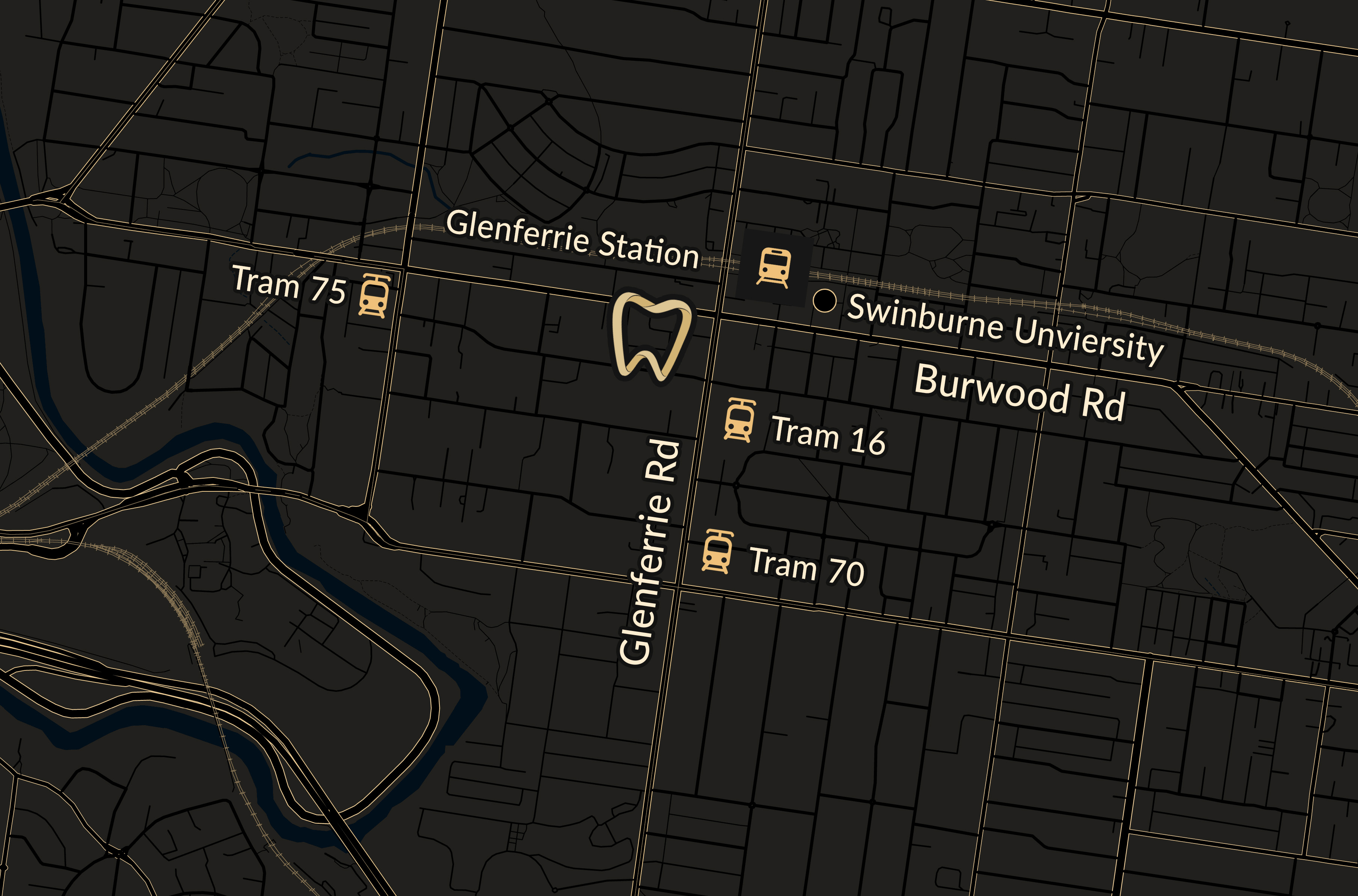
To reach us by train, take any city-bound train. After a short ride, you'll arrive at Glenferrie Train Station, which is just a five-minute walk away.

If you are catching the tram, we are less than a minute walk from the nearest Tram Stop 73 route 16 at the Corner of Glenferrie & Burwood road.

Ample parking in front and surrounding our clinic if you are driving.

Our Clinic

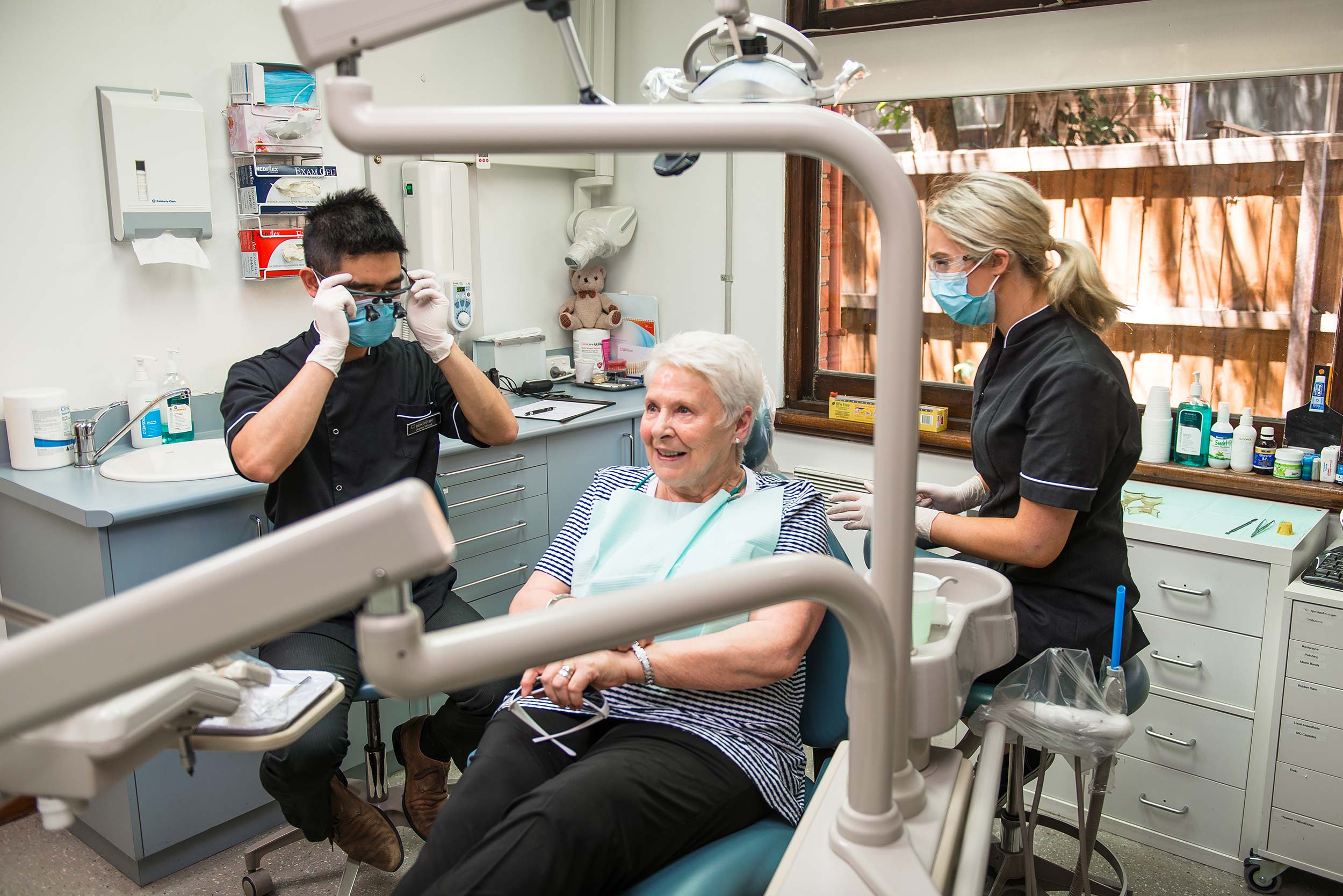
Our clinic was designed with you in mind. From our welcoming reception and cosy waiting area to our modern treatment rooms, we've put thought into every detail to ensure you feel comfortable and at ease throughout your visit. We're proud to call this space our home and we hope you feel that warmth every time you walk through our doors.

About

Dental Fillings

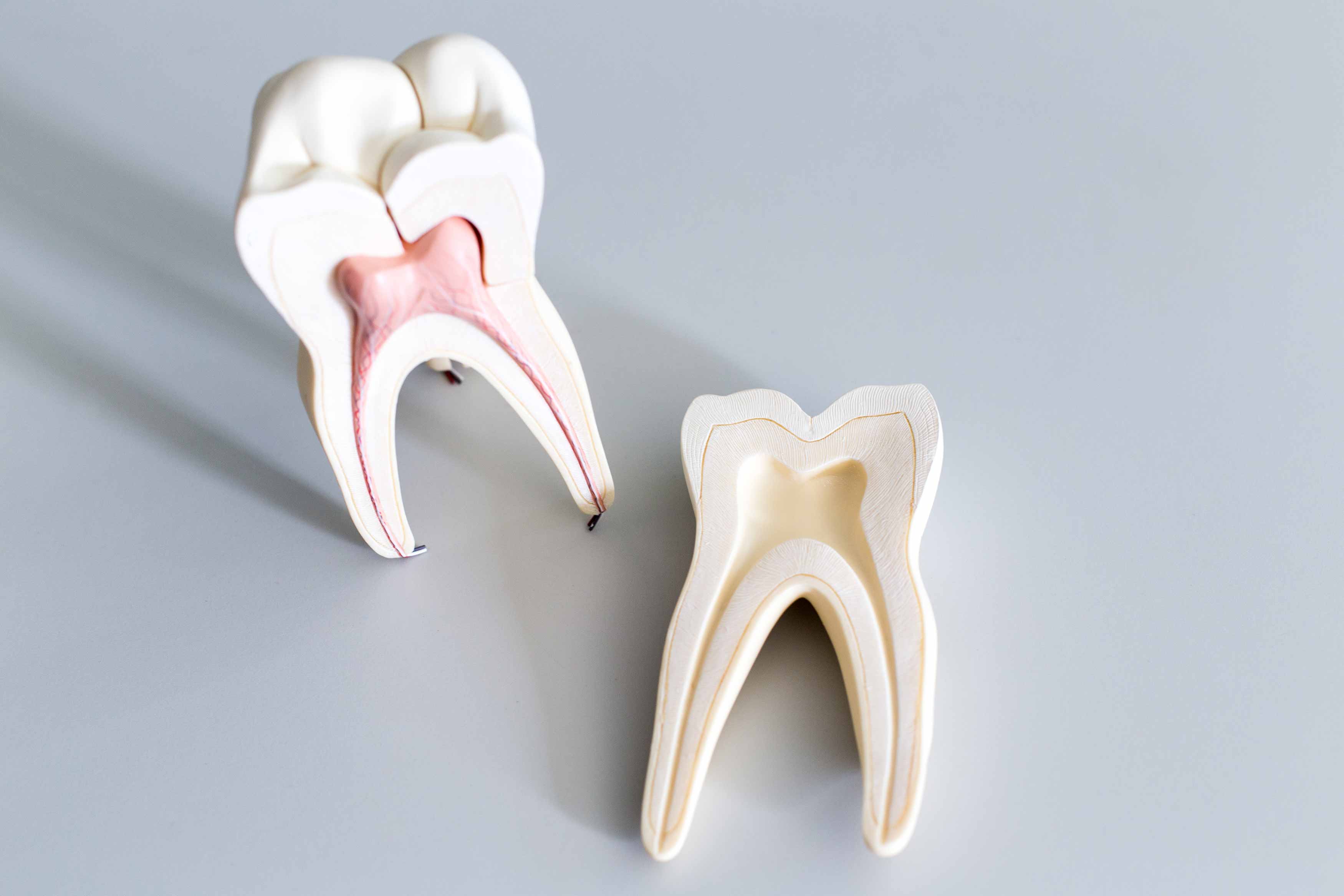
A filling is a dental restoration used to repair a tooth that has been affected by decay or damage. It involves removing the decayed or damaged portion of the tooth and filling the resulting cavity with a suitable material, such as composite resin, amalgam, or porcelain. Fillings restore the tooth's structure, strength, and function while preventing further decay or damage.

A photo of an UV light used to cure composite resin that is on a tooth model
Icon of a drill into a tooth

Why might I need

Dental Fillings

?

You may need a filling if you have a cavity, which is a decayed area in your tooth caused by bacteria and plaque buildup. Fillings are necessary to remove the decayed portion of the tooth and restore its structure, preventing further decay and restoring proper function. Additionally, fillings may be required to repair teeth that are cracked, chipped, or worn down due to injury or other factors.

Young woman enjoying a relaxing day at home in natural daylight, smiling in the living room, capturing moments of joy and tranquility.
Happy woman, portrait or patient in dental clinic for crown, veneers or medical procedure. Appointment, smile or person with implant in oral exam for dentistry, teeth whitening or cosmetics treatment‍
Icon of a drill into a tooth

Different approaches to

Dental Fillings

There are different types of fillings available at Dentists of Hawthorn:

Amalgam fillings

Amalgam fillings also known as silver fillings, are composed of a mixture of metals, including mercury, silver, tin, and copper. They have good durability and strength, making them suitable for use in areas of the mouth that undergo heavy chewing forces. However, their silver colour makes them more noticeable, which can be a consideration for those seeking a more natural appearance.

Composite fillings

Composite fillings (also known as tooth-coloured fillings) are made of a resin that can be closely matched to the colour of your natural teeth, providing a discreet and aesthetically pleasing result. They are commonly used for front teeth or more visible areas of the mouth, as they offer good durability and can be bonded directly to the tooth, preserving more of the natural tooth structure.

Icon of a drill into a tooth

What is involved for

Dental Fillings

How the process of a dental filling is done at Dentists of Hawthorn:

1

Diagnosis

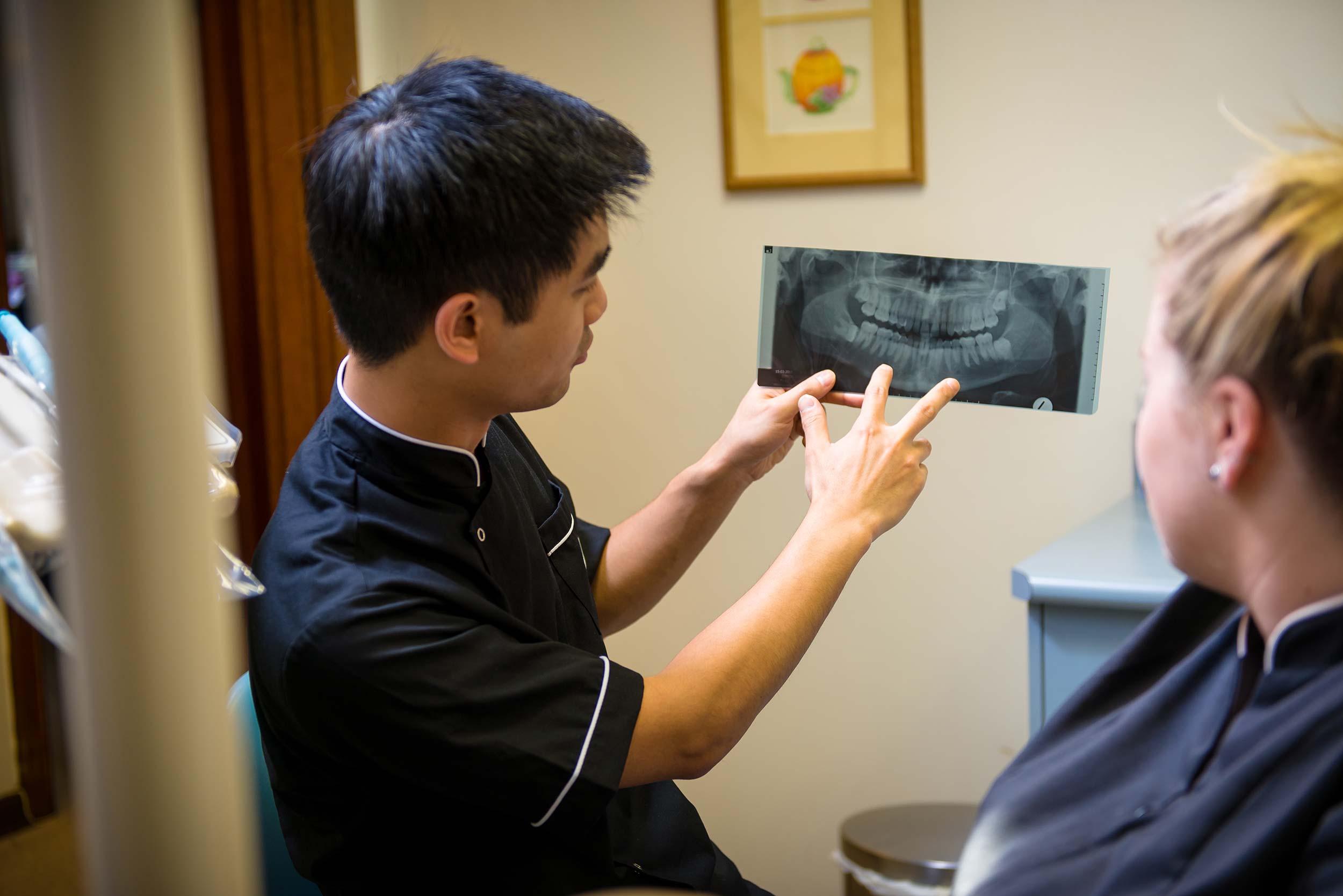
Your dentist needs to assess the tooth which requires fillings to review the size, complexity and assess for any other potential diseases present which could affect the longevity of your tooth. This may involve visual inspection, x-rays of the tooth, and other specialised tests to assess what options are most appropriate to restore your tooth.

2

Local Anaesthetic

When moderate to large fillings are performed, your dentist will administer a local anaesthetic to numb the tooth and surrounding area, ensuring a painless experience during the procedure. In some cases where the fillings are smaller, this may not be necessary.

3

Removing Decay or Damage

Your dentist uses dental drills or air abrasion instrument to remove the decayed or damaged portion of the tooth, creating a clean and prepared cavity. The cavity is shaped and cleaned to ensure proper adhesion of the filling material.

4

Placing the Filling Material

Your dentist applies the chosen filling material (such as composite resin, amalgam, or porcelain) to the prepared cavity, and shapes it to match the natural contours of the tooth.

5

Bonding and Curing

For composite fillings, a special bonding agent is applied to the tooth, and a curing light is used to harden and set the material in place. Amalgam fillings are packed into the cavity and once set, shaped accordingly.

6

Adjusting and Polishing

The dentist checks the filling for proper bite alignment, makes any necessary adjustments, and polishes it to a smooth finish, ensuring a comfortable fit and natural appearance.

a before photo of a broken tooth which is then fixed by a new composite resin covering the broken portion
Icon of a drill into a tooth

How could

Dental Fillings

help me?

Fillings help restore the functionality of damaged or decayed teeth, allowing you to chew and speak without discomfort. They also prevent further decay and preserve the natural appearance of your teeth, enhancing your smile and promoting long-term oral health.

Icon of a drill into a tooth

FAQ's about

Dental Fillings

What should I do if I have a broken tooth?

Do my silver fillings have mercury in them?

Will I have to have a silver filling?

Can I eat after my filling?

Book an Appointment

Open hours
Monday
8:00am - 5:00pm
Tuesday
8:30am - 7:30pm
Wednesday
9:00am - 5:00pm
Thursday
9:00am - 6:30pm
Friday
7:30am - 5:00pm
Saturday
8:00am - 1:00pm