







Looking for a

Dental Crowns and Bridges

near

Mont Albert

?

We're the top reviewed Dentist near

Mont Albert

and are experts in

Dental Crowns and Bridges

. Check out our Google reviews, have a look around our website, and see if you think we'd be a good fit for you and your family?

We are 2 suburbs away from Mont Albert and only a 15 min drive.

Give us a call here to discuss any questions you have.

How to get here

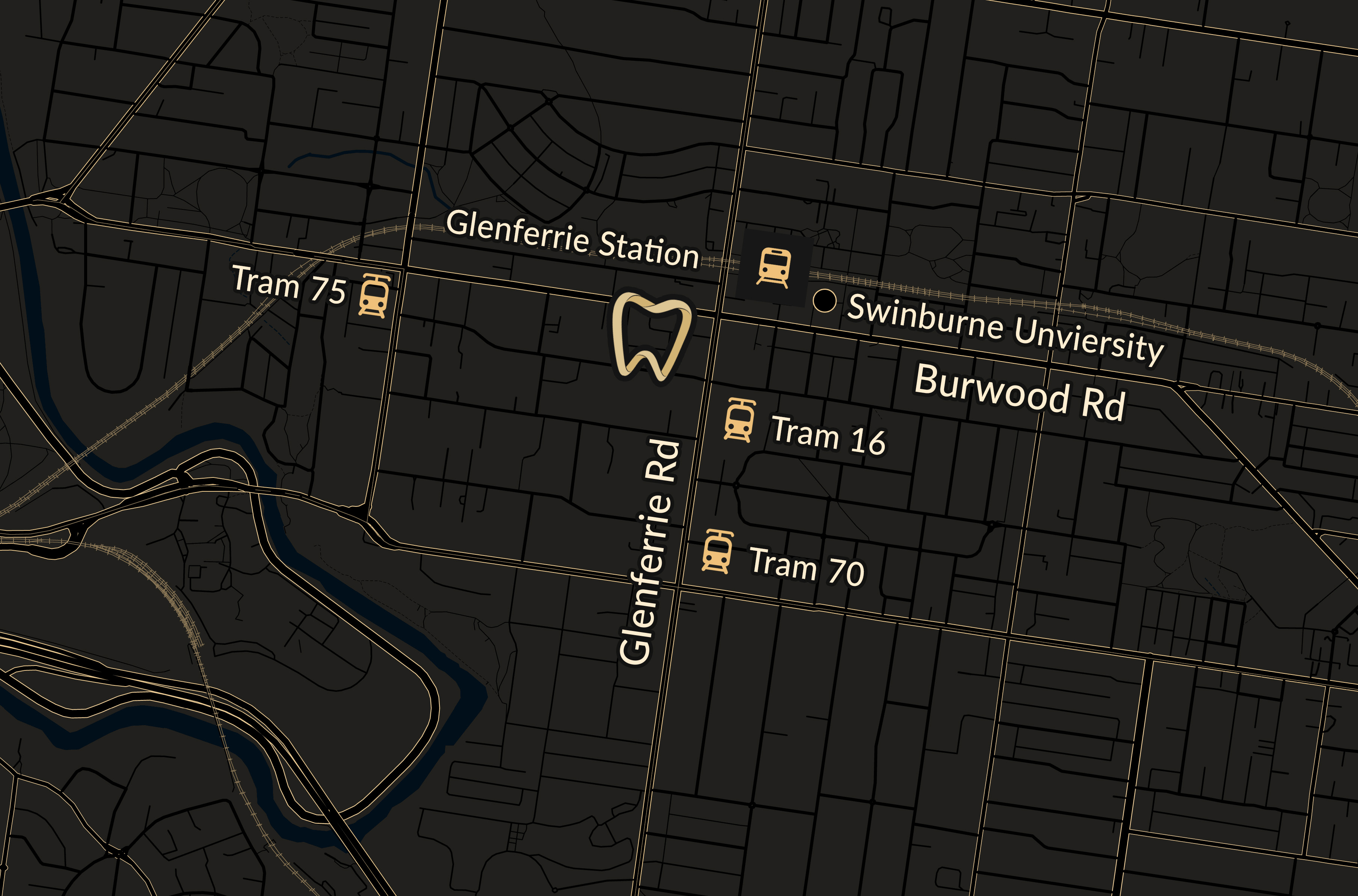
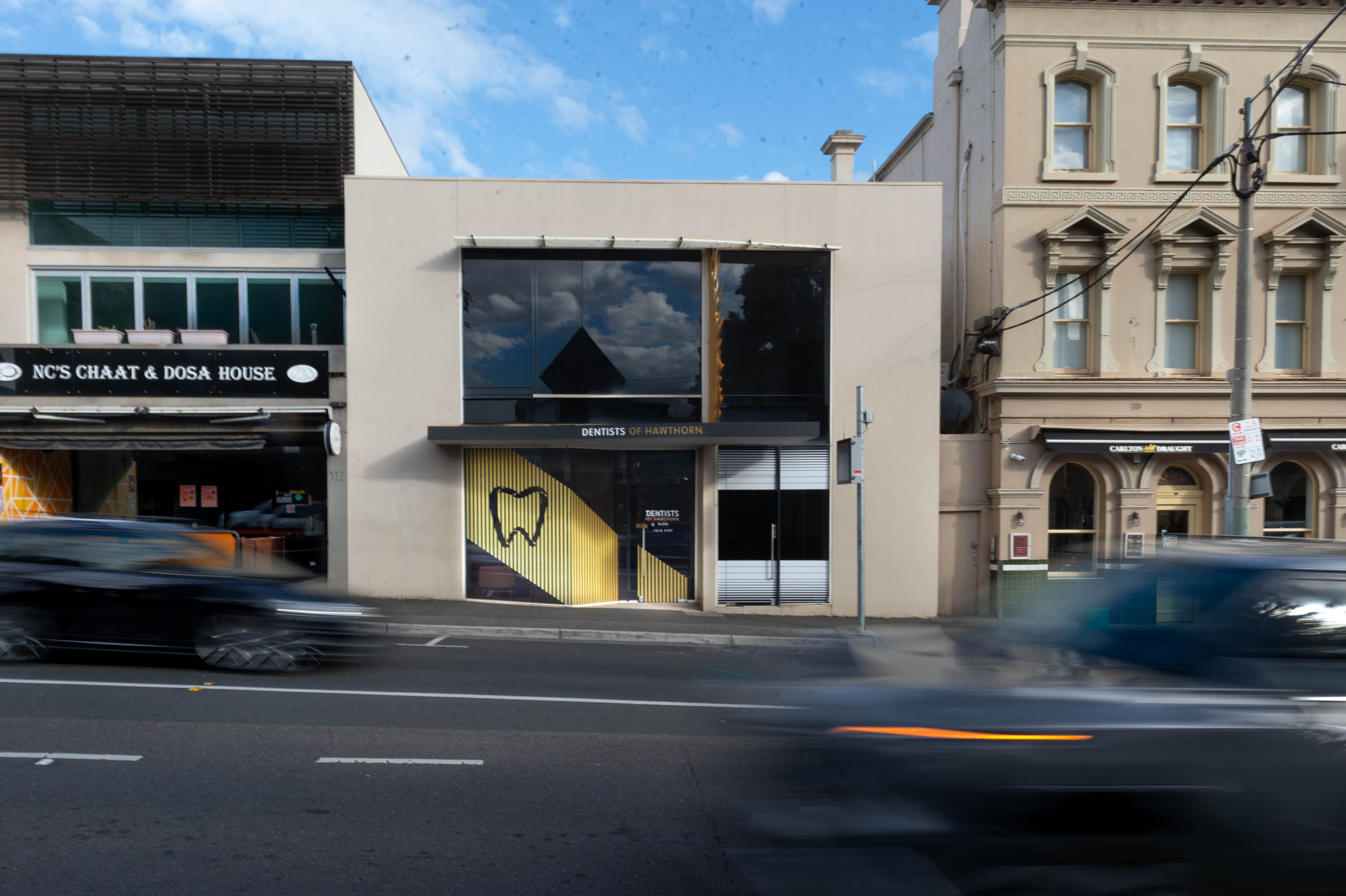
To reach us by train, take  any city-bound train. After a short train ride, we are just a five-minute walk from Glenferrie Train Station.

Ample parking in front and surrounding our clinic if you are driving.

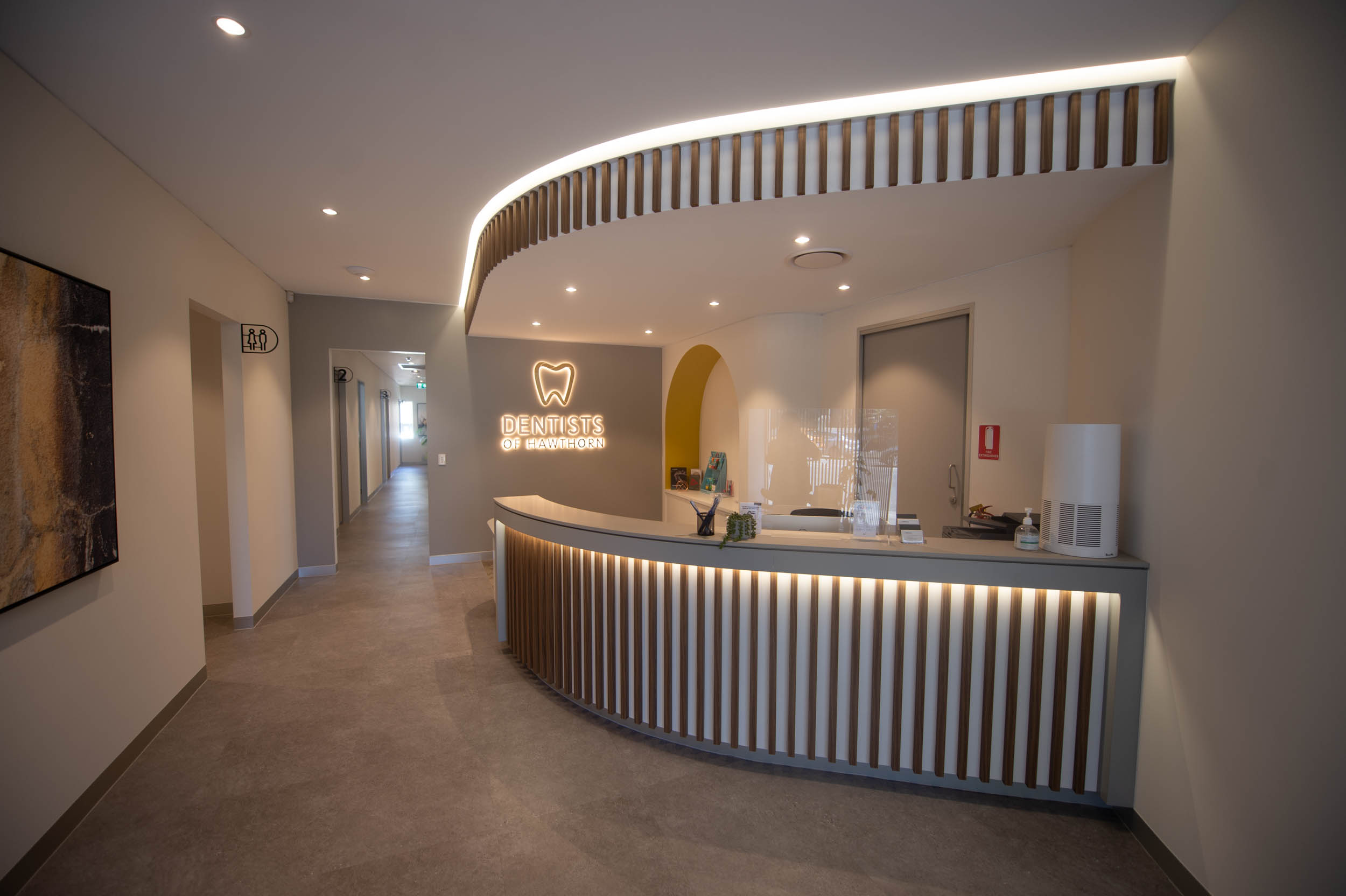
Our Clinic

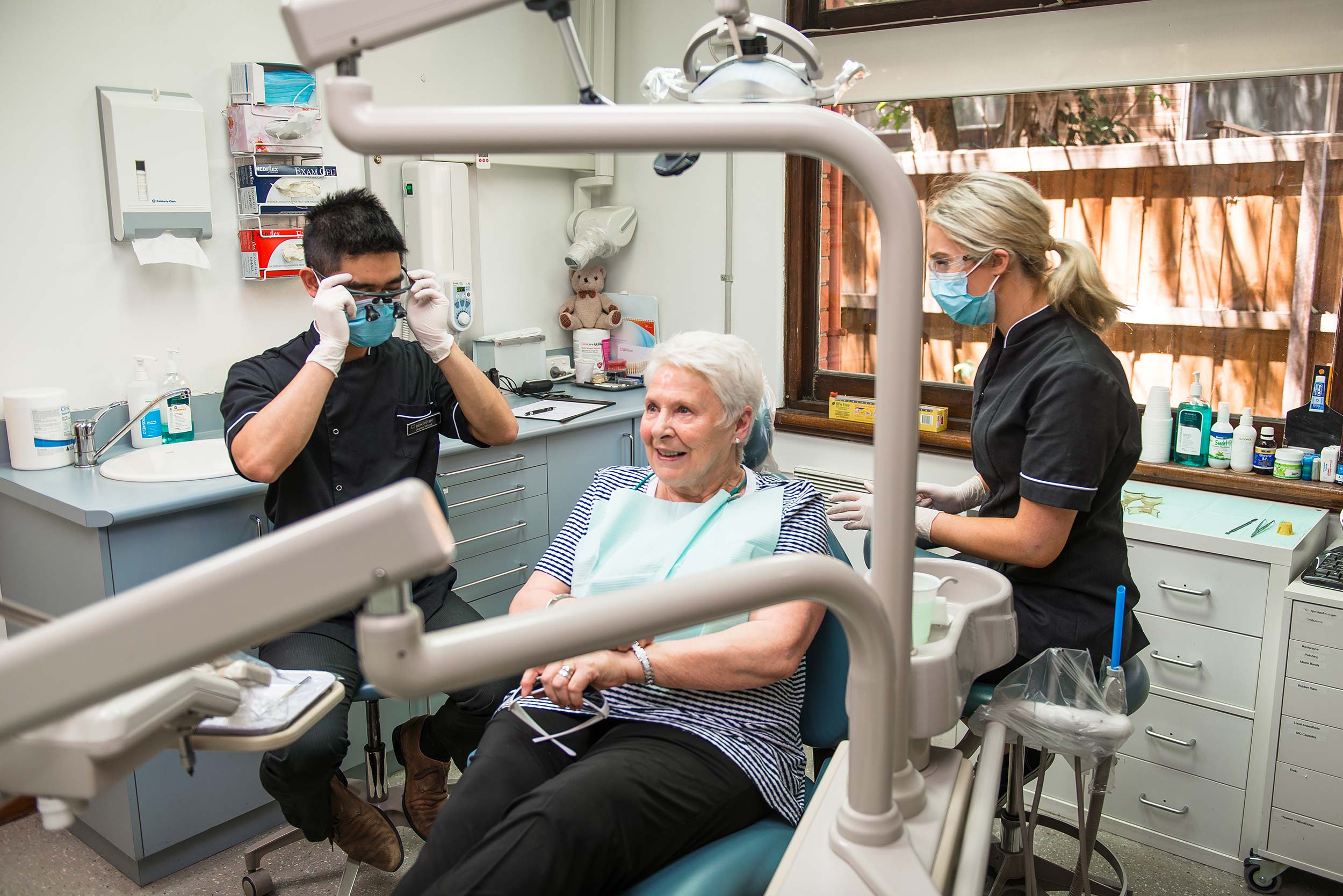
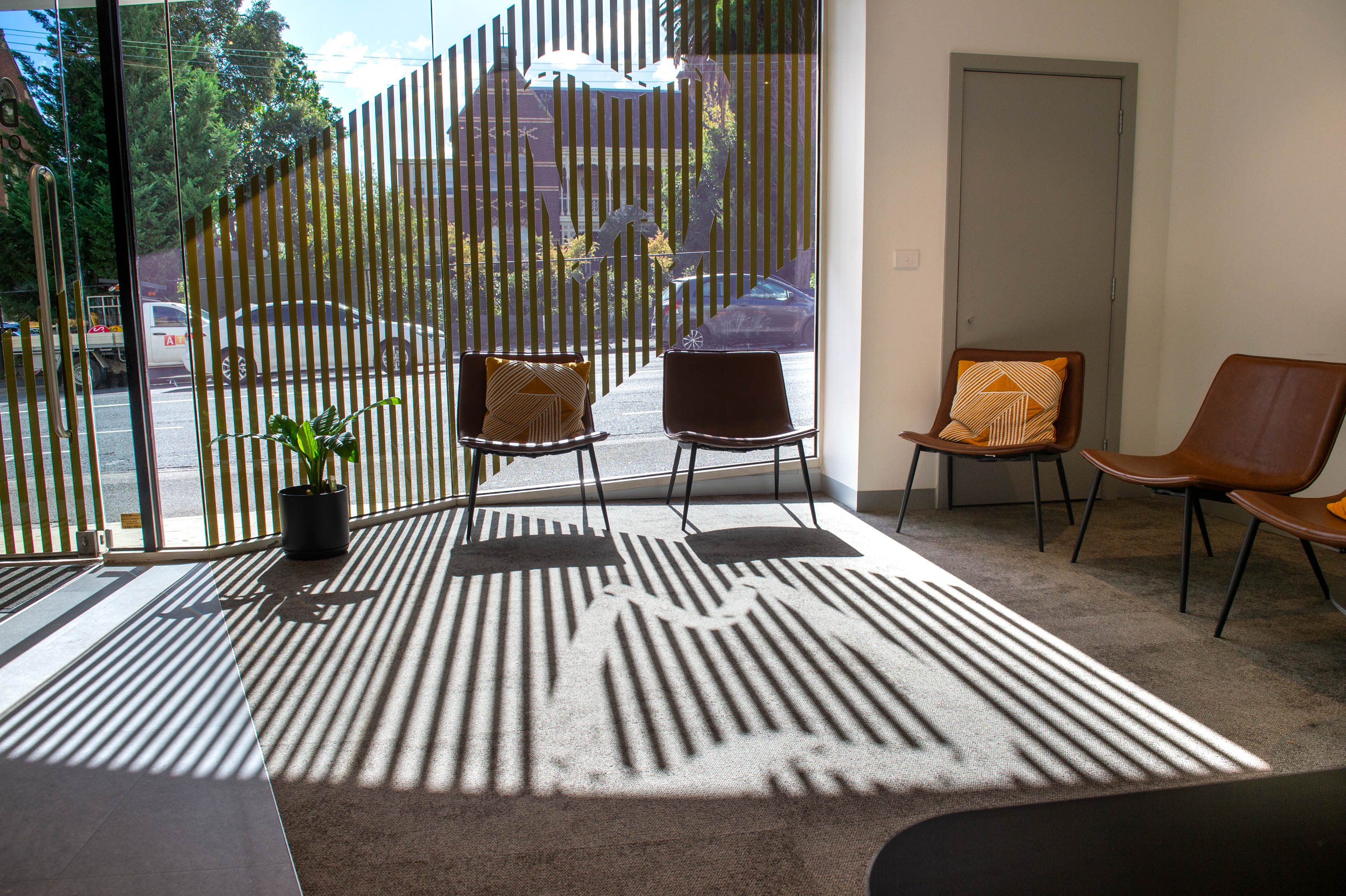
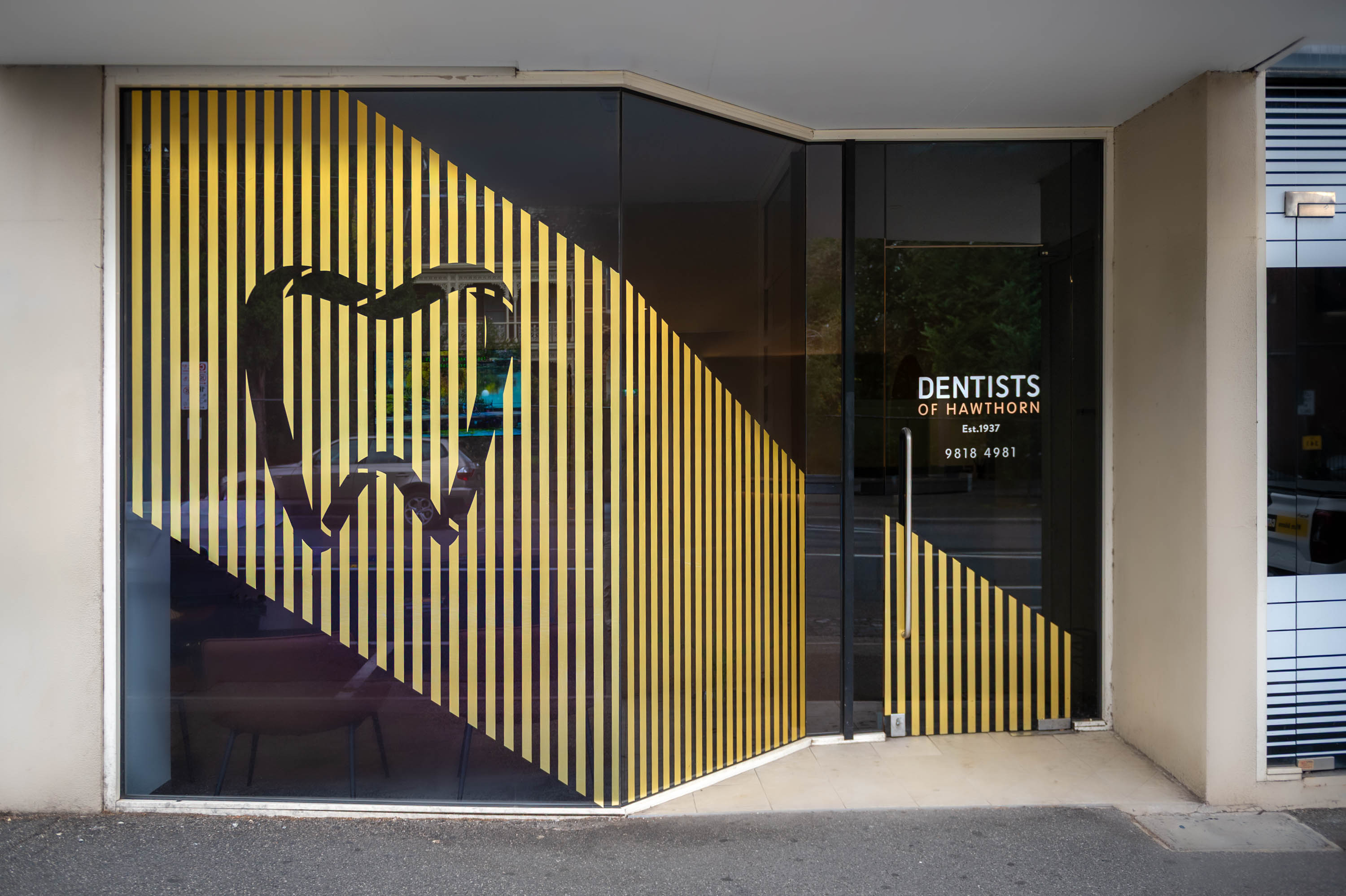
Our clinic was designed with you in mind. From our welcoming reception and cosy waiting area to our modern treatment rooms, we've put thought into every detail to ensure you feel comfortable and at ease throughout your visit. We're proud to call this space our home and we hope you feel that warmth every time you walk through our doors.

About

Dental Crowns and Bridges

Crowns and bridges are used to fix or replace teeth. A crown is like a cap that covers a damaged tooth to make it stronger and look better. A bridge fills the gap left by missing teeth, using the nearby teeth or implants for support. Both help you chew better, keep your smile looking good, and protect your overall oral health.

A closeup photo of a 3-unit porcelain bridge and another porcelain tooth
Tooth Icon with a crown on top of it

Why might I need

Dental Crowns and Bridges

?

There are a few reasons why you might need a crown or bridge, and it’s best to chat with your dentist to see what’s right for you. Crowns are great for strengthening weak or cracked teeth, especially after things like tooth decay, big fillings, or root canals (since those teeth can get brittle). They can also fix broken or worn-down teeth and improve the look of teeth that are discoloured or oddly shaped. If you're missing a tooth, a bridge can fill the gap and stop nearby teeth from moving out of place, which can mess with your bite. Crowns are also used on implants to look and work just like a real tooth.

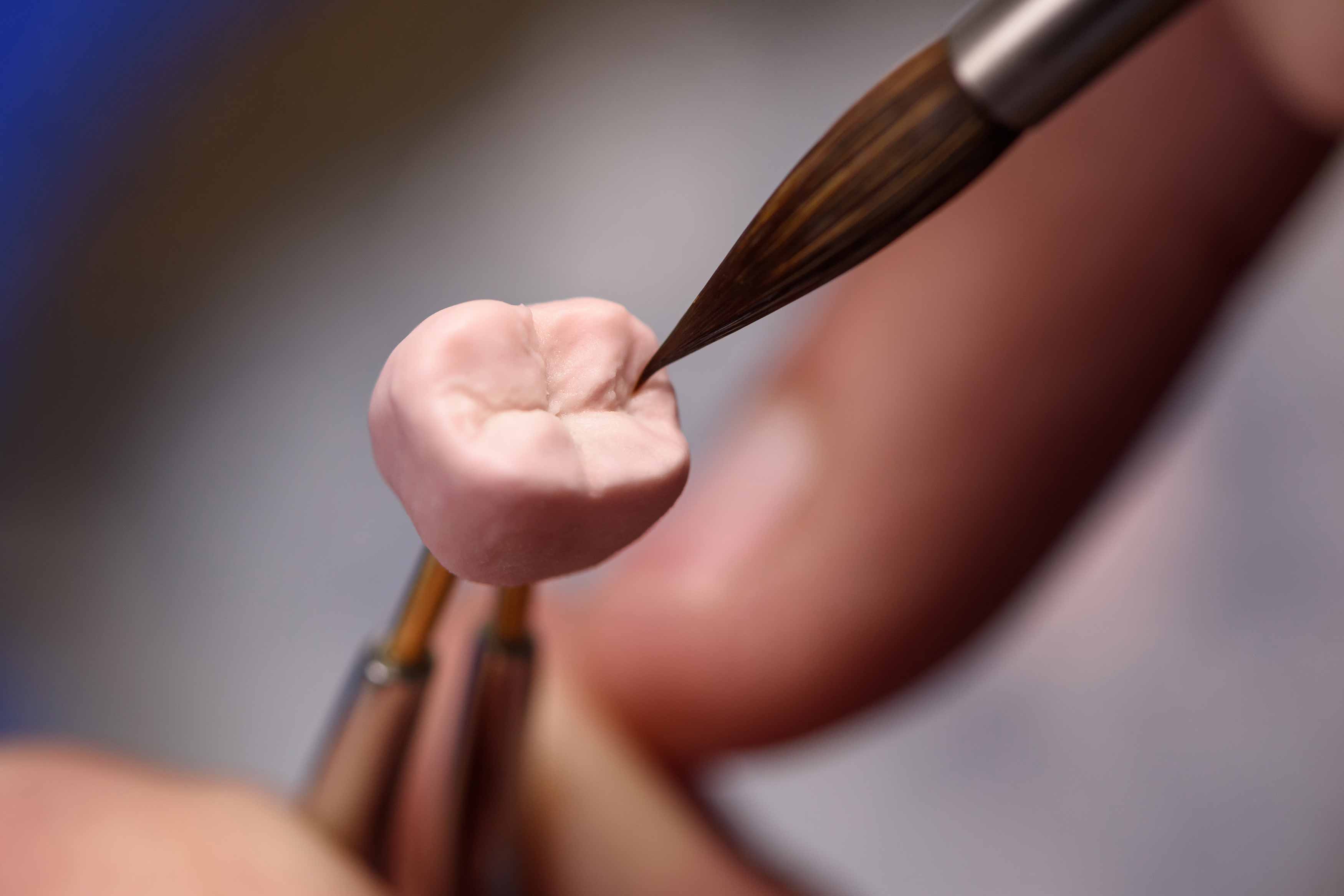
Photo of a porcelain crown with glaze painted on with a brush
Photos of 3 natural-looking porcelain crown
Tooth Icon with a crown on top of it

Different approaches to

Dental Crowns and Bridges

Dental crowns and bridges can be approached differently depending on the reasons they are being provided:

Missing Teeth

Crowns and bridges are effective ways to restore your smile and maintain oral function. A dental implant can hold a crown that looks and works like a natural tooth, while a bridge uses crowns on nearby teeth or implants to fill gaps when multiple teeth are missing. These treatments not only improve the appearance of your smile but also prevent teeth from shifting, support your bite, and help maintain your facial structure.

Cosmetics

Crowns and bridges aren’t just for fixing teeth, they’re also great for improving the look of your smile. Crowns can cover up discoloured or oddly shaped teeth, making them look natural and blend in with the rest of your teeth. Bridges fill in gaps from missing teeth, which helps keep your other teeth in place and keeps your bite and face shape from changing. Both options are custom-made to look just like your real teeth, so they restore your smile and boost your confidence while also keeping your mouth healthy.

Strength

A crown basically works like a cap that covers and protects a damaged tooth. It gives the tooth strength, keeps it from getting worse, and helps it look and work like normal again. You might need a crown if you’ve got a big filling, a cracked tooth, lots of decay, or if your teeth are worn down from grinding or clenching.

Tooth Icon with a crown on top of it

What is involved for

Dental Crowns and Bridges

How dental crowns and bridges are done at Dentists of Hawthorn

1

Exam and diagnosis

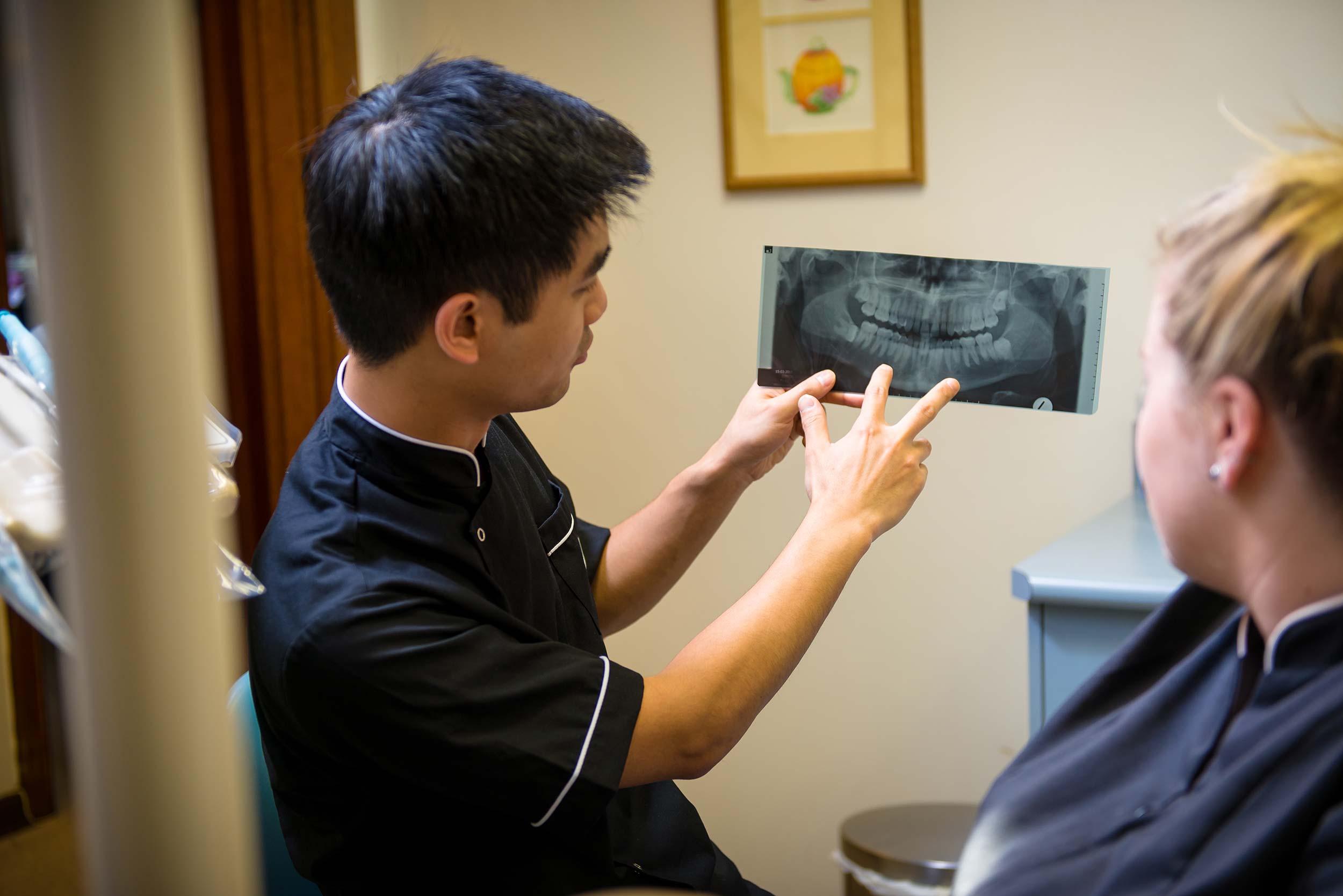
A dentist performs a thorough oral examination, possibly using X-rays, to evaluate the extent of tooth damage, decay, or loss, and to check the health of the surrounding teeth and gums. Based on the assessment, considering factors such as the patient's oral health, cosmetic desires, and functional needs, the dentist will then determine whether a crown or bridge is the best treatment option.

2

Preparation

To prepare your tooth for a crown or bridge, a dentist first numbs the area and then reshapes the tooth by removing a portion of the outer structure to allow room for the crown or bridge to fit. After reshaping, they take an impression of the prepared tooth and the surrounding teeth, which is sent to a dental lab to custom-make the crown or bridge for a precise fit. A temporary crown or bridge is then made to protect the prepared teeth while your final crown or bridge is being made.

3

Insert crown or bridge

Once your custom-made crown or bridge is ready, your dentist will first ensure it fits properly and matches the colour of your surrounding teeth. After any necessary adjustments, they will cement the crown over the prepared tooth or fix the bridge onto the anchoring teeth, resulting in a restored and functional smile.

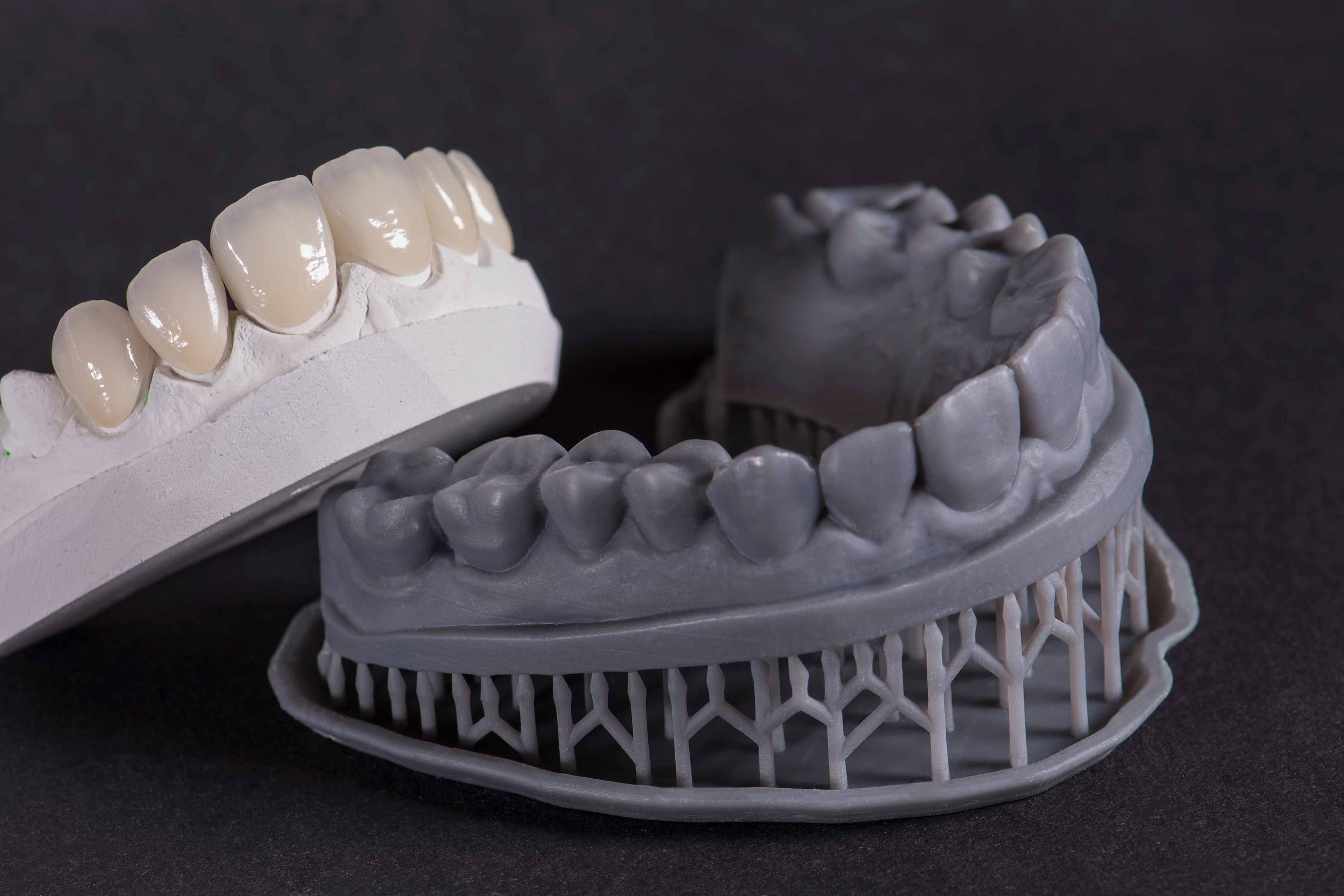
Photo showing multiple porcelain crowns alongside a 3D printed model
Tooth Icon with a crown on top of it

How could

Dental Crowns and Bridges

help me?

Dental crowns and bridges are essential treatments for restoring oral health and function. Crowns act as protective caps that cover damaged or decayed teeth to maintain their structure, relieve discomfort, and blend naturally with surrounding teeth. Bridges replace one or more missing teeth by filling gaps with prosthetic teeth, preventing nearby teeth from shifting and helping maintain proper bite alignment and facial shape. Together, crowns and bridges provide reliable, long-term solutions that protect oral health while enhancing the appearance of your smile.

Tooth Icon with a crown on top of it

FAQ's about

Dental Crowns and Bridges

Will my splint/mouth-guard still fit?

What should I do if my temporary crown falls off?

How long will my crown last for?

Book an Appointment

Open hours
Monday
8:00am - 5:00pm
Tuesday
8:30am - 7:30pm
Wednesday
9:00am - 5:00pm
Thursday
9:00am - 6:30pm
Friday
7:30am - 5:00pm
Saturday
8:00am - 1:00pm