














Looking for a

Dental Appliances

near

Kooyong

?

We're the top reviewed Dentist near

Kooyong

and are experts in

Dental Appliances

. Check out our Google reviews, have a look around our website, and see if you think we'd be a good fit for you and your family?

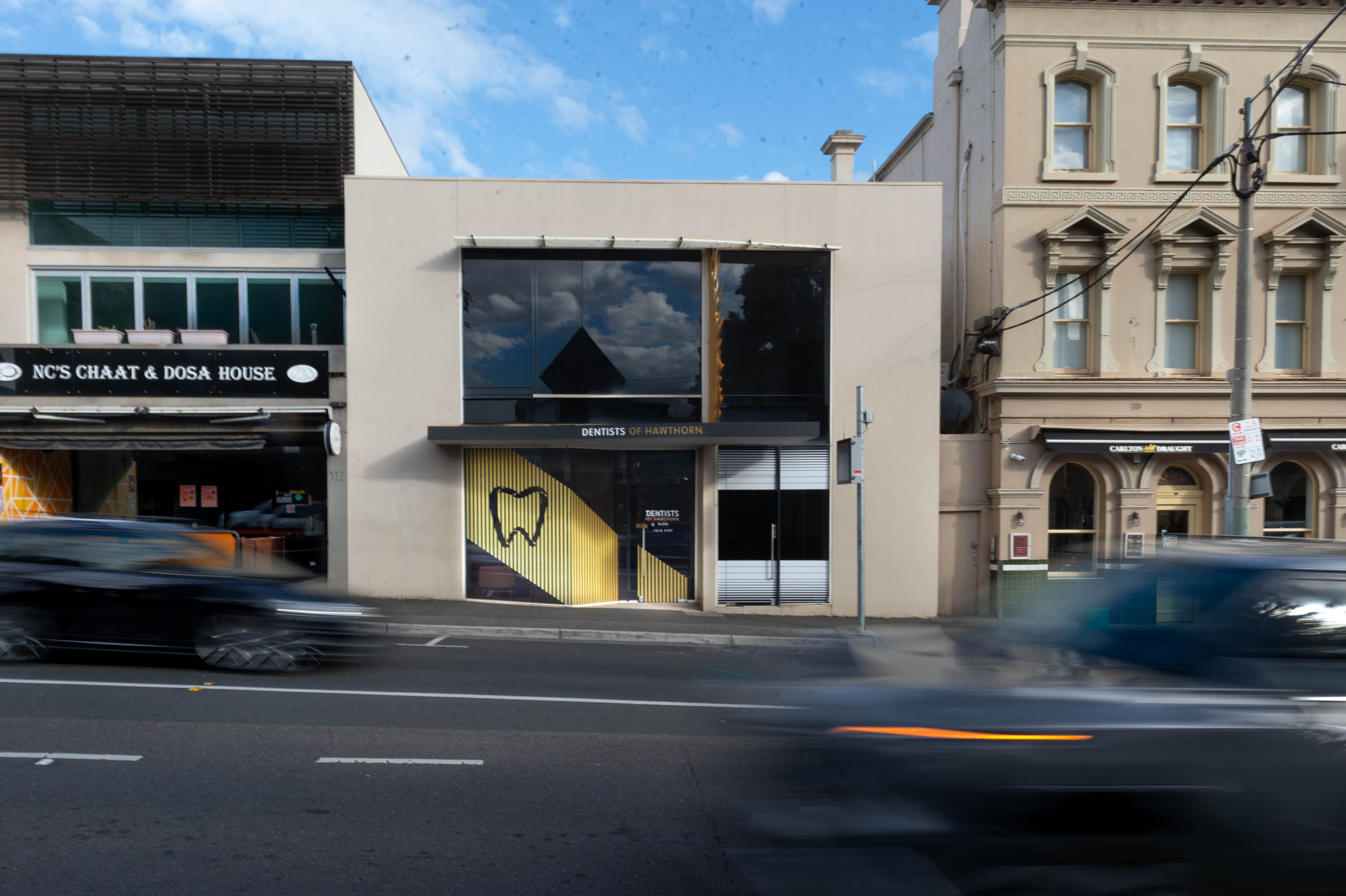
We are 1 suburb away from Kooyong and only a 5 min drive

Give us a call here to discuss any questions you have.

How to get here

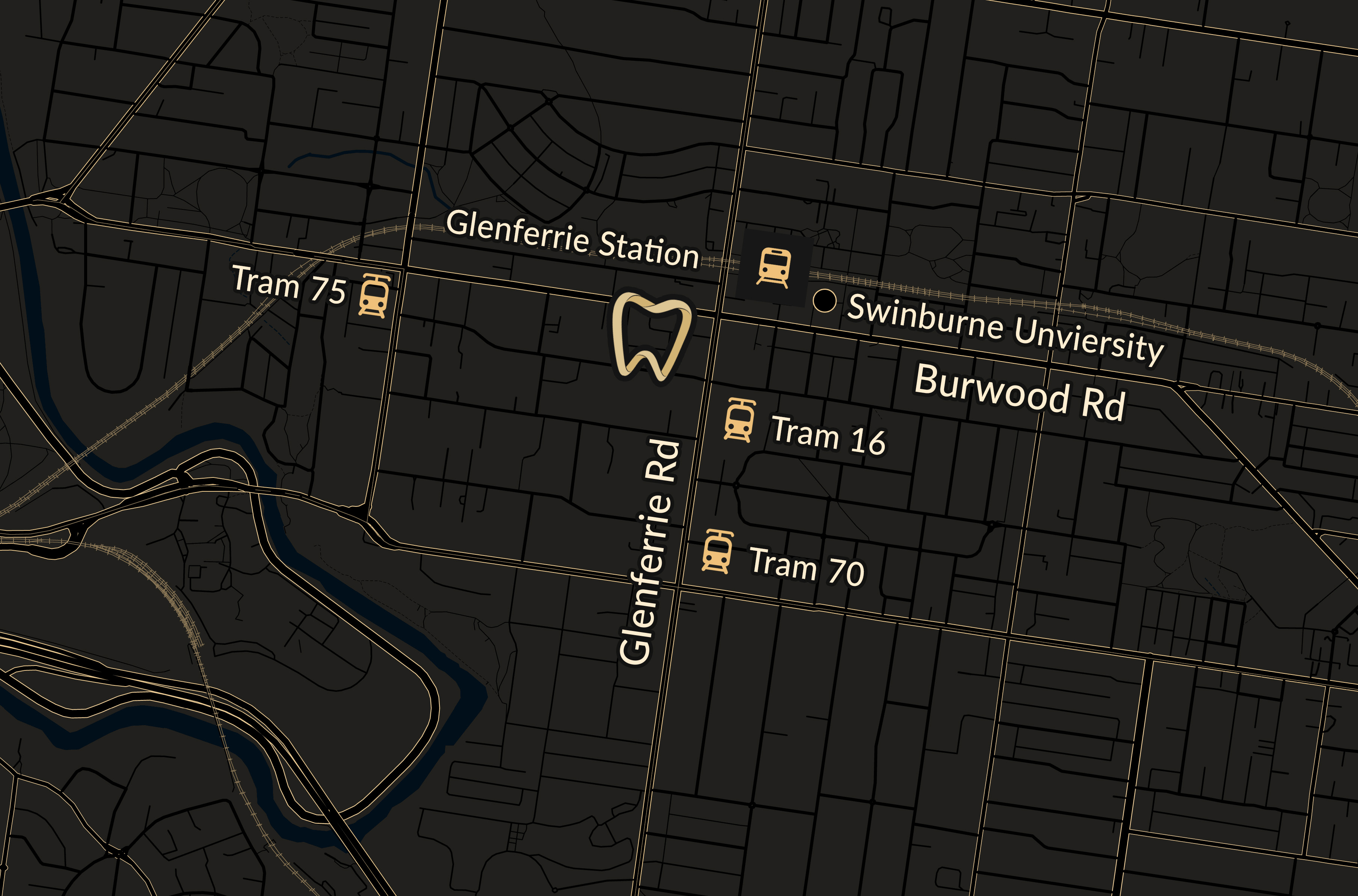
To reach us by train, take the Glen Waverley city-bound to Burnley, then transfer to the Alamein or Lilydale/Belgrave line. After a short ride of 2 stops, we are just a five-minute walk from Glenferrie Train Station.

If you are catching the tram, we are less than a minute walk from the nearest Tram Stop 73 route 16 at the Corner of Glenferrie & Burwood road.

Ample parking in front and surrounding our clinic if you are driving.

Our Clinic

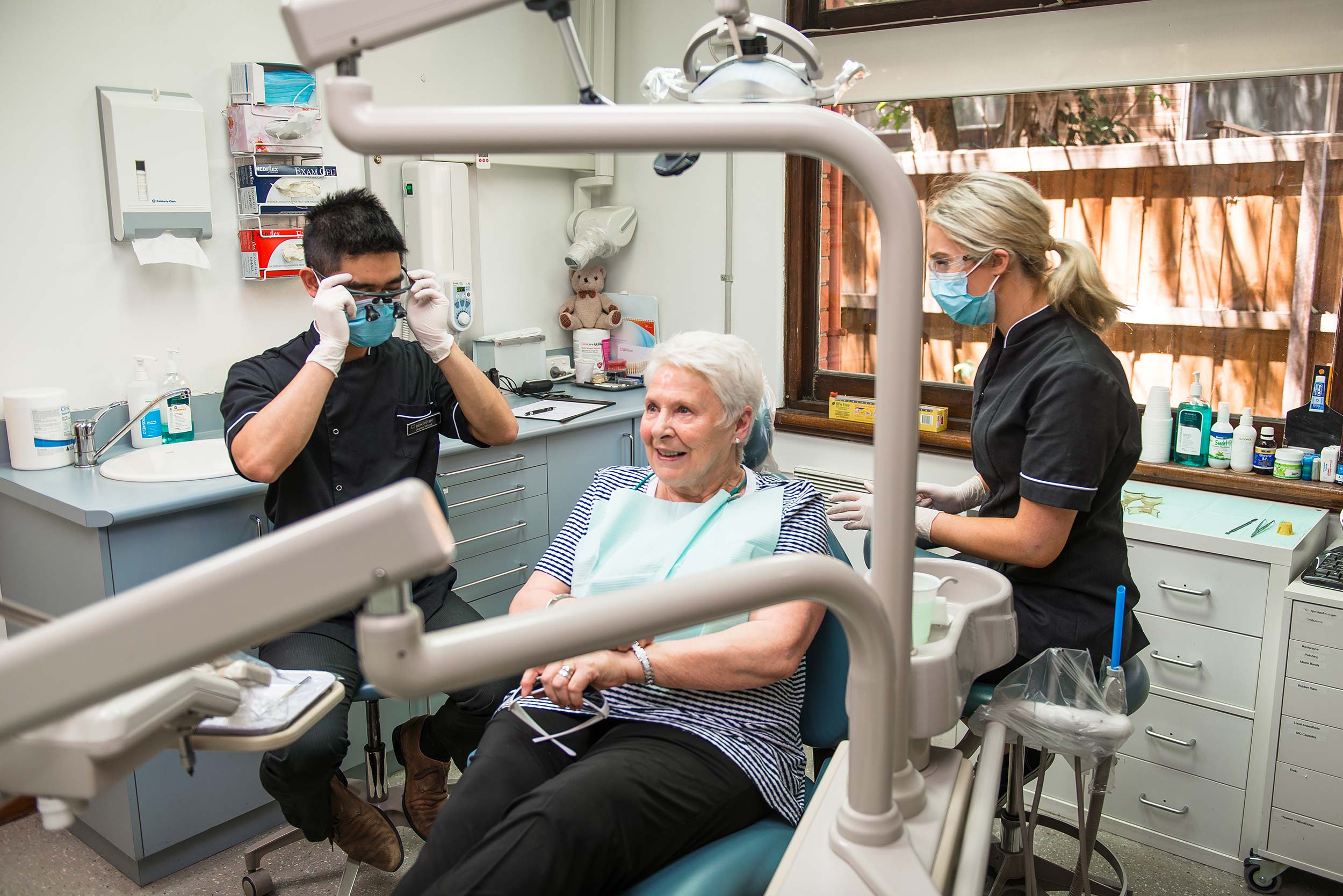
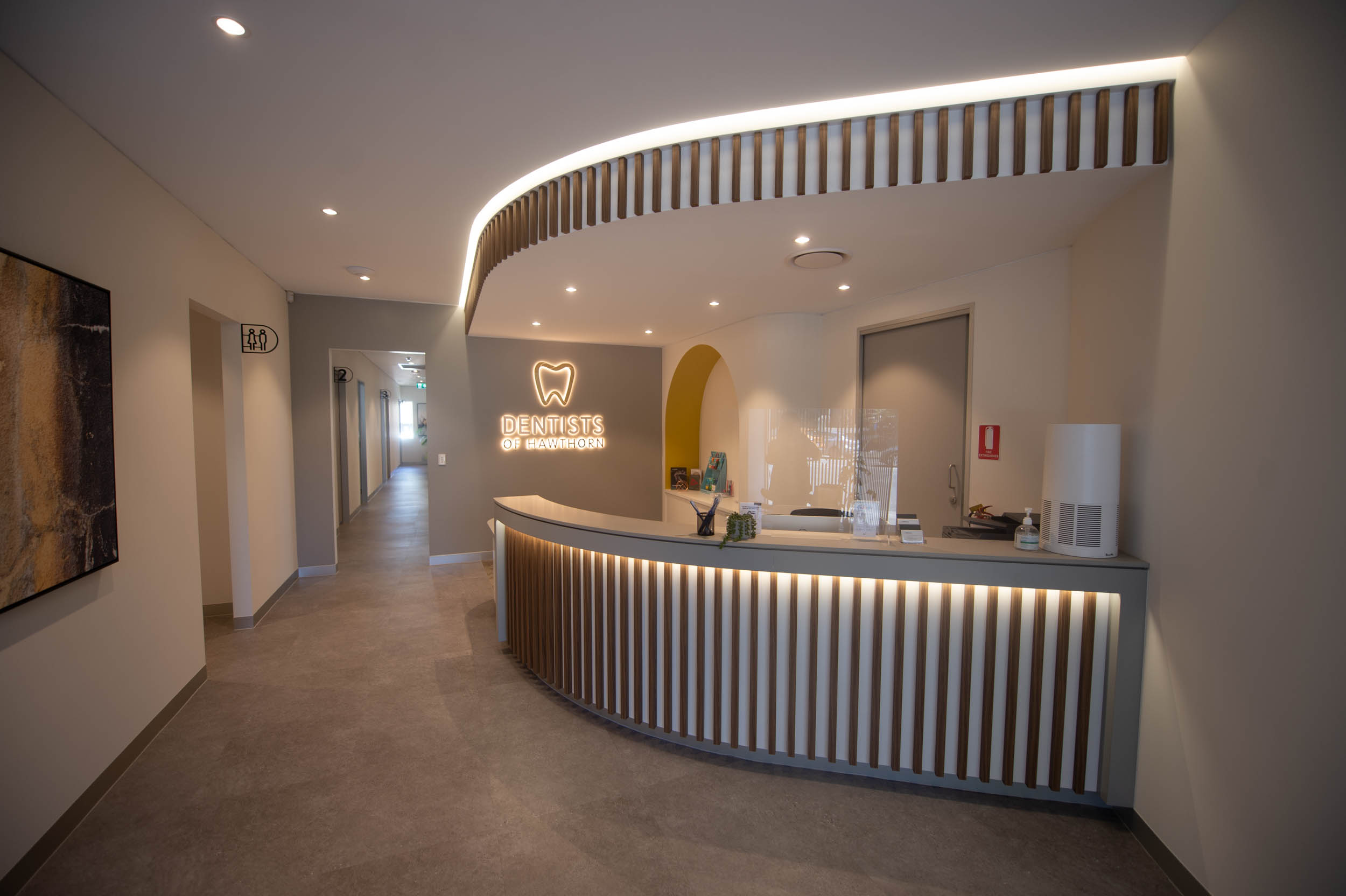
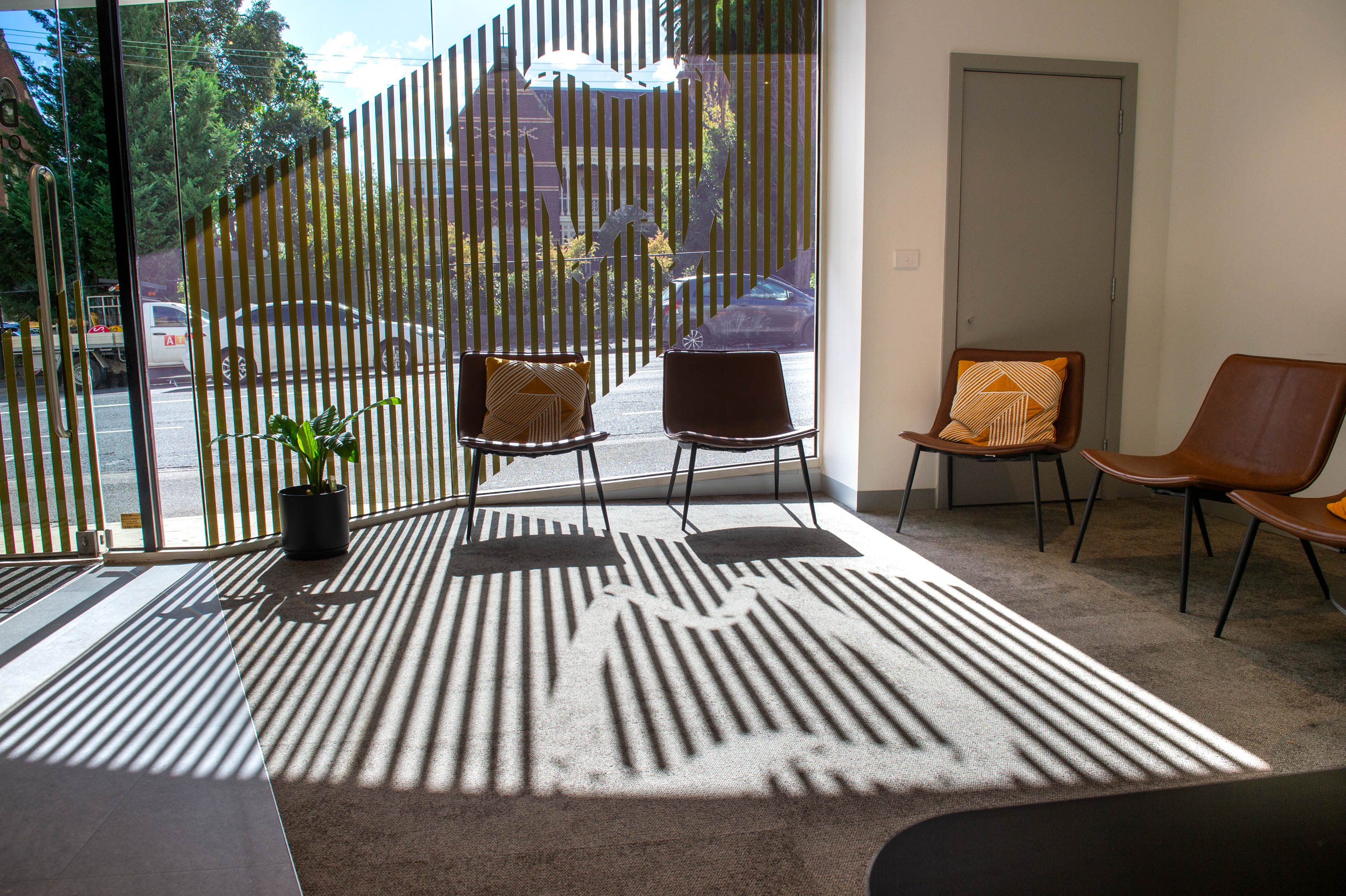
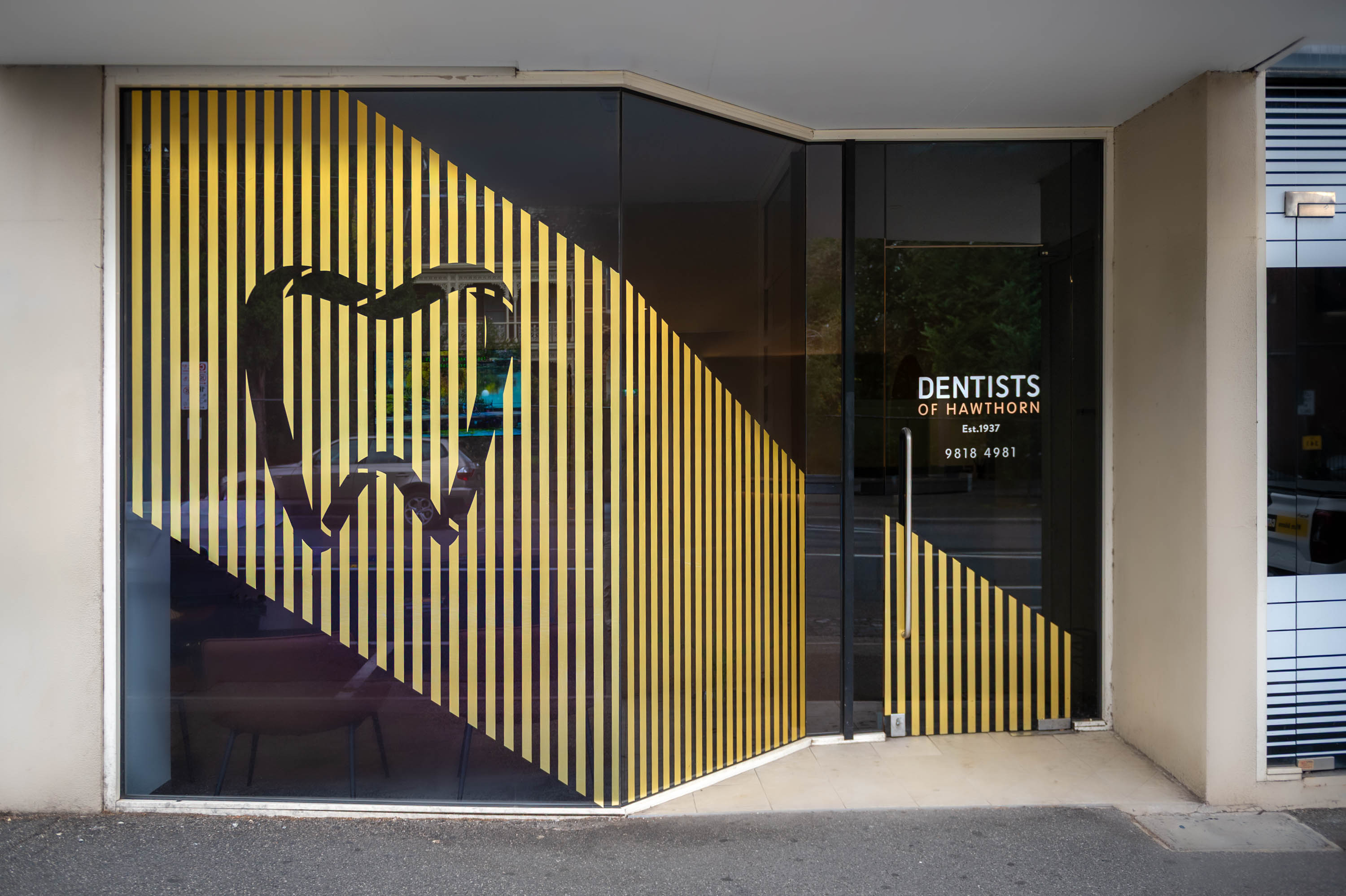
Our clinic was designed with you in mind. From our welcoming reception and cosy waiting area to our modern treatment rooms, we've put thought into every detail to ensure you feel comfortable and at ease throughout your visit. We're proud to call this space our home and we hope you feel that warmth every time you walk through our doors.

About

Dental Appliances

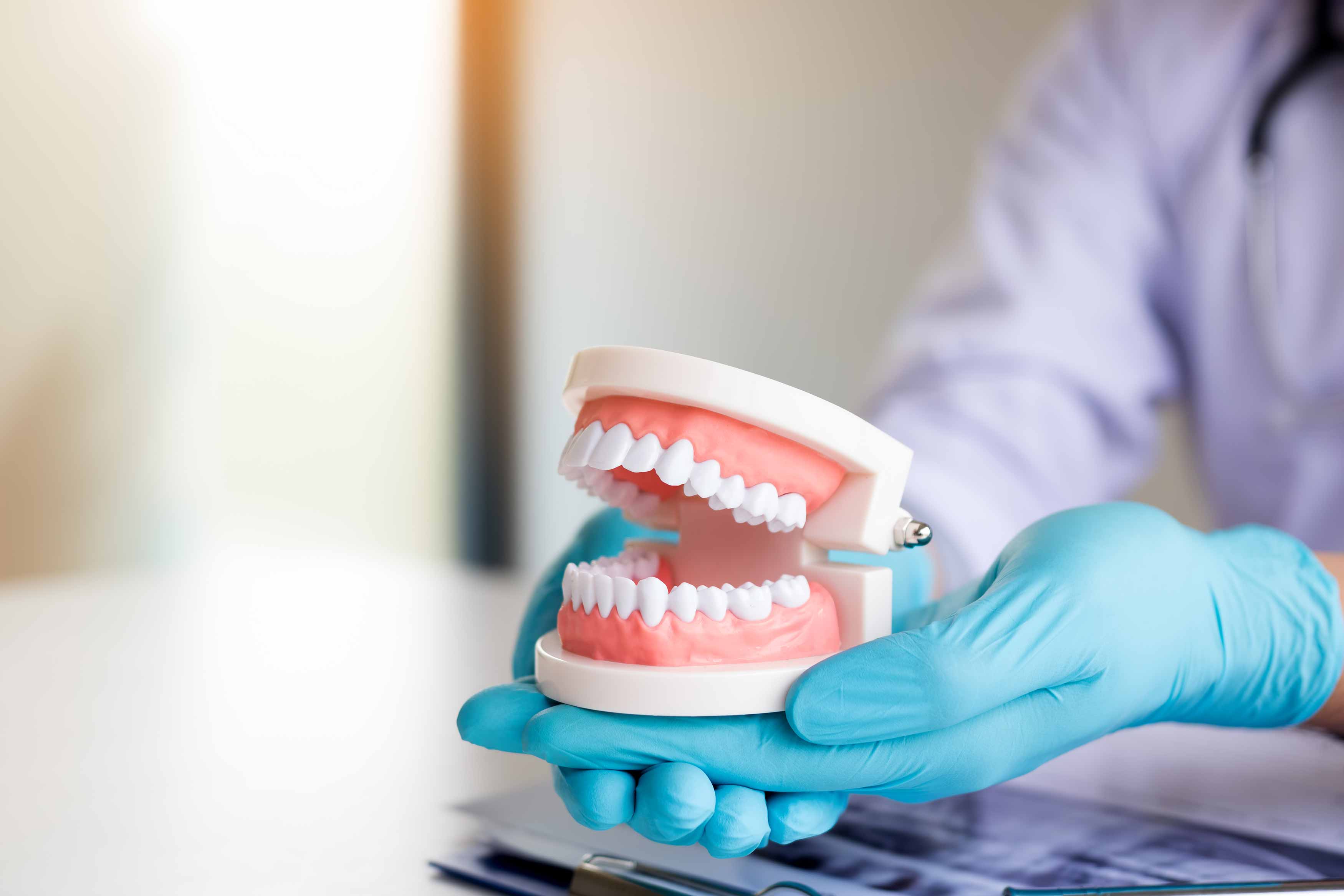
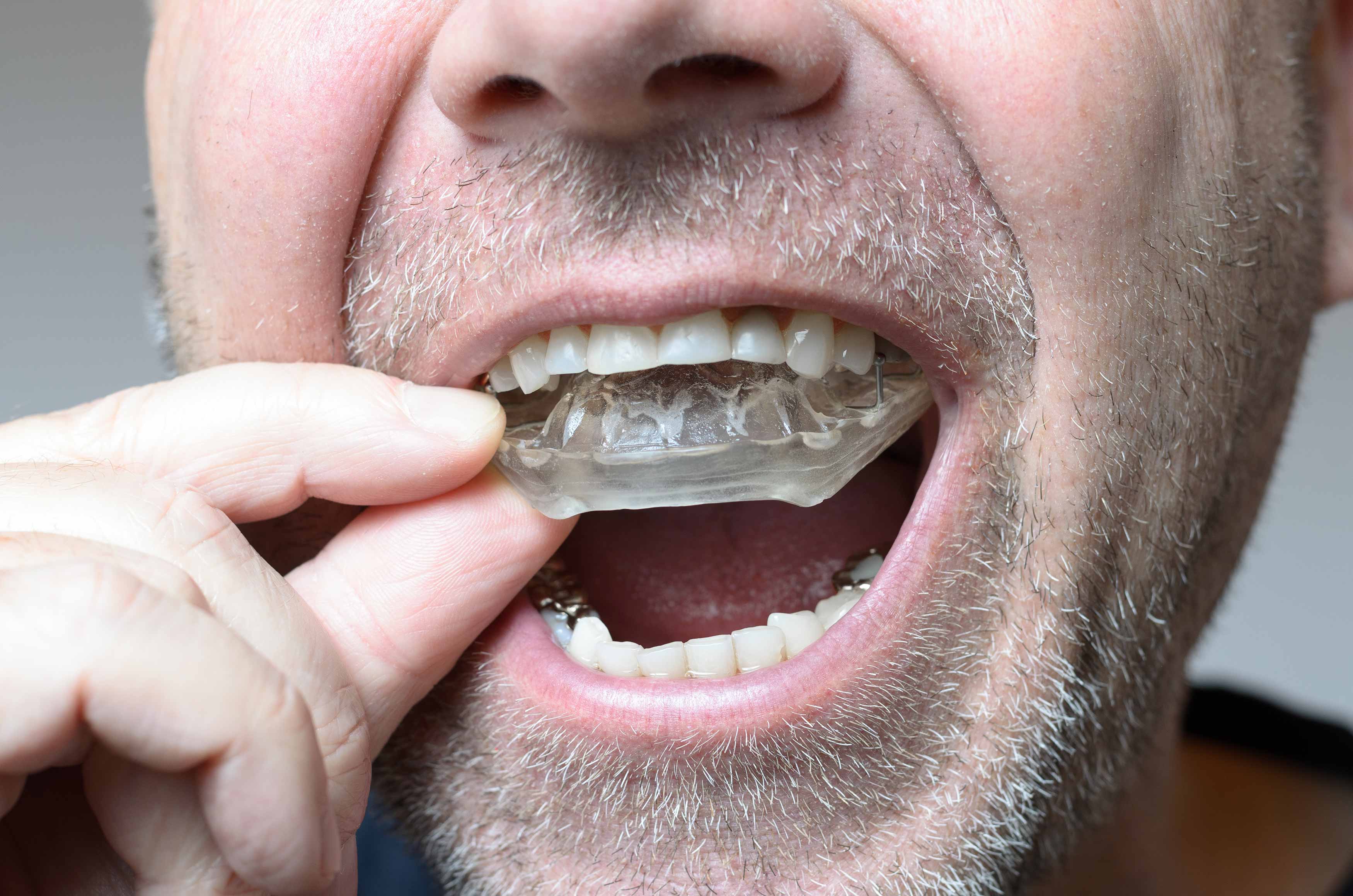
Dental appliances are custom-made devices that can help with a bunch of different issues. You might need one to stop snoring or manage sleep apnoea by keeping your airway open while you sleep. They can also protect your teeth if you grind or clench at night, or help straighten your teeth or fix jaw alignment. Your dentist will let you know if one’s right for you and which type would work best.

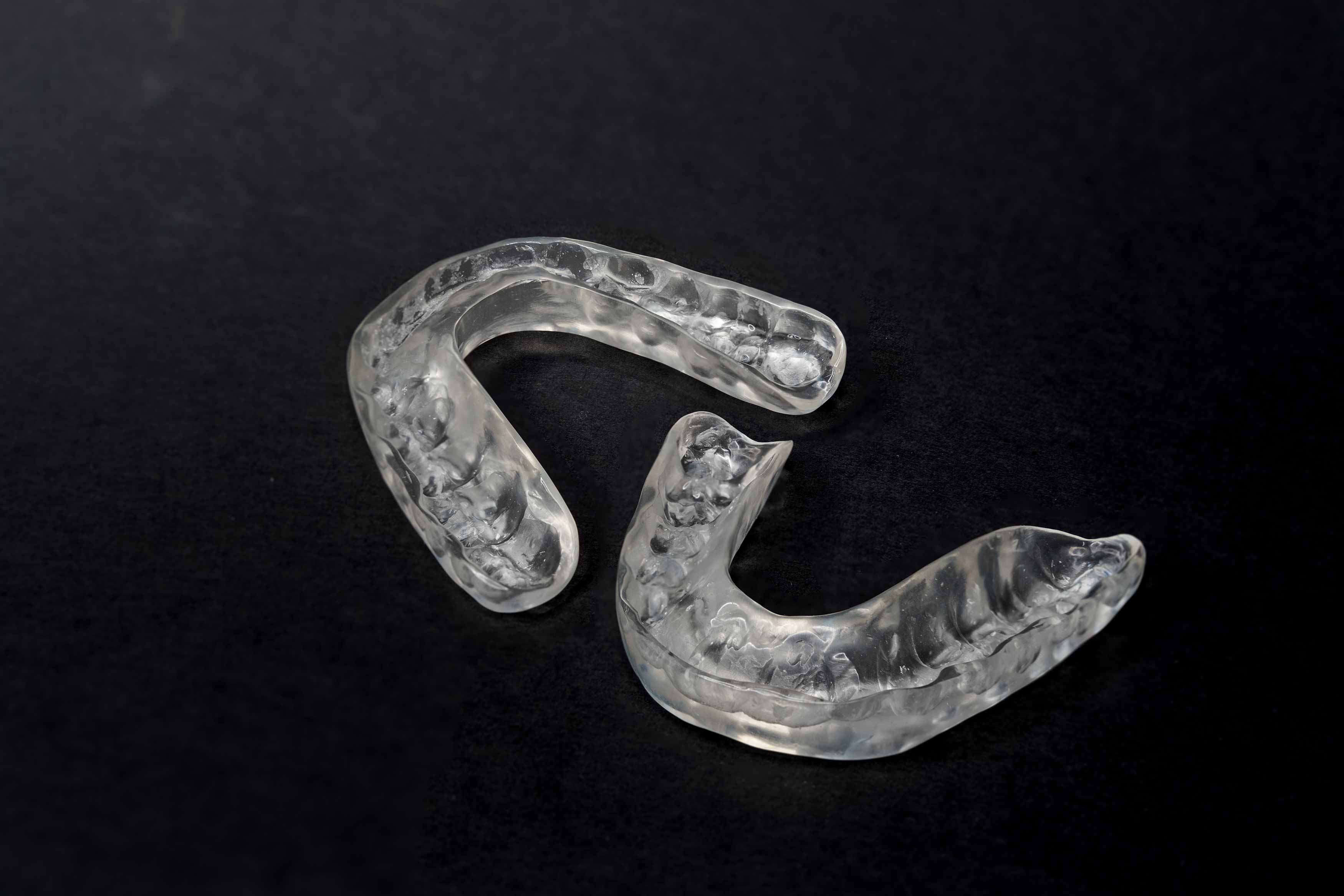
A dental appliance placed in someone's mouth to help with noctural bruxism and grinding
Tooth Icon with a shell around it

Why might I need

Dental Appliances

?

You may require a dental appliance for a variety of reasons. Dental appliances are used to treat conditions such as snoring and sleep apnoea, where the appliance helps keep your airway open during sleep. Dental appliances are also used to prevent damage from teeth grinding or clenching, which can lead to tooth damage and other dental problems. In some cases, a dental appliance may be used to correct jaw alignment issues or to straighten teeth. Your dentist can help determine if a dental appliance is necessary for your specific dental needs and recommend the appropriate type of appliance for you.

Photo of a boy holding up a removal dental expander
Photo of a smiling man holding an occlusal splint , looking like he is about to put it in his mouth
Tooth Icon with a shell around it

Different approaches to

Dental Appliances

Dental appliances are designed in different ways depending on the conditions you may be experiencing.

For keeping teeth aligned

Dental appliances are commonly made when you  have completed orthodontic treatment and are ensuring your teeth remain straight over the long term. These appliances are known as retainers and have various designs related to the previous position of your teeth and the movements your dentist or orthodontist is trying to prevent.

For straightening teeth

Dental appliances can be made for patients with crooked teeth or jaws following a comprehensive orthodontic assessment. These appliances have a wide range of designs and constructions depending on the specific movements that are required for your teeth or jaws. These may be required for either your upper, lower, or normally both sets of teeth.

For snoring and sleep apnoea

Dental appliances are made for patients diagnosed with simple snoring or obstructive sleep apnoea. These conditions are diagnosed following a sleep study and you may be recommended by a sleep or respiratory physician to have a dental appliance made to treat these conditions. These appliances are made to bring your lower jaw forward and keep your airway open, allowing you to breathe properly in your sleep.

For protecting teeth

Dental appliances are made for protecting your teeth and jaws where you may be clenching or grinding your teeth leading to premature wear of your teeth, or potential fracture and chipping of your teeth. These protective dental appliances also can be designed to reduce the forces that your jaw muscles place on your teeth or jaw joints to help relieve jaw pain.


Tooth Icon with a shell around it

What is involved for

Dental Appliances

Here are we make dental appliances at Dentists of Hawthorn

1

Check teeth and gums

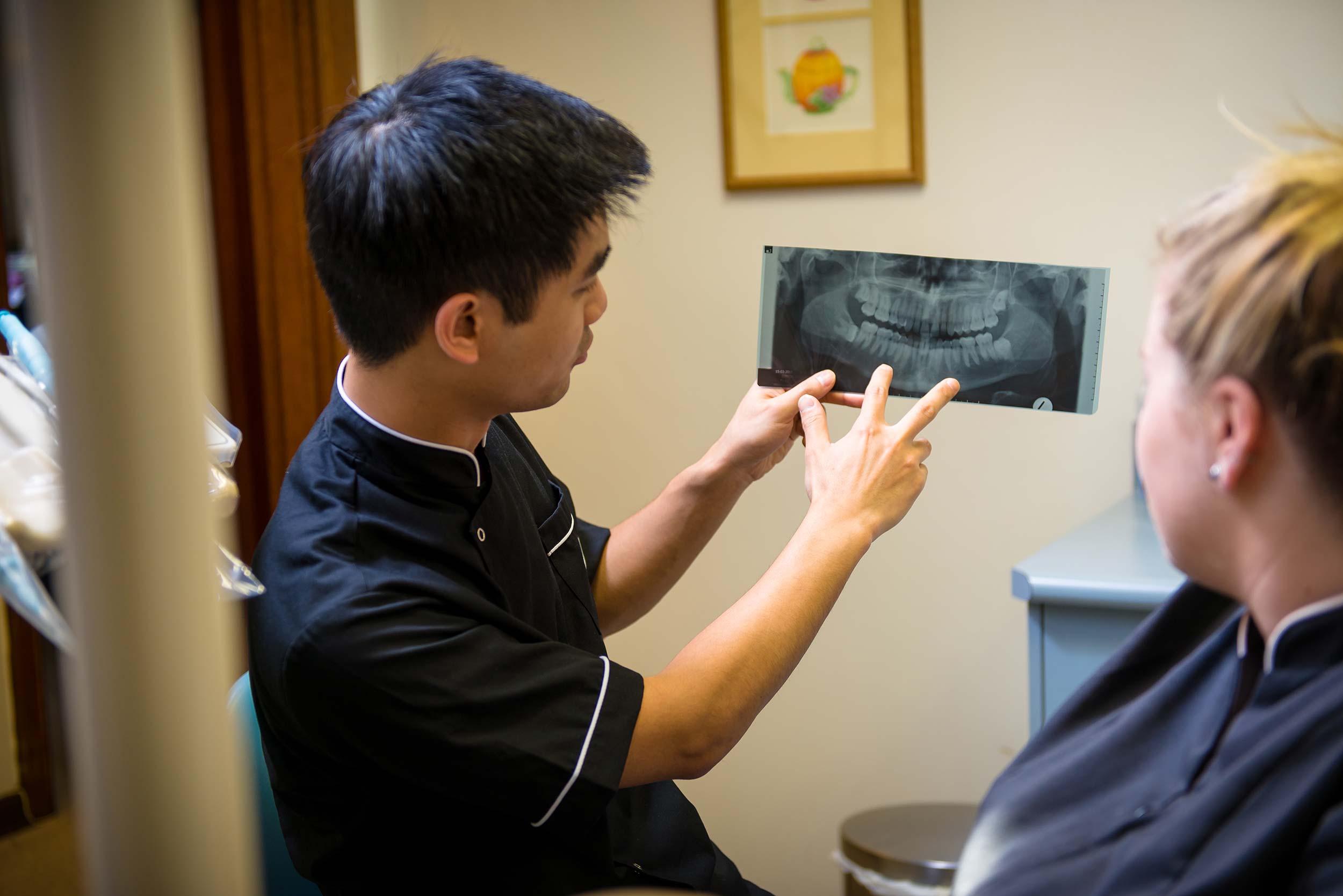
Your dentist will perform a thorough examination of your teeth and gums to ensure that they are healthy and suitable for fitting of a dental appliance. This may also involve x-rays of your teeth to check for cavities or gum disease as these issues would need to be addressed before many appliances can be made for you.

2

Scans and records of teeth

Records of your teeth are taken for your appliances to be designed and manufactured. This involves 3D scanning technology to create a digital record of your teeth and gums. Other records possibly required are digital photographs of your smile and teeth, full mouth x-rays, measurements of your jaw movements and pre-treatment questionnaires.

3

Manufacture and design appliance

Once your records have been assessed, they are sent for digital design and manufacturing. Most of our dental appliances are designed and made locally in Melbourne, while some more specialised appliances may be manufactured overseas. Appliances can take anywhere from a few hours, to a few weeks to be manufactured and delivered.

4

Fit, adjust and issue appliance

Once your dental appliance has been received, your dentist will arrange an appointment to ensure the appliance is comfortable, fits well, and is suitably adjusted for your condition. You will also shown how to correctly use, clean and care for the appliance at this visit. For some appliances, you may need to return after a few weeks to review their progress and condition.

Placeholder
Tooth Icon with a shell around it

How could

Dental Appliances

help me?

A dental appliance, such as a nightguard or splint, can help by providing a protective barrier between your teeth, preventing the negative effects of teeth grinding or clenching. This includes reducing wear on tooth surfaces, minimizing stress on the jaw joints and muscles, and potentially alleviating associated issues like headaches or jaw pain.

Retainers and aligners are orthodontic devices designed to straighten teeth or maintain their alignment. Aligners, like Invisalign, gradually shift teeth into the desired position, while retainers help maintain the new alignment after orthodontic treatment. Both devices contribute to improved aesthetics, bite function, and long-term dental health by addressing issues such as crooked teeth or misalignment.

Tooth Icon with a shell around it

FAQ's about

Dental Appliances

What should I do if I have a broken tooth?

How long do Dental Appliances last?

Will I stop snoring?

Will wearing one put stress on my jaw joint?

Book an Appointment

Open hours
Monday
8:00am - 5:00pm
Tuesday
8:30am - 7:30pm
Wednesday
9:00am - 5:00pm
Thursday
9:00am - 6:30pm
Friday
7:30am - 5:00pm
Saturday
8:00am - 1:00pm