



















Looking for the best dentist to help with

Tooth Decay

near

Mont Albert

?

We're the top reviewed Dentist near

Mont Albert

and are experts in helping you with

Tooth Decay

. Check out our Google reviews, have a look around our website, and see if you think we'd be a good fit for you and your family?

We are 2 suburbs away from Mont Albert and only a 15 min drive.

Give us a call here to discuss any questions you have.

How to get here

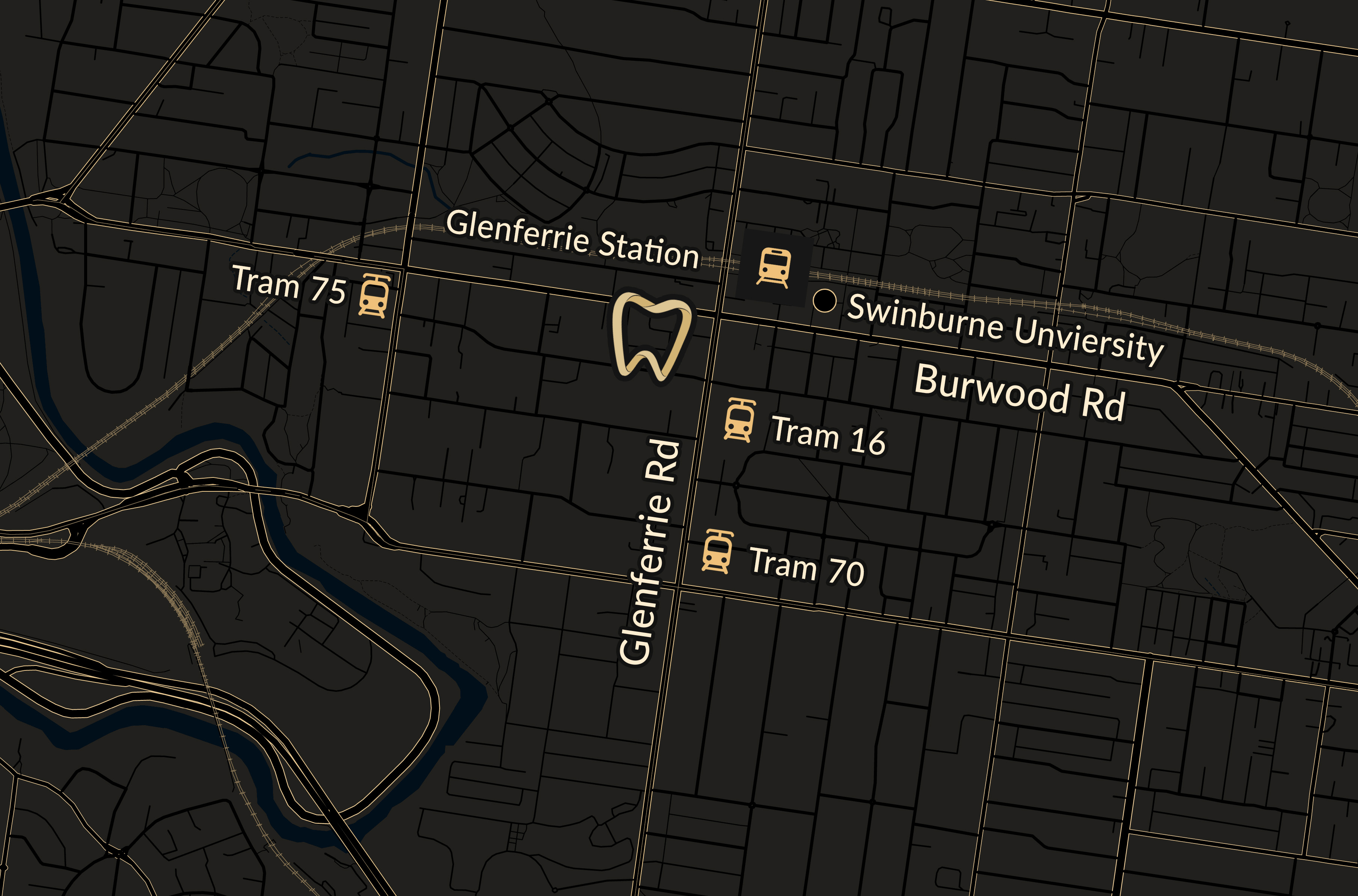
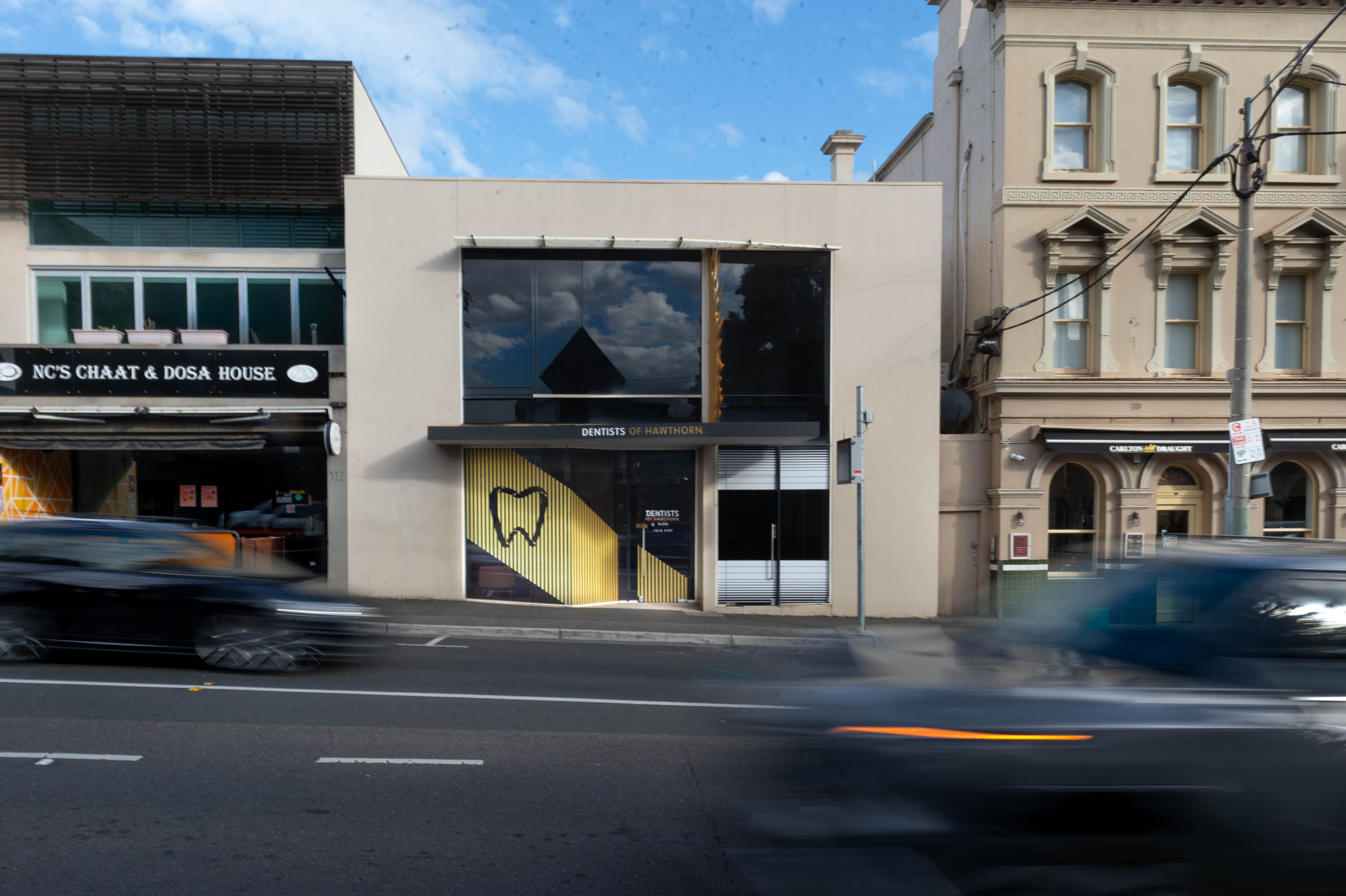
To reach us by train, take  any city-bound train. After a short train ride, we are just a five-minute walk from Glenferrie Train Station.

Ample parking in front and surrounding our clinic if you are driving.

Our Clinic

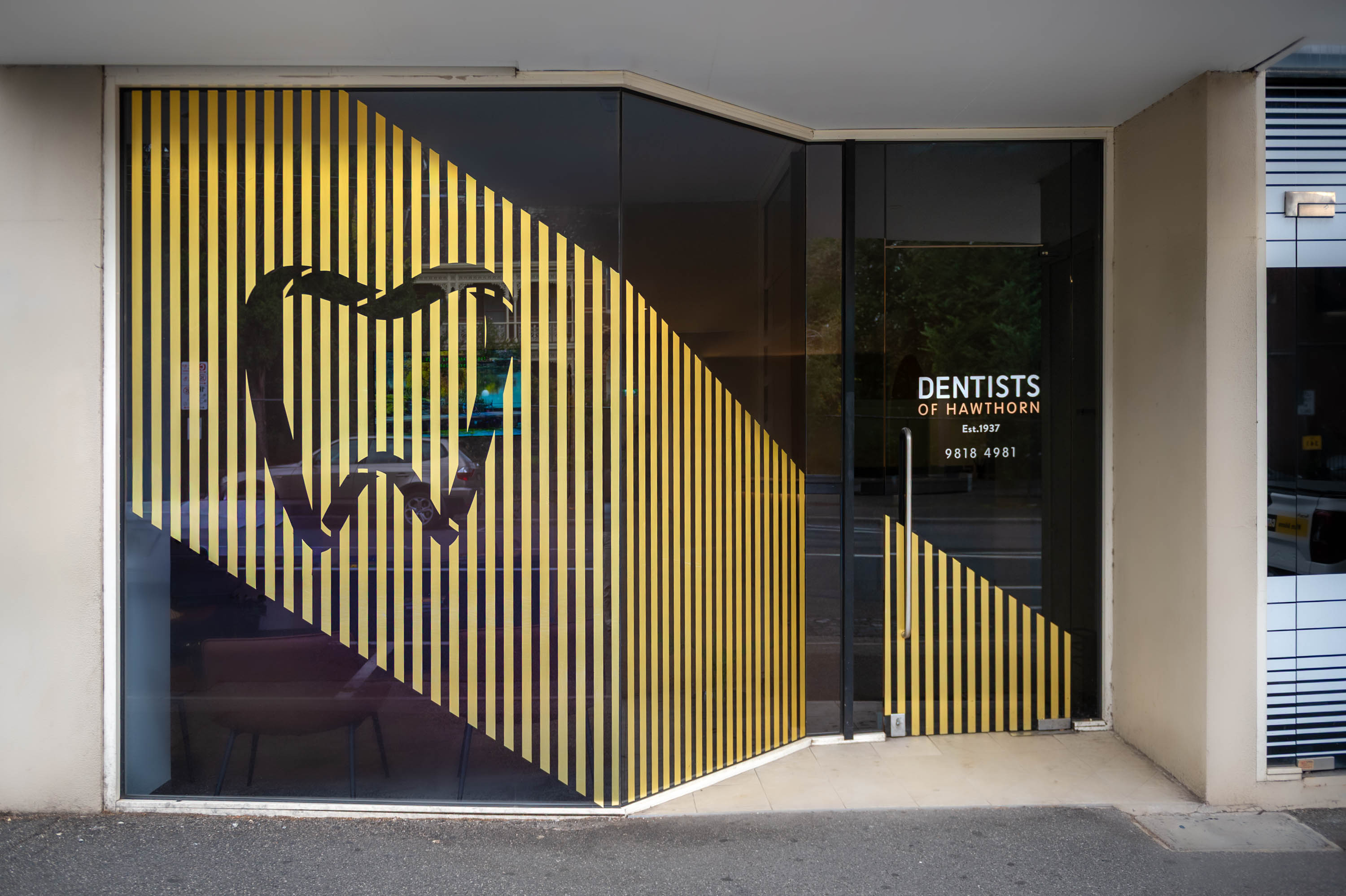
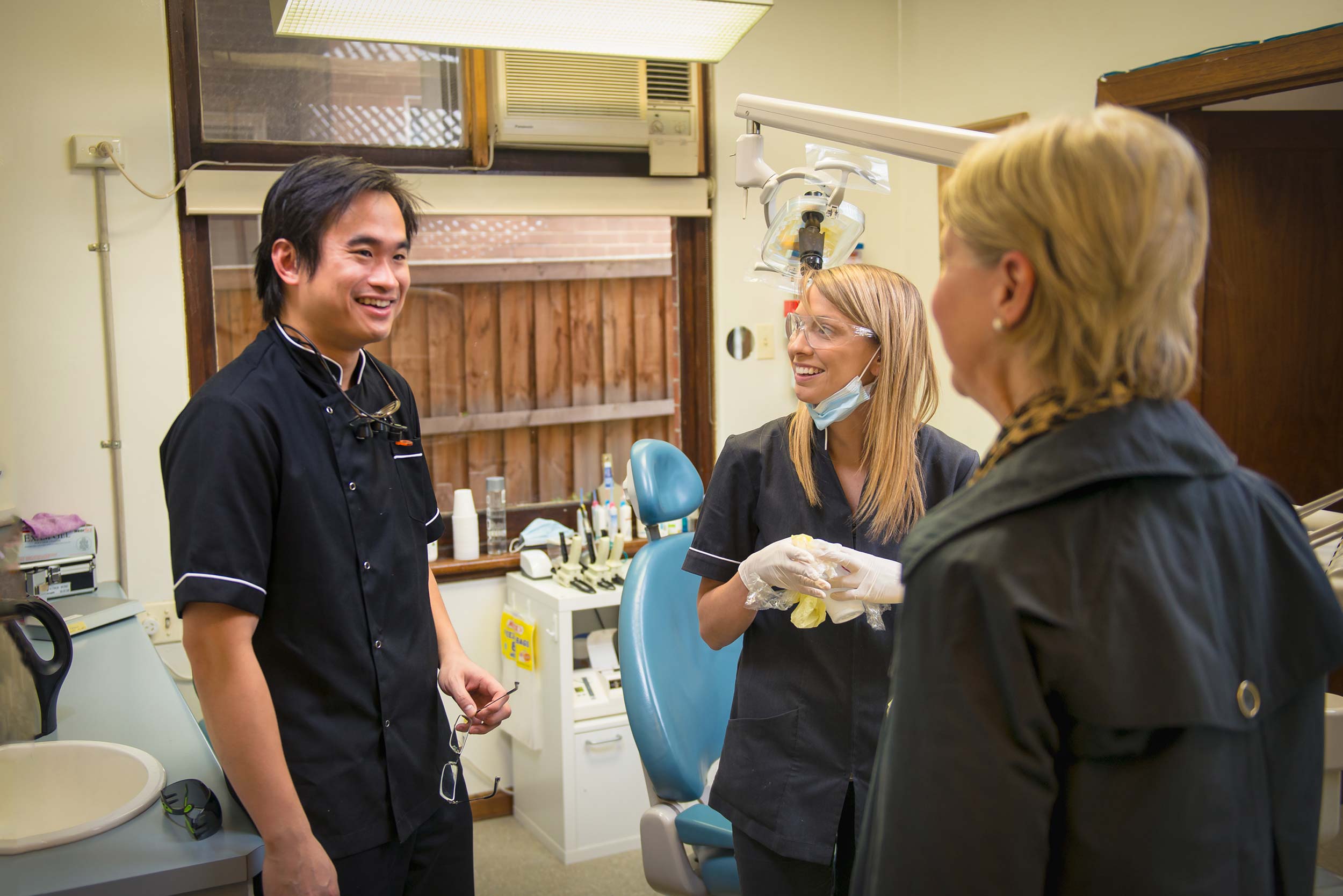
Our clinic was designed with you in mind. From our welcoming reception and cosy waiting area to our modern treatment rooms, we've put thought into every detail to ensure you feel comfortable and at ease throughout your visit. We're proud to call this space our home and we hope you feel that warmth every time you walk through our doors.

Tooth with holes in it

How do I know I have

Tooth Decay

?

Tooth decay, also known as dental caries or cavities, is a common dental problem characterized by the gradual deterioration of tooth enamel and underlying structures due to the acids produced by bacteria in the mouth.

You may have tooth decay if you experience symptoms like toothache, tooth sensitivity to hot or cold, visible holes or pits in your teeth, or if you notice dark spots or discoloration on your teeth. A dental examination is essential for an accurate diagnosis.

Photo for an asian female checking her teeth in concern incase she has a decayed tooth.
A photo of a man having toothache after eating an icecream
A photo of an older gentlemen holding his right jaw in pain after drinking water
Tooth with holes in it

Why do people get

Tooth Decay

?

Tooth decay starts with the formation of plaque, a sticky film of bacteria and food particles on the teeth. When sugars or carbohydrates in the diet are consumed, these bacteria feed on them and produce acids that erode the tooth enamel. Over time, this process can lead to the development of holes or cavities in the teeth.

A man holding his left jaw in pain because of a large tooth decay
Tooth with holes in it

What if

Tooth Decay

is left untreated?

Preventive measures such as good oral hygiene, a balanced diet, and regular dental check-ups are key to managing and preventing tooth decay.

If left untreated, tooth decay will  grow larger and cause issues such as:

Tooth Loss

Tooth decay may sometimes cause severe damage to the tooth or surrounding gum and bone which may be irrepairable. In these cases, removal of the tooth is required to prevent ongoing spread of infection and relief of pain.

Infection

Bacteria causing tooth decay may cause infection of the dental pulp. This can result in significant pain and toothache because of the growing infection. If left untreated, this infection may spread to surrounding areas of the tooth and cause destruction of gum and bone.

Pain

Tooth decay causes irritation, inflammation and infection to the dental pulp which sits within the tooth. The dental pulp contains nerves which create pain signals in response to the bacteria and other toxins caused by tooth decay.

Tooth with holes in it

Treatment approaches for

Tooth Decay

There are many different treatment approaches when it comes to tooth decay and each approach is unique to the individual. Some of the approaches include:

Reinforcement of damaged tooth

In cases of more extensive decay or damage, a dental crown or overlay may be necessary to restore the tooth's structure and function. These are made of stronger ceramic or metals which help to minimise the risk of chipping, breaking or fracture of the remaining tooth. This is also sometimes appropriate to improve the appearance of heavily damaged teeth.

Removing and restoration of damage

The decayed portion of the tooth is removed and replacing with a dental filling material. This generally requires numbing the tooth and surrounding area, drilling out the decayed material, and then filling the cavity with a suitable dental material.

Remineralisation

Where tooth decay is in its early stages and has not caused irreversible damage, your dentist may recommend remineralisation of the affected tooth. This utilises your body’s natural ability to repair damaged tooth structure by helping to ‘push’ minerals back into the damaged areas. This is performed by either professionally applied remineralising pastes or gels, and/or special toothpastes or creams for use at home.

Tooth with holes in it

FAQ's about

Tooth Decay

Will mouthwash help prevent decay?

Can decay cause bad breath?

My teeth have black spots, are these decay?

Tooth with holes in it

Other resources

These links provide additional information, tools or resources for those interested in exploring more.

Book an Appointment

Open hours
Monday
8:00am - 5:00pm
Tuesday
8:30am - 7:30pm
Wednesday
9:00am - 5:00pm
Thursday
9:00am - 6:30pm
Friday
7:30am - 5:00pm
Saturday
8:00am - 1:00pm