














Looking for the best dentist to help with

TMJ

near

Auburn

?

We're the top reviewed Dentist near

Auburn

and are experts in helping you with

TMJ

. Check out our Google reviews, have a look around our website, and see if you think we'd be a good fit for you and your family?

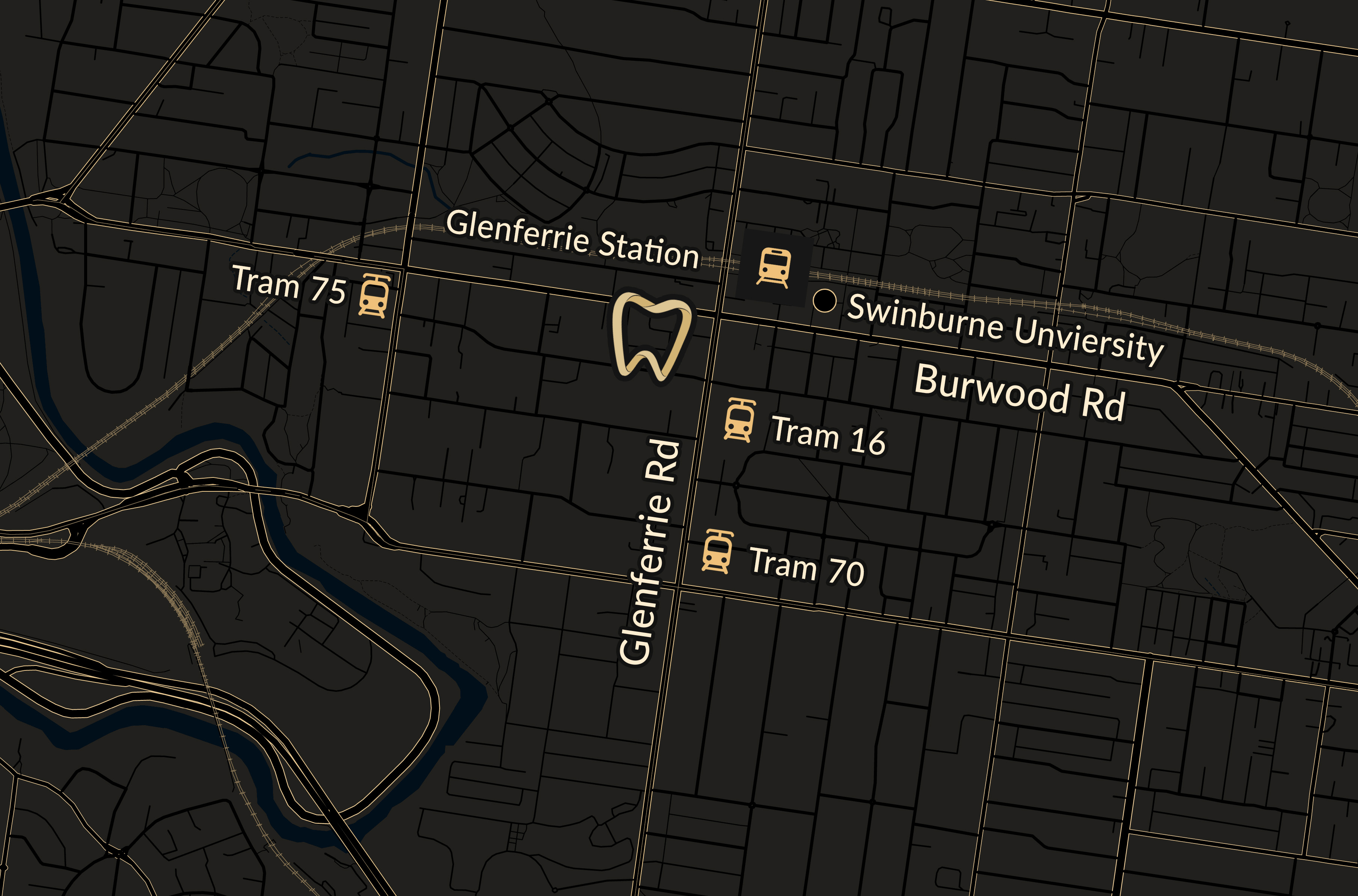
We are only 1 suburb away from Auburn and only less than 5 minutes.

Give us a call here to discuss any questions you have.

How to get here

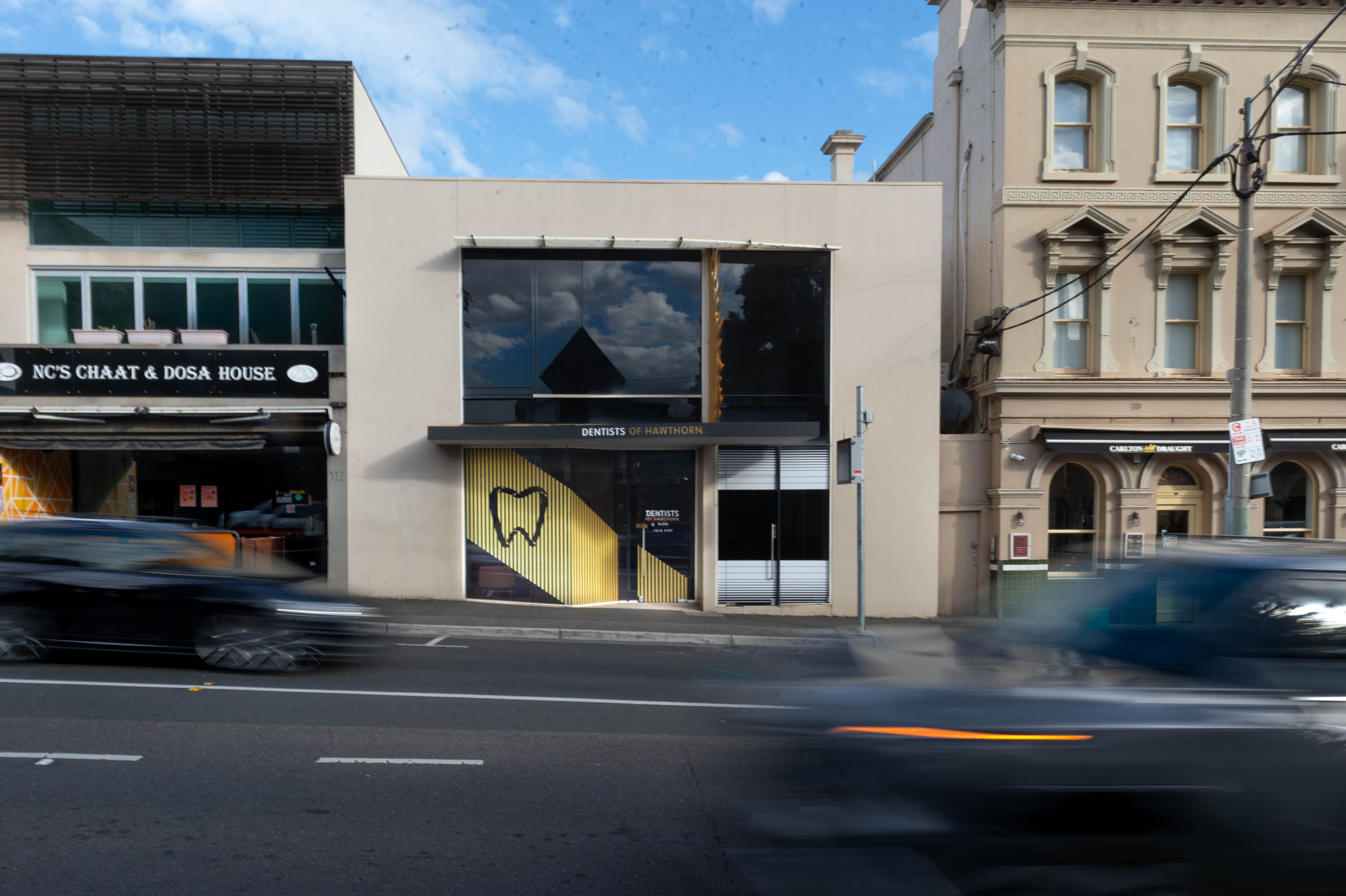
We are only one stop away from Auburn Train station and less than 5 minutes walk from Glenferrie Train Station.

Ample parking in front and surrounding our clinic if you are driving.

Our Clinic

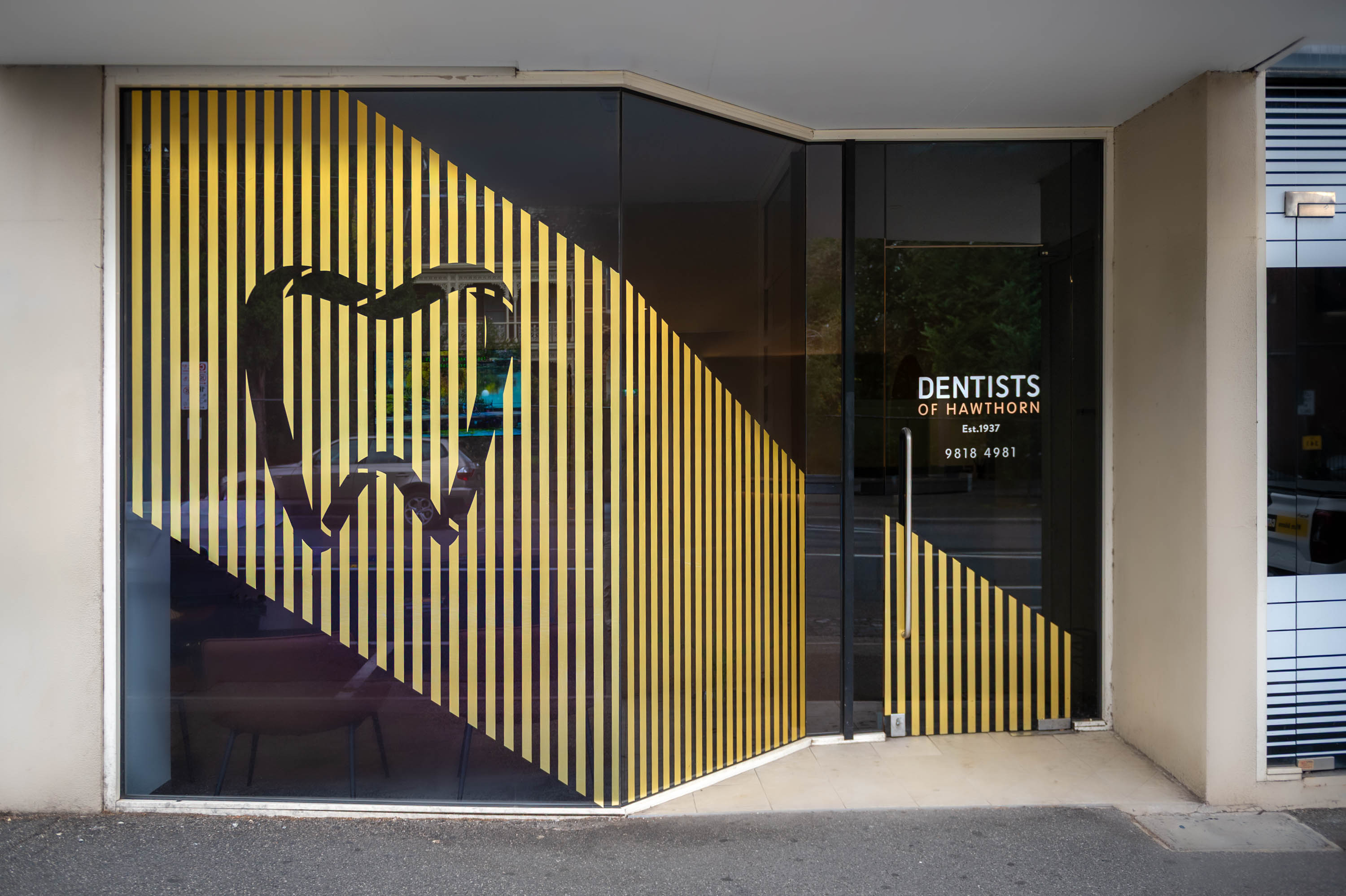
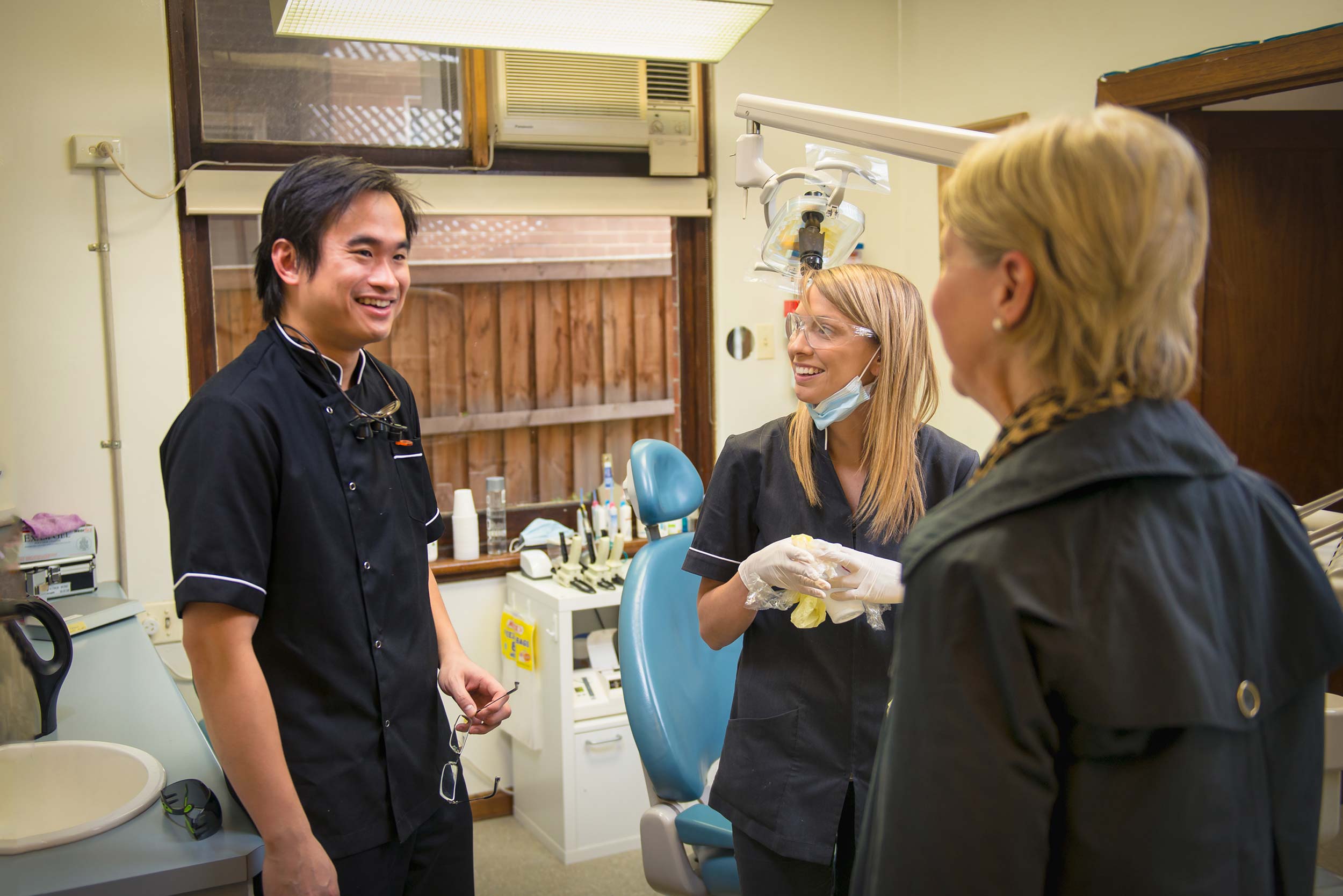
Our clinic was designed with you in mind. From our welcoming reception and cosy waiting area to our modern treatment rooms, we've put thought into every detail to ensure you feel comfortable and at ease throughout your visit. We're proud to call this space our home and we hope you feel that warmth every time you walk through our doors.

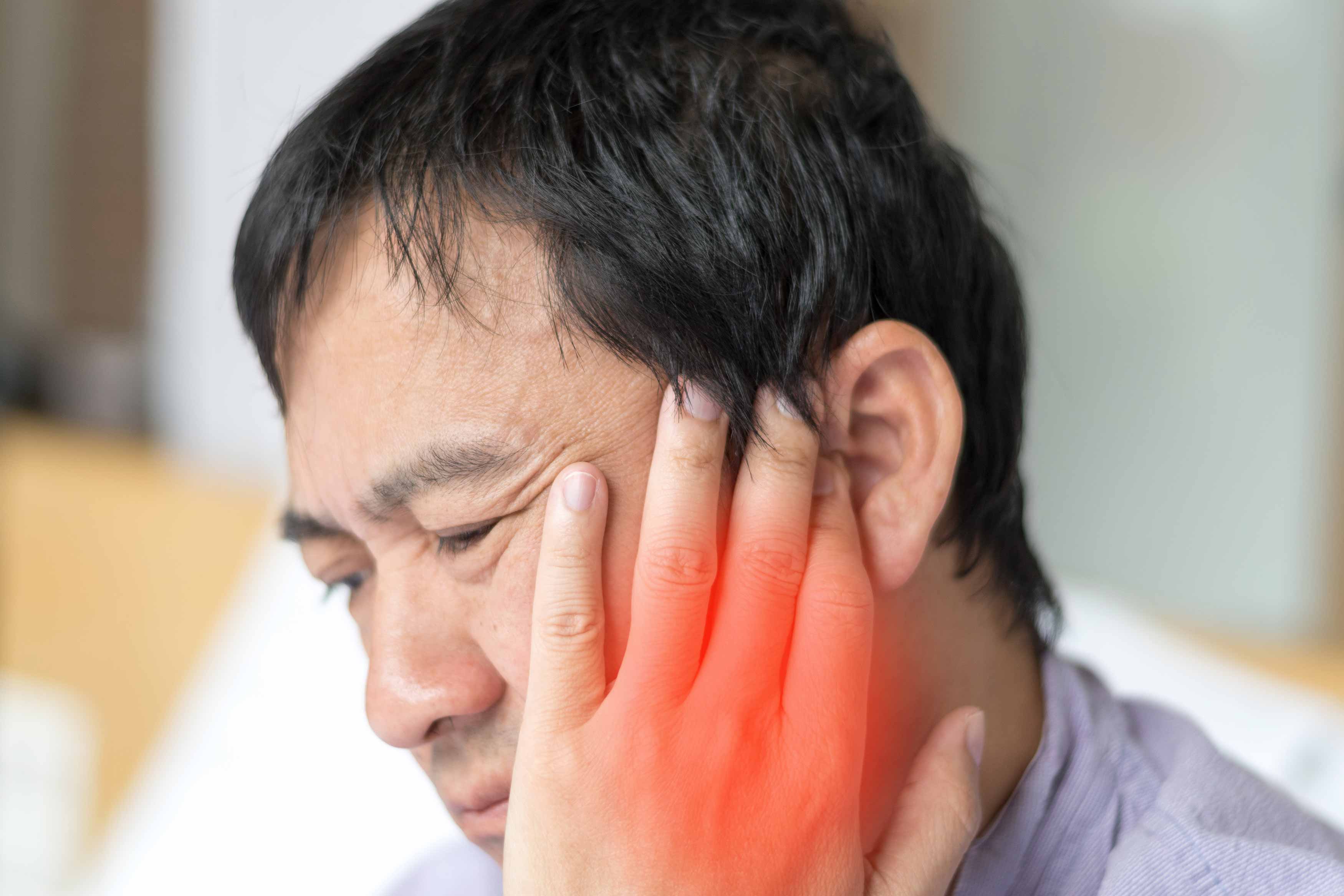
Icon of a male with TMJ pain

How do I know I have

TMJ

?

Temporomandibular joint (TMJ) dysfunction, also known as TMJ disorder or TMJD, is a condition that affects the temporomandibular joint, which connects the jawbone to the skull. It encompasses a range of problems that cause pain and dysfunction in the jaw joint and muscles controlling jaw movement.

Common symptoms of TMJ dysfunction include jaw pain, difficulty in opening or closing the mouth, clicking or popping sounds when moving the jaw, headaches, earaches, and facial pain.

Female holding her left jaw muscle because of radiating pain going up her left jaw masseter and tempolaris muscle
male holding his left jaw muscle because of radiating pain going up his left jaw masseter and tempolaris muscle
Female holding her left jaw muscle because of radiating pain going up her left jaw masseter and tempolaris muscle
Icon of a male with TMJ pain

Why do people get

TMJ

?

The exact causes of TMJ dysfunction can vary but may include factors like teeth grinding, jaw clenching, arthritis, injury to the jaw, or misalignment of the jaw or teeth. Treatment approaches can include lifestyle changes, physical therapy, dental appliances, pain management, and, in severe cases, surgery.

Female holding her right temporomandibular joint (TMJ) because of radiating pain going up her right temple
Icon of a male with TMJ pain

What if

TMJ

is left untreated?

Temporomandibular joint (TMJ) dysfunction, if left untreated, can gradually worsen and lead to further issues. Early diagnosis and management help prevent these symptoms from becoming chronic and harder to treat.

Dental issues

TMJ dysfunction can lead to problems in the alignment and positioning of the upper and lower teeth. This can lead to excessive force or movements being placed on certain teeth, which in turn may lead to pain, wear or fracture of teeth.

Worsening jaw function

TMJ dysfunction can lead to significant deterioration in the ability for the jaw joint to move or function correctly. In some cases, the condition of the joint deteriorates to a point where surgery may be required to attempt to resolve the problem.

Chronic pain

TMJ dysfunction can cause significant pain from either the jaw muscles or joint. In some cases, these symptoms can worsen and become harder to treat over time.
Icon of a male with TMJ pain

Treatment approaches for

TMJ

There are several approaches to managing TMJ dysfunction. Choosing the right approach depends on the underlying cause and severity of the condition.

Surgical interventions

In severe cases, you may need treatment with a maxillofacilal surgeon to treat the jaw joint surgically to correct underlying issues.

Medications

Your dentist or specialist may recommend medications to help with relief of pain and inflammation, muscle relaxants or a combination of these. These can be either in the form of tablets or injections.

Dental appliances

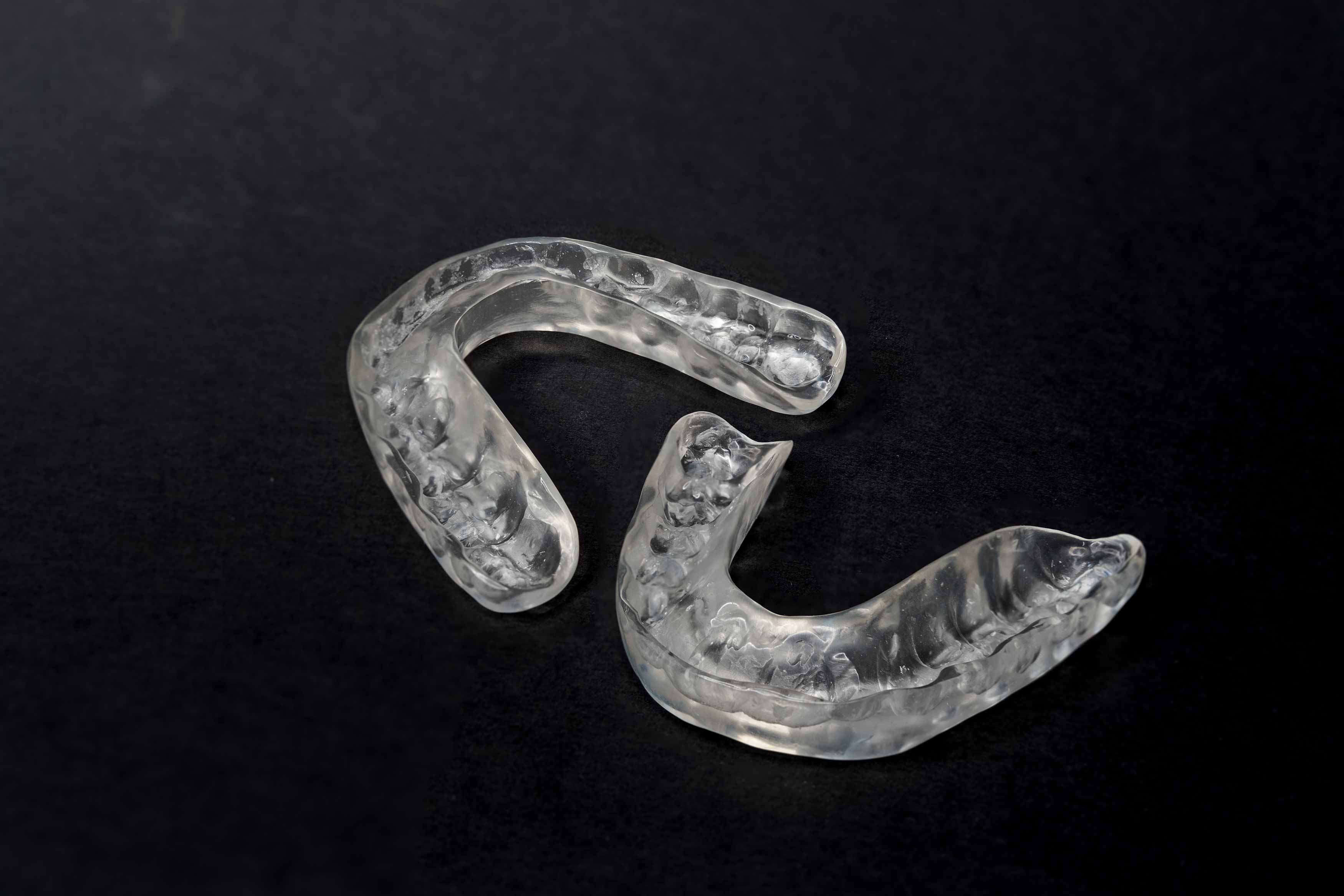
Dental appliances for TMJ dysfunction include bite splints, mouthguards, or orthodontic devices. They help alleviate symptoms by promoting proper jaw alignment, reducing teeth clenching or grinding, and relieving pressure on the temporomandibular joint.

Physiotherapy

Your dentist or specialist may recommend visiting a physiotherapist with special interest in TMJ treatment for physical therapy, and exercises to improve supporting muscles.

Self-care

Measures like eating soft foods, applying ice or heat, and avoiding jaw-clenching habits can improve TMJD symptoms.

Possible
Solutions

Icon of a male with TMJ pain

FAQ's about

TMJ

What should I do if I have a tooth ache?

Can I just use my sports mouthguard for my TMD?

Will I ever be cured from TMJ dysfunction?

Will I be able to chew hard food?

Book an Appointment

Open hours
Monday
8:00am - 5:00pm
Tuesday
8:30am - 7:30pm
Wednesday
9:00am - 5:00pm
Thursday
9:00am - 6:30pm
Friday
7:30am - 5:00pm
Saturday
8:00am - 1:00pm