





















Looking for the best dentist to help with

Sleep Apnoea

near

Canterbury

?

We're the top reviewed Dentist near

Canterbury

and are experts in helping you with

Sleep Apnoea

. Check out our Google reviews, have a look around our website, and see if you think we'd be a good fit for you and your family?

We are just 1 suburb away from Canterbury and only a 10 min drive.

Give us a call here to discuss any questions you have.

How to get here

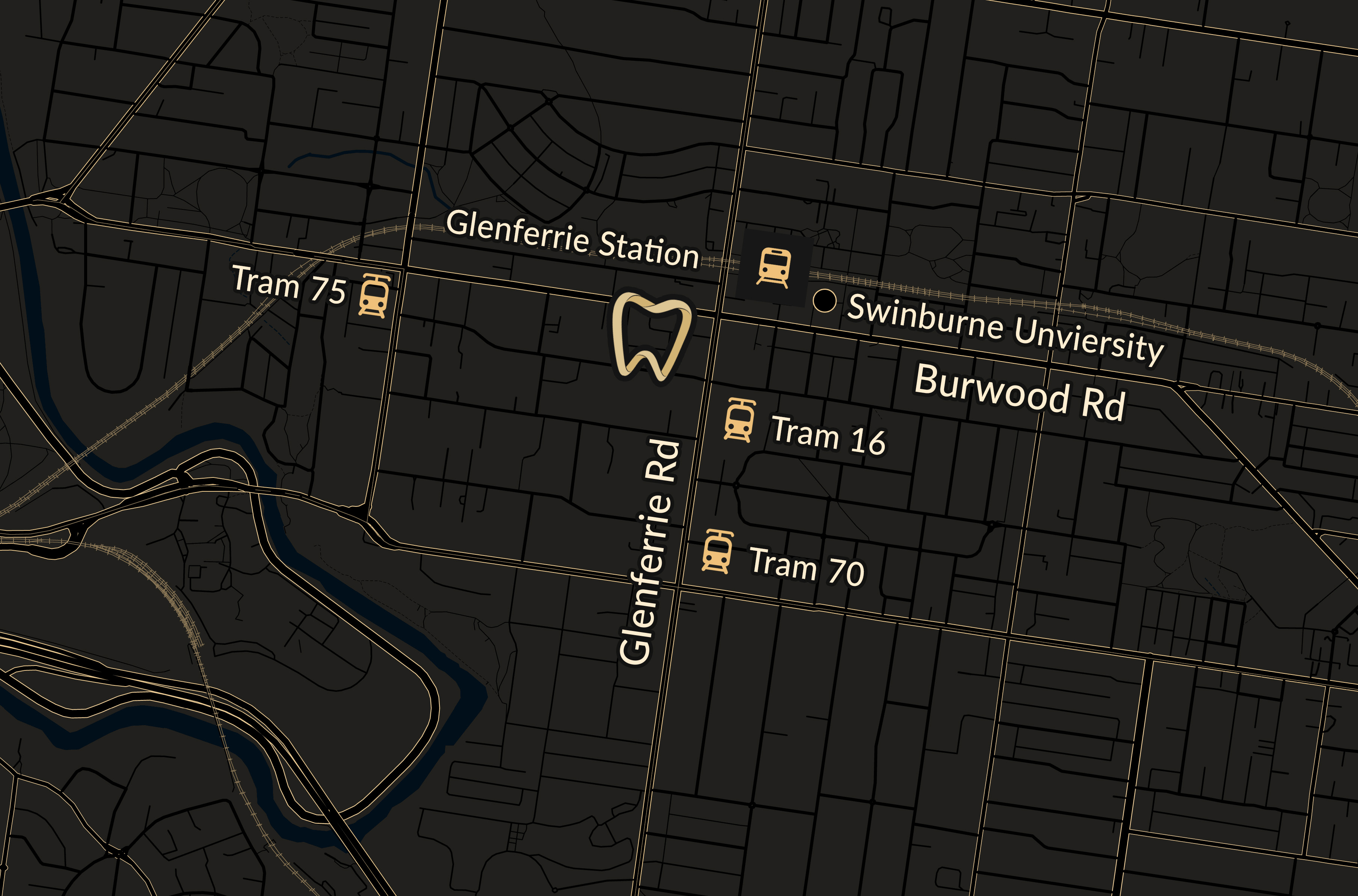
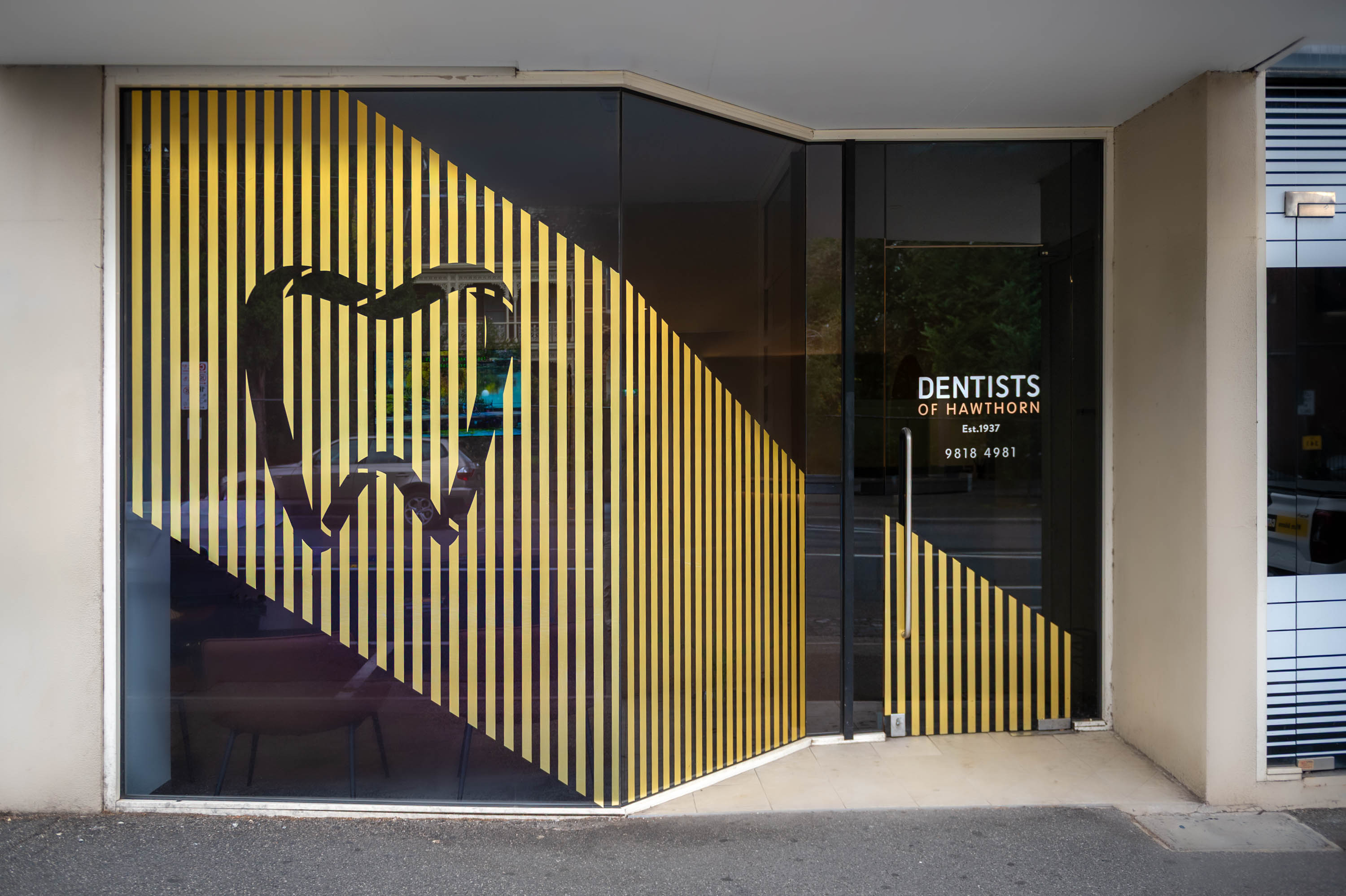
To reach us by train, take  any city-bound train. After a short ride of 3 stops, we are just a five-minute walk from Glenferrie Train Station.

Ample parking in front and surrounding our clinic if you are driving.

Our Clinic

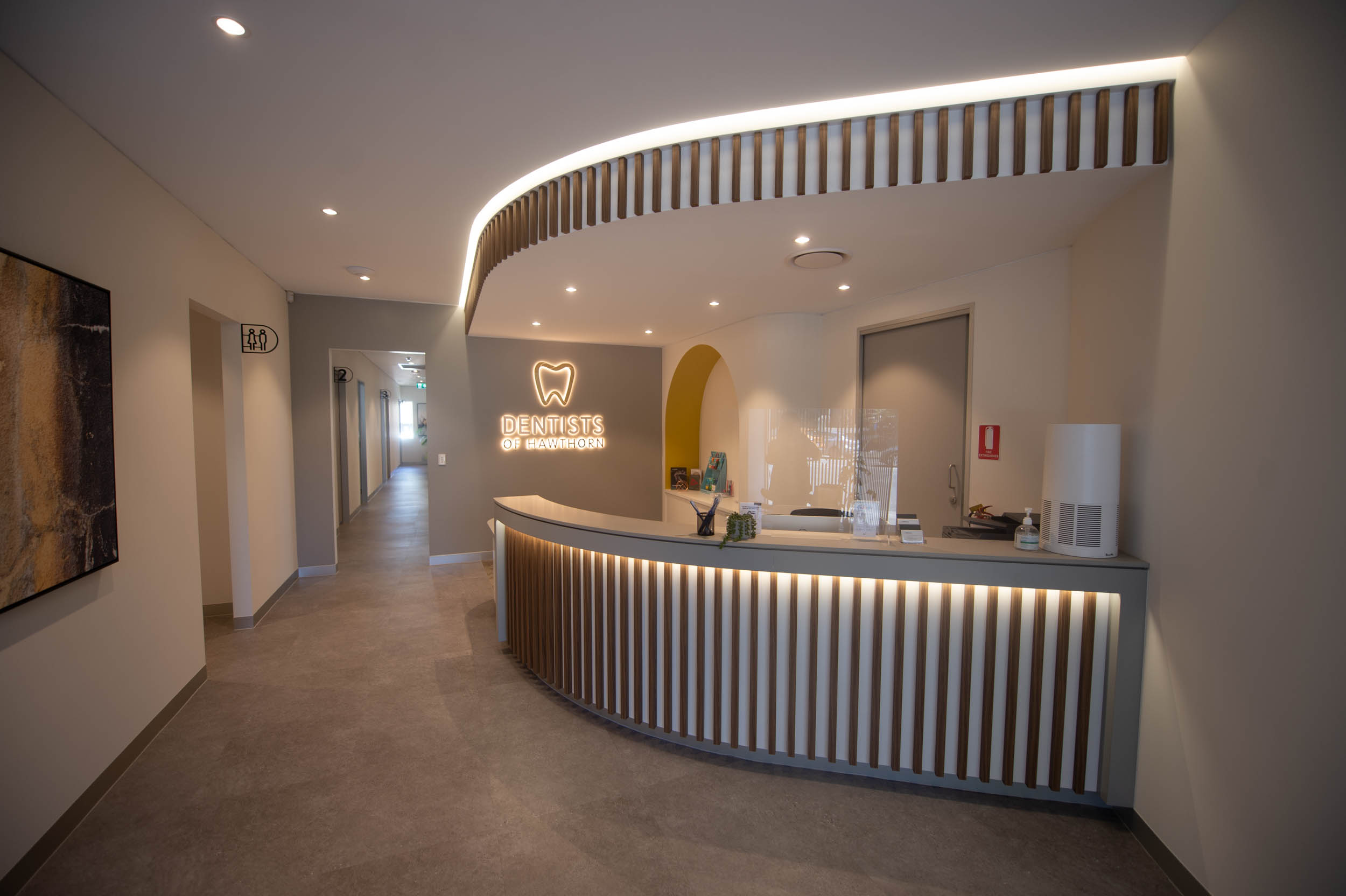
Our clinic was designed with you in mind. From our welcoming reception and cosy waiting area to our modern treatment rooms, we've put thought into every detail to ensure you feel comfortable and at ease throughout your visit. We're proud to call this space our home and we hope you feel that warmth every time you walk through our doors.

Tooth icon on a hospital

How do I know I have

Sleep Apnoea

?

Sleep apnea is a condition where your breathing is significantly reduced or stops completely during sleep. It’s a common issue in Australia and can lead to serious health problems if left untreated. Symptoms often include snoring, unrefreshing sleep, and daytime sleepiness. Many people with sleep apnea have struggled with these issues for years, preventing them from getting a restful night’s sleep.

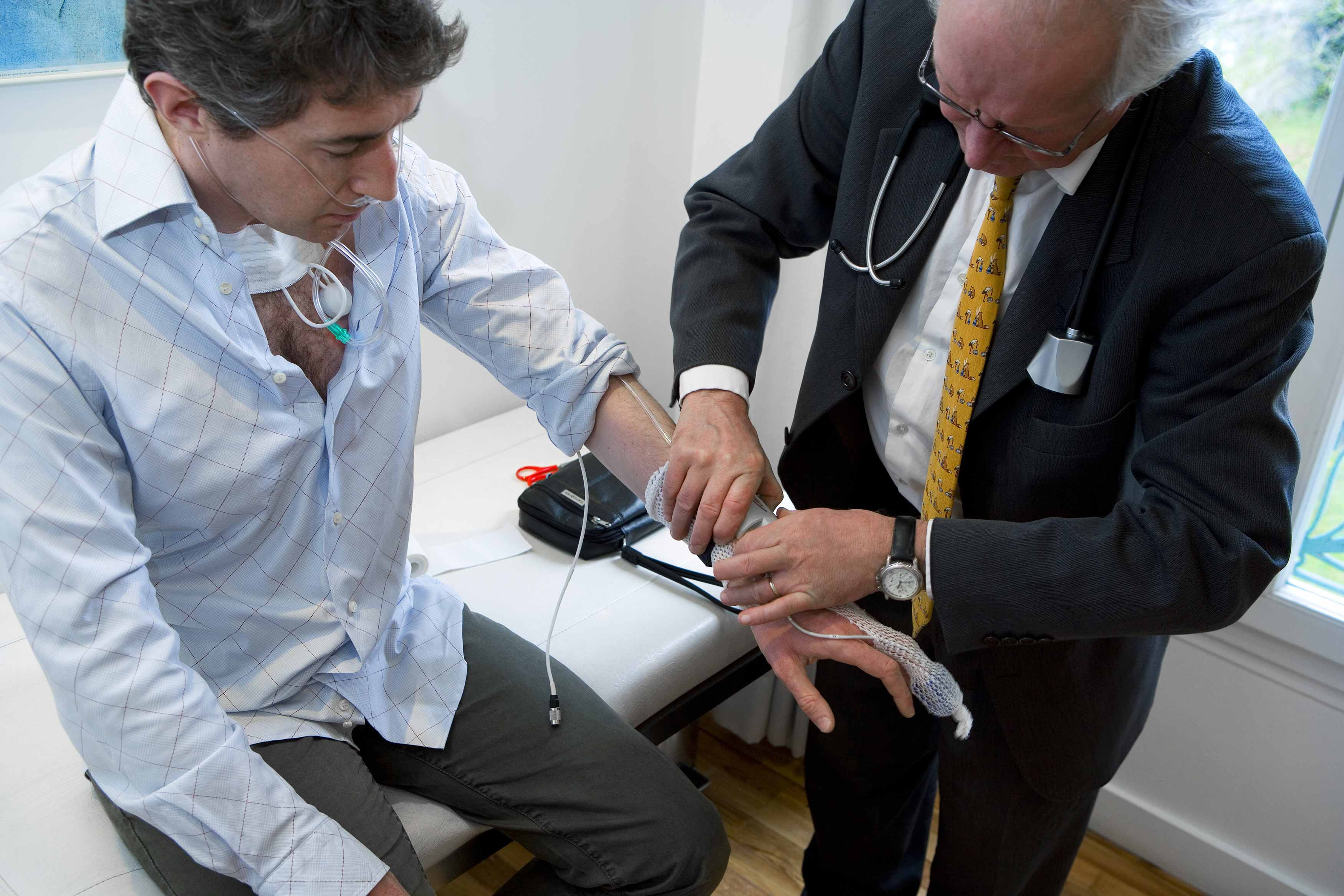
In Australia, a sleep physician diagnoses sleep apnoea through a polysomnogram (sleep study), which can be done in a sleep lab or at home for some patients. The test measures brain activity, oxygen levels, muscle activity, and breathing patterns to determine if sleep apnea is present. Your physician will review the results and let you know if you have the condition.

A photo of a young female yawning
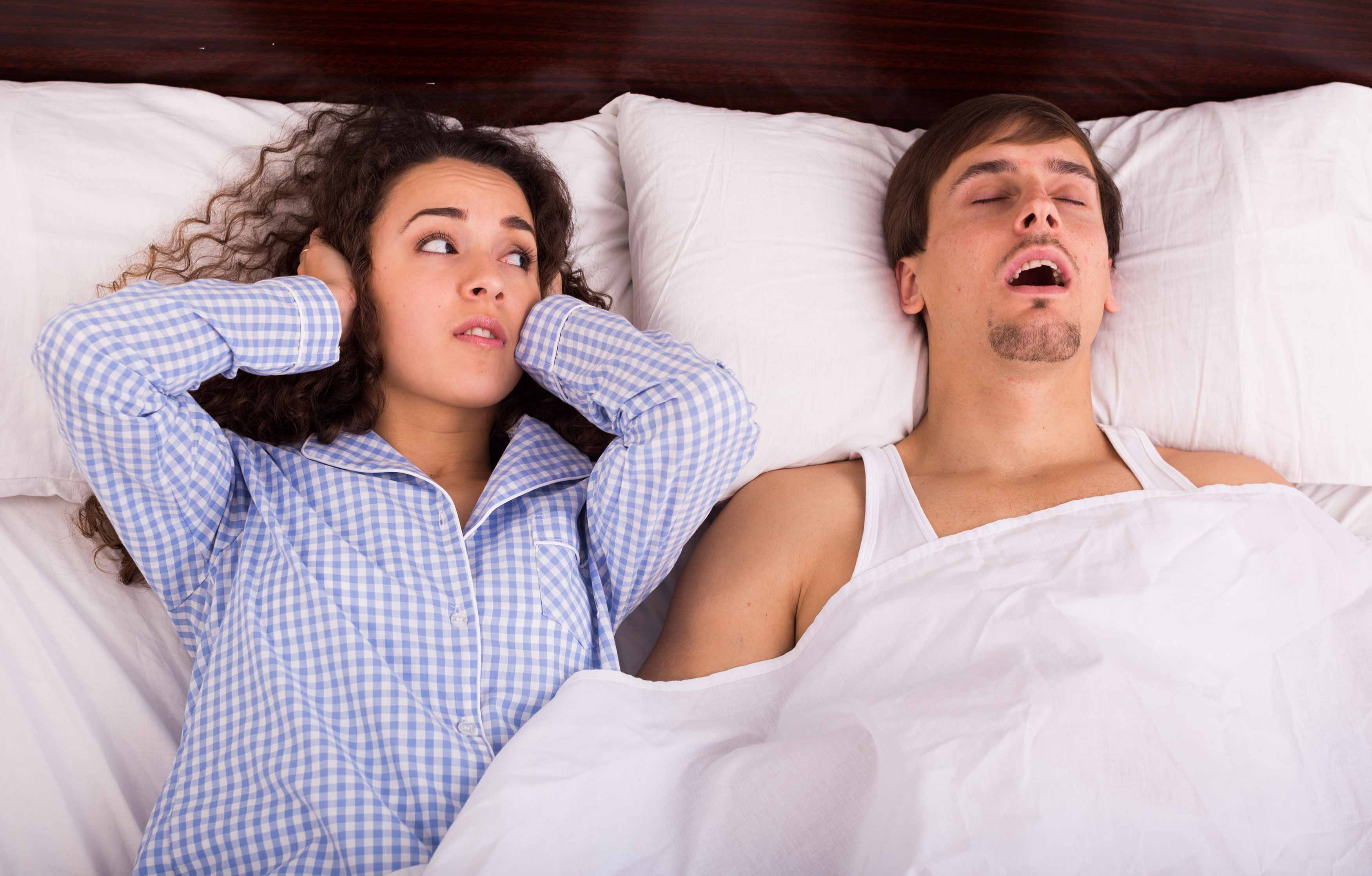
Photo of a couple in bed where the female is covering her ears while her male partner is snoring
Young female covering her yawn as she is sleepy
Tooth icon on a hospital

Why do people get

Sleep Apnoea

?

Sleep apnoea is generally caused by many different factors, rather than one single problem. These include backward positioning or size of your jaws, having a large tongue, being overweight, your position during sleep, or having certain predisposing medical conditions (just to name a few). Some of these factors can be treated with lifestyle changes, while other factors will require medical treatment.

Middle aged man sleeping in his bed with his mouth open and snoring.
Tooth icon on a hospital

What if

Sleep Apnoea

is left untreated?

Untreated sleep apnea has many risks to your quality of life, sleep quality, dental health as well as your general heath.

Increased dental problems

In patients with untreated sleep apnoea, dental problems such as excessive tooth wear, dry mouth, acid damage from reflux, temporomandibular joint disorders (TMJD) and potential impacts on jaw growth in children.

Reduced sleep quality

Sleep apnoea is also often associated with reduced sleep quality and snoring. Many patients report significant impacts on their daily life due to poor quality sleep, while many people can be significantly impacted by snoring of their partners!

Increased medical risks

There are multiple associated medical conditions in patients with untreated sleep apnoea. These includes diabetes, high blood pressure, heart attacks, heart failure, stroke, and gastroesophageal reflux. These conditions are associated with a lower life expectancy.
Tooth icon on a hospital

Treatment approaches for

Sleep Apnoea

Sleep apnoea treatment is generally determined by the severity of the disease and the problems causing sleep apnoea. The options most appropriate for your condition will be discussed with you by your sleep physician.

Tongue Retainer Device

The tongue retainer device is an over the counter device which is simple to use. This device holds your tongue forward and out of your mouth to keep your airway open as you sleep. This is commonly used if you are unable to use a mandibular advancement splint. While this is an inexpensive appliance which works well in treating sleep apnoea, patients can find it unpleasant to use.

Mandibular Advancement Splint

The Mandibular Advancement Splint (or MAS) appliance helps by bringing your lower jaw forward during sleep, which opens your airway to improve your breathing as well as reducing any snoring present. These appliances are created by your dentist who ideally has further training on treatment and management of obstructive sleep apnoea. It is important that the device is regularly reviewed and adjusted to ensure that side effects are kept to a minimum and your sleep apnoea is properly treated.

CPAP

The ‘gold-standard’ treatment of sleep apnoea is an Australian invention known as a Continuous Positive Airway Pressure device (known as a CPAP). This pushes air into your lungs at a specific pressure to ensure you breathe effectively at night. While this works extremely well at resolving sleep apnoea, some patients struggle to adapt to wearing the device at night and find it uncomfortable.

Possible
Solutions

Tooth icon on a hospital

FAQ's about

Sleep Apnoea

Can children use CPAP or MAS devices?

Can I use an ‘Over The Counter’ MAS or snoring device?

Do I need a sleep study before having a CPAP device or MAS appliance?

Tooth icon on a hospital

Other resources

These links provide additional information, tools or resources for those interested in exploring more.

Book an Appointment

Open hours
Monday
8:00am - 5:00pm
Tuesday
8:30am - 7:30pm
Wednesday
9:00am - 5:00pm
Thursday
9:00am - 6:30pm
Friday
7:30am - 5:00pm
Saturday
8:00am - 1:00pm