























Looking for the best dentist to help with

Loose Teeth

near

Kew East

?

We're the top reviewed Dentist near

Kew East

and are experts in helping you with

Loose Teeth

. Check out our Google reviews, have a look around our website, and see if you think we'd be a good fit for you and your family?

We are only a 1 suburb away from Kew East with less then 10mins drive.

Give us a call here to discuss any questions you have.

How to get here

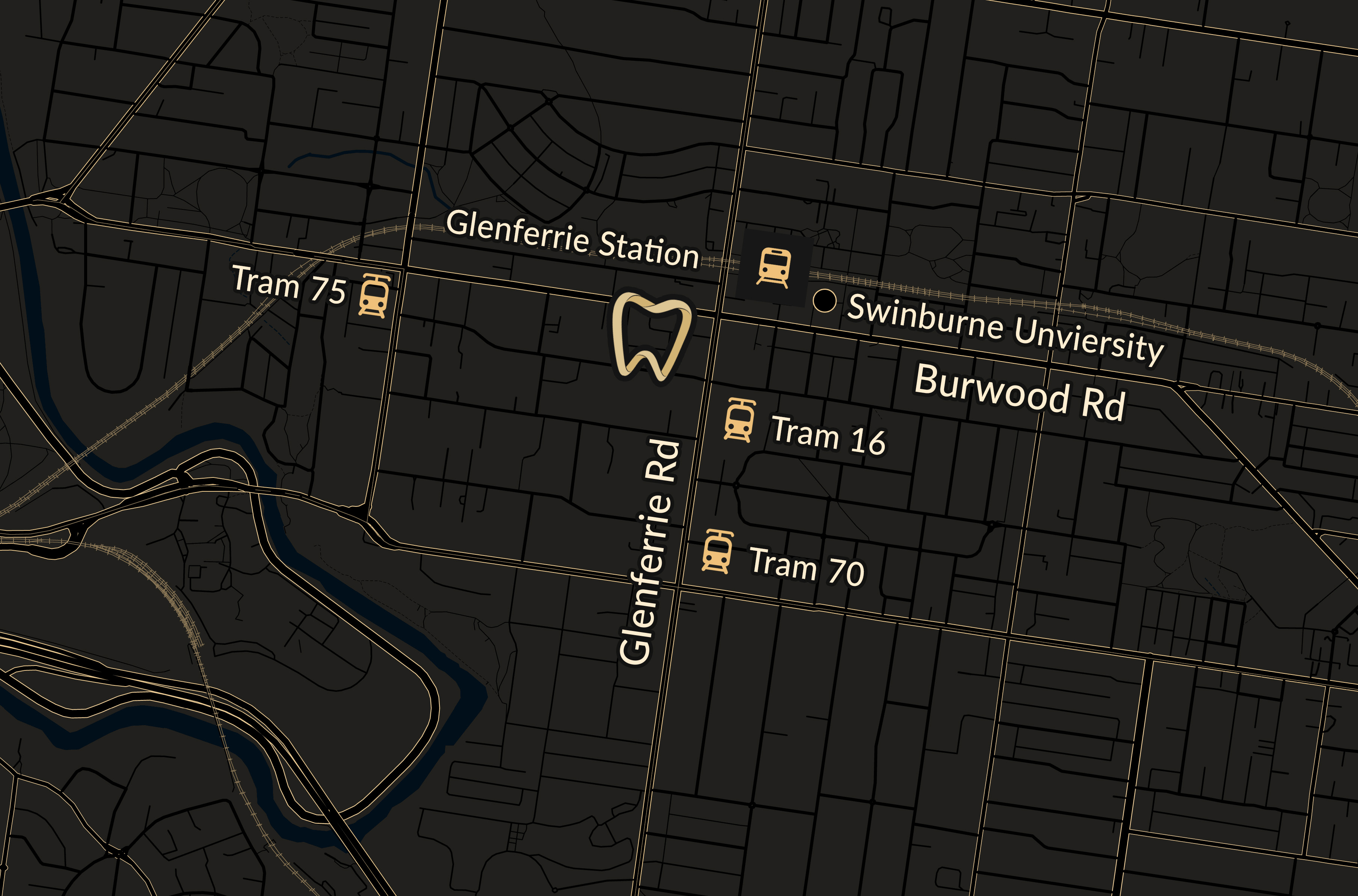
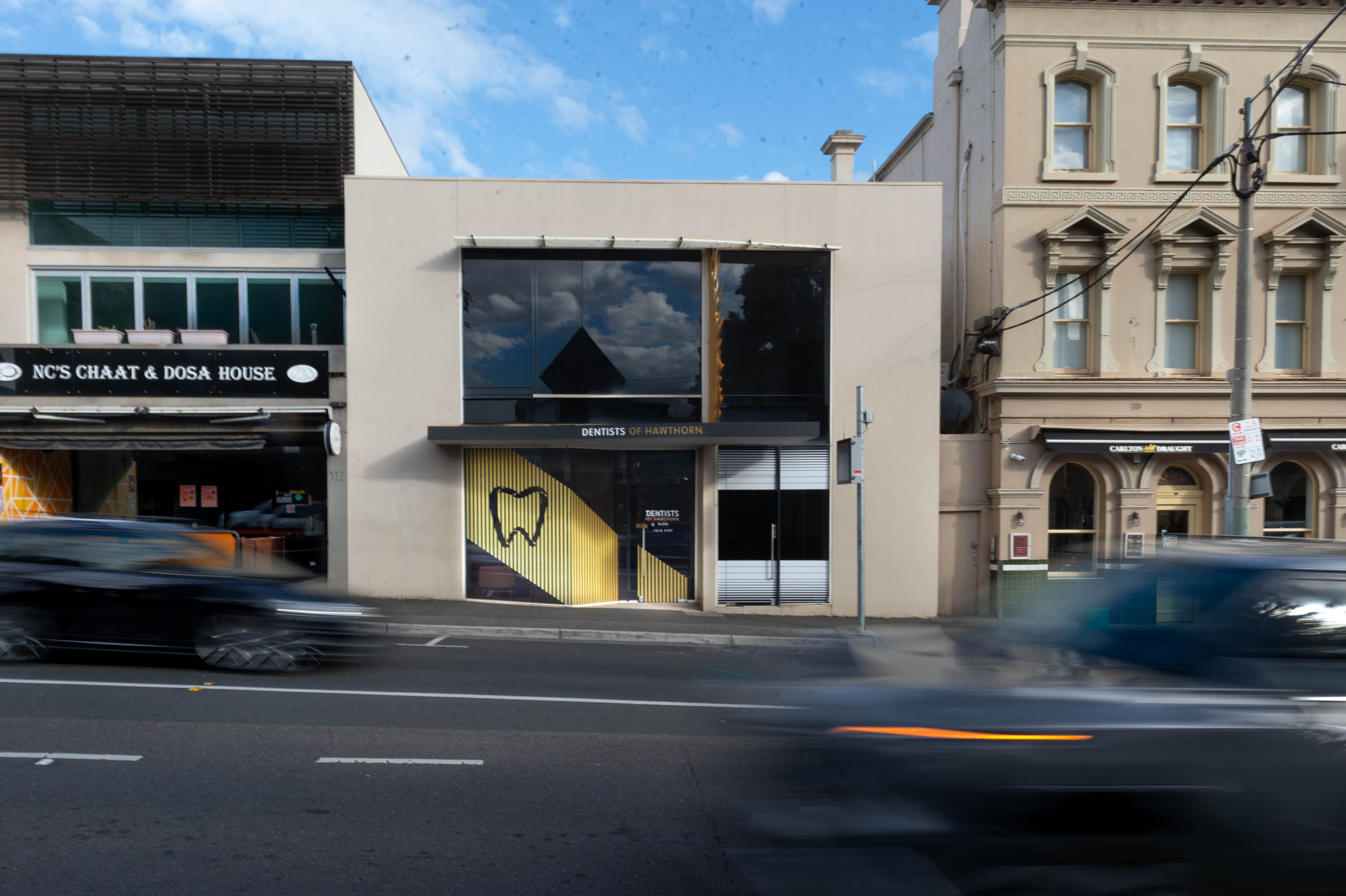
If you are catching the tram, we are less than a minute walk from the nearest Tram Stop 73 route 16 at the Corner of Glenferrie & Burwood road.

Ample parking in front and surrounding our clinic if you are driving.

Our Clinic

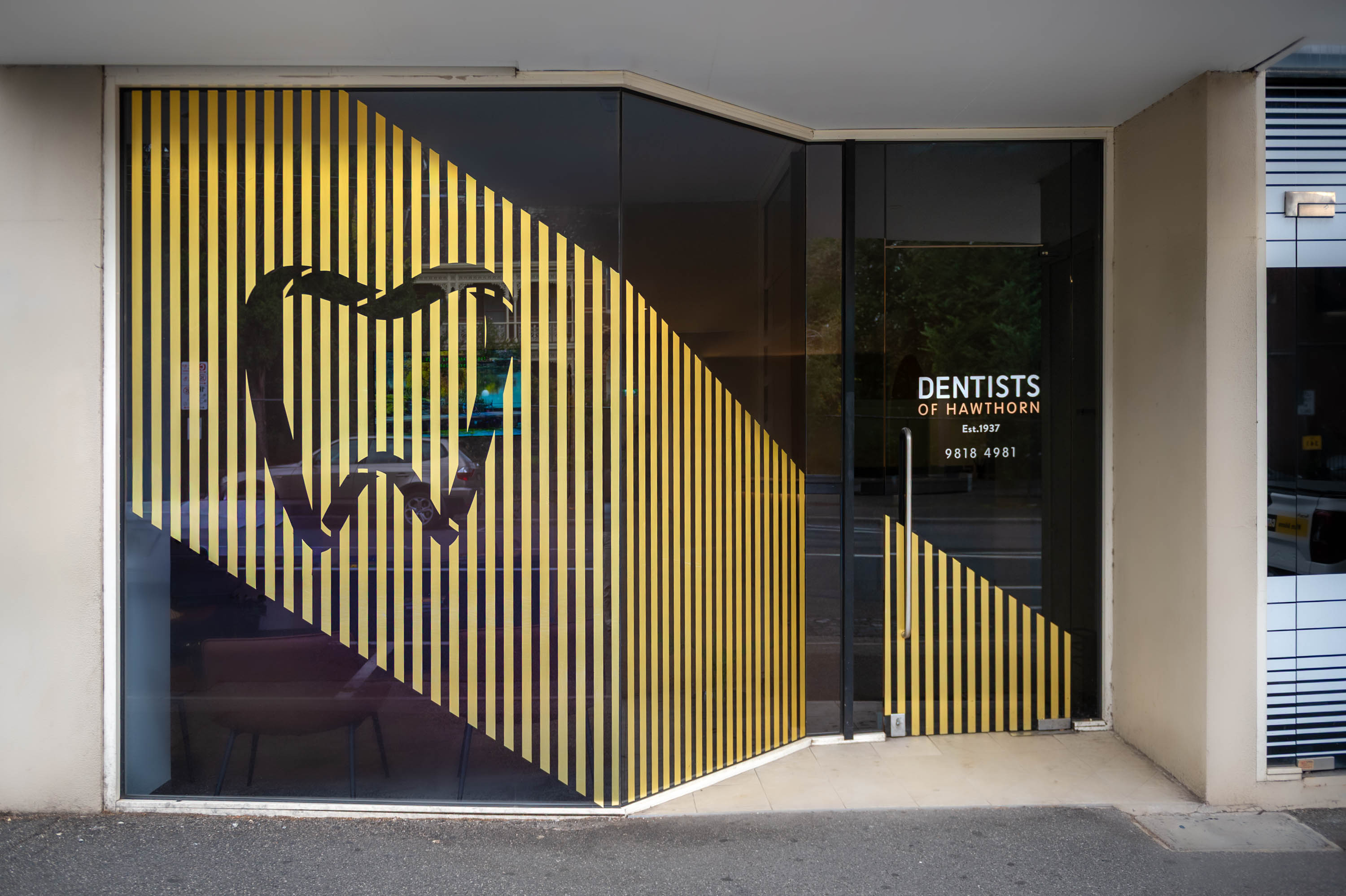
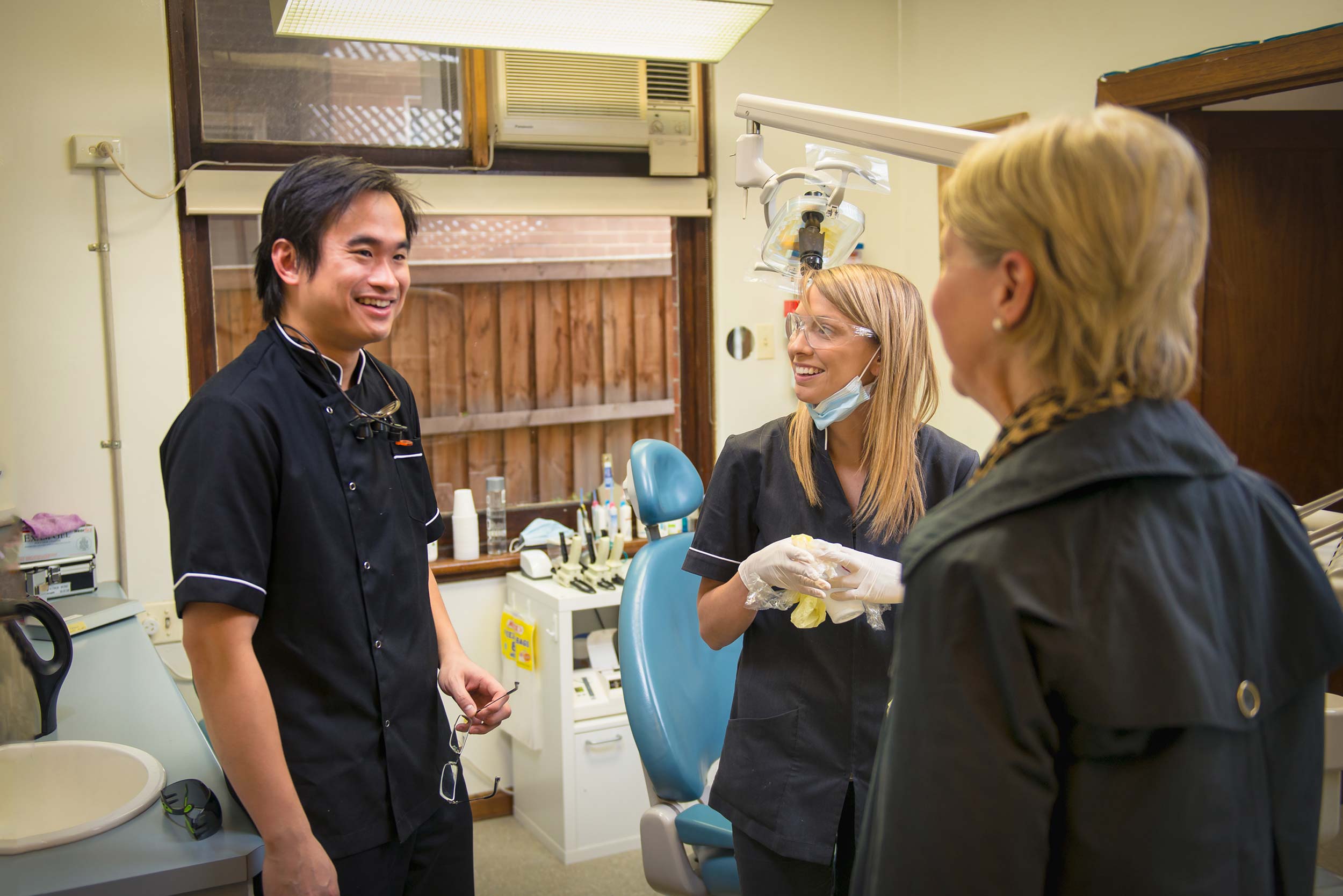
Our clinic was designed with you in mind. From our welcoming reception and cosy waiting area to our modern treatment rooms, we've put thought into every detail to ensure you feel comfortable and at ease throughout your visit. We're proud to call this space our home and we hope you feel that warmth every time you walk through our doors.

Icon of a tooth in gums

How do I know I have

Loose Teeth

?

Teeth naturally have a small level of movement (or mobility) as they are connected to your jaws by a ligament around the tooth root (known as a periodontal ligament). This usually allows for ‘shock absorption’ and allows teeth to move naturally when forces are applied.

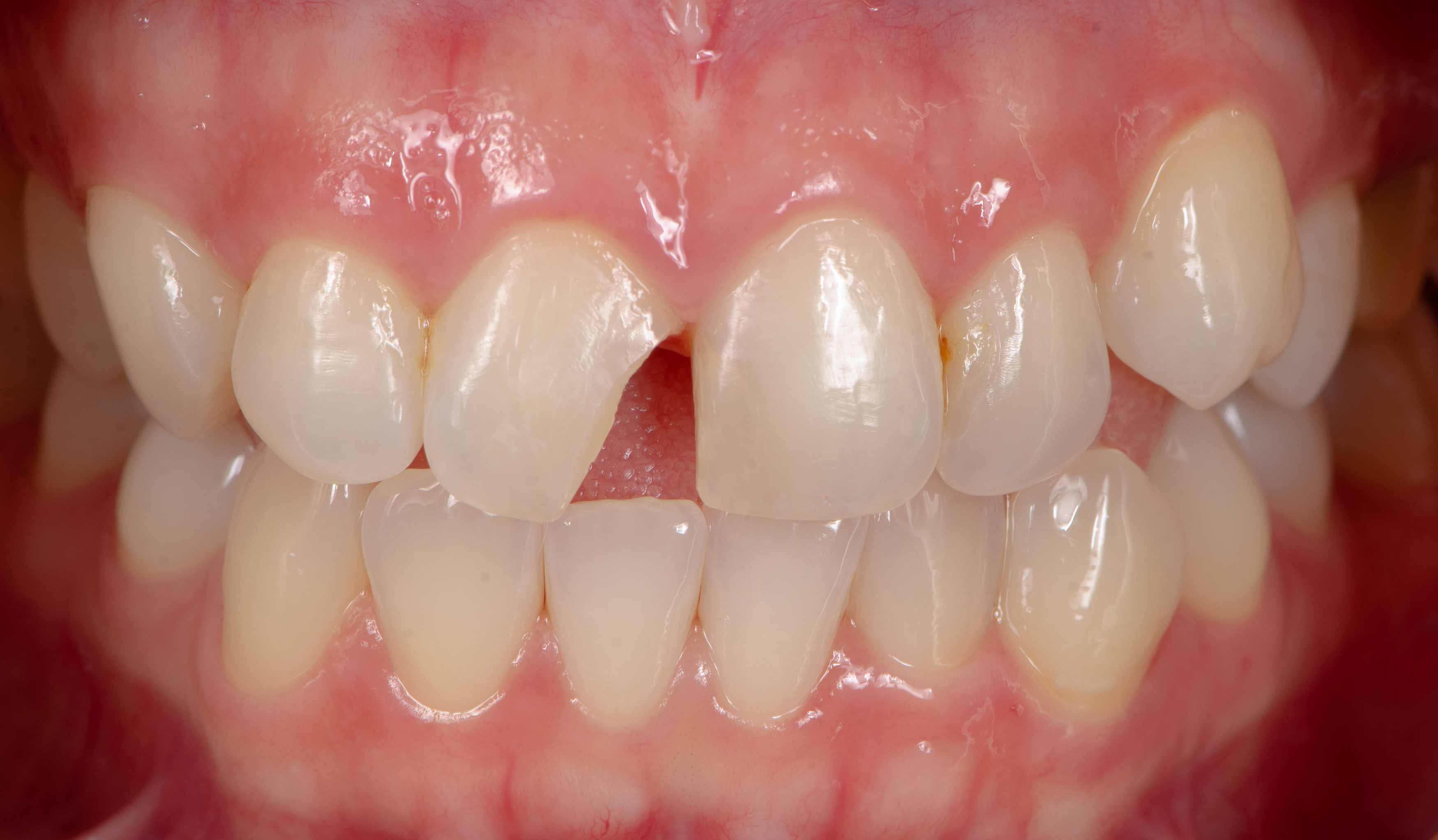
When your tooth, the ligaments or the structures around the tooth root are damaged, this may lead to excessive movement of your teeth. In general, any movement of teeth when chewing or biting, pressure from your tongue, cheeks or lips, or other normal activities will indicate a problem which should be addressed urgently.

a photo of a man looking into a mirror wriggling his loose lower right tooth
A photo of an elderly female wriggling her lower right tooth
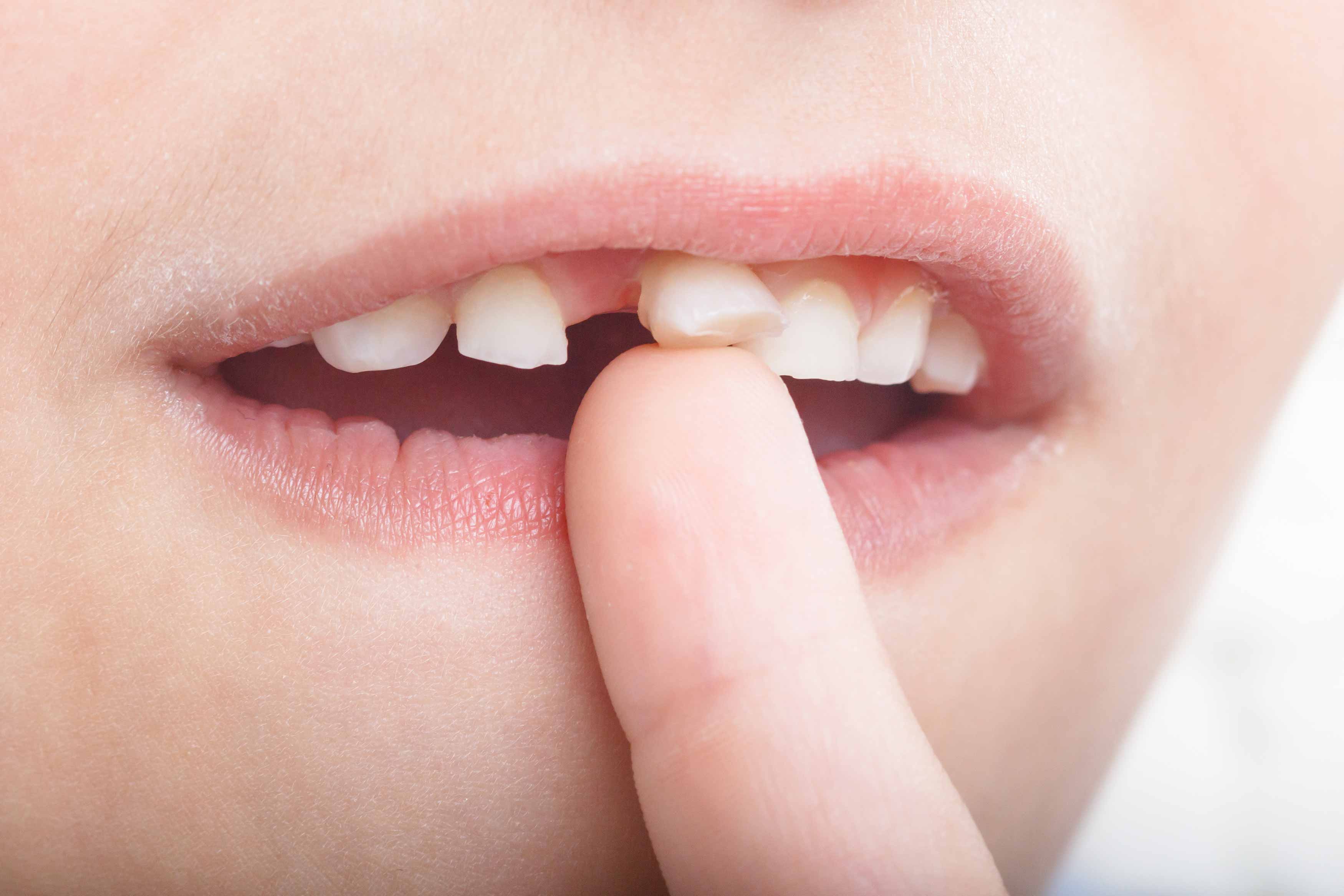
a photo of a kid wiggling his loose front right upper tooth
Icon of a tooth in gums

Why do people get

Loose Teeth

?

Loose teeth can be caused by multiple reasons, such as accidents or trauma, bite related problems, gum and bone recession or infections. Your dentist would perform a thorough examination to assess the cause of your loose teeth, including visual inspection, x-rays and other specific tests. This allows you to be best informed on both the cause of your loose teeth, and all of your options for fixing your loose teeth.

A photo of a girl showing off her missing tooth
Icon of a tooth in gums

What if

Loose Teeth

is left untreated?

Depending on the specific cause of loose teeth, postponing treatment may lead to serious dental problems requiring more complex treatment.

Tooth loss

If the conditions causing your loose teeth have progressed significantly, your tooth may not be able to be repaired adequately. This can lead to your teeth to need removal to resolve your symptoms.

Affect other teeth

In serious cases of infections causing loose teeth, the spread of bacteria and infections can lead to problems neighbouring teeth and increase the amount of dental treatment required.

Inability to chew

If your loose teeth even less stable over time, they may become painful or unstable enough to prevent you from being able to chew on your loose tooth.

Infection

If your loose tooth is caused by gum problems or cavities, there is a risk that the problem may progress to infections involving the internal nerves or blood supply of the tooth, or infections involving the gums and bone which keep your teeth stable. These infections generally require extensive dental treatment to resolve.

Pain

Your loose tooth can lead to significant tooth pain if the underlying cause is not addressed. This may be due to damage to the nerve or blood supply of the tooth, bacterial infection, or the tooth moving dramatically to damage surrounding tissues.

Icon of a tooth in gums

Treatment approaches for

Loose Teeth

Your dentist will look to stabilise your loose teeth where possible, as well as giving potential options to prevent the return or further progression of your condition. The approaches available to you will depend on the cause of your loose teeth.

Tooth Removal

Where loose teeth can no longer be successfully treated, removal of the tooth is generally required to prevent problems from spreading and to relieve your symptoms.

Deep Cleaning

Loose teeth caused by gum disease will generally required thorough deep cleaning to remove bacteria or infected tissues to allow healing and future tooth stability.

Splinting

Loose teeth can sometimes be splinted (i.e. stuck) to neighbouring teeth to reduce movement of these teeth.

Bite adjustment

Loose teeth can sometimes be treated by reducing the amount of forces that are placed on them when you bite together.

Icon of a tooth in gums

FAQ's about

Loose Teeth

What should I do if I have a dental accident?

Do I need to treat my loose teeth if they don’t hurt?

Do loose baby teeth need treatment?

Icon of a tooth in gums

Other resources

These links provide additional information, tools or resources for those interested in exploring more.

Book an Appointment

Open hours
Monday
8:00am - 5:00pm
Tuesday
8:30am - 7:30pm
Wednesday
9:00am - 5:00pm
Thursday
9:00am - 6:30pm
Friday
7:30am - 5:00pm
Saturday
8:00am - 1:00pm