



















Looking for the best dentist to help with

Jaw Pain

near

Richmond

?

We're the top reviewed Dentist near

Richmond

and are experts in helping you with

Jaw Pain

. Check out our Google reviews, have a look around our website, and see if you think we'd be a good fit for you and your family?

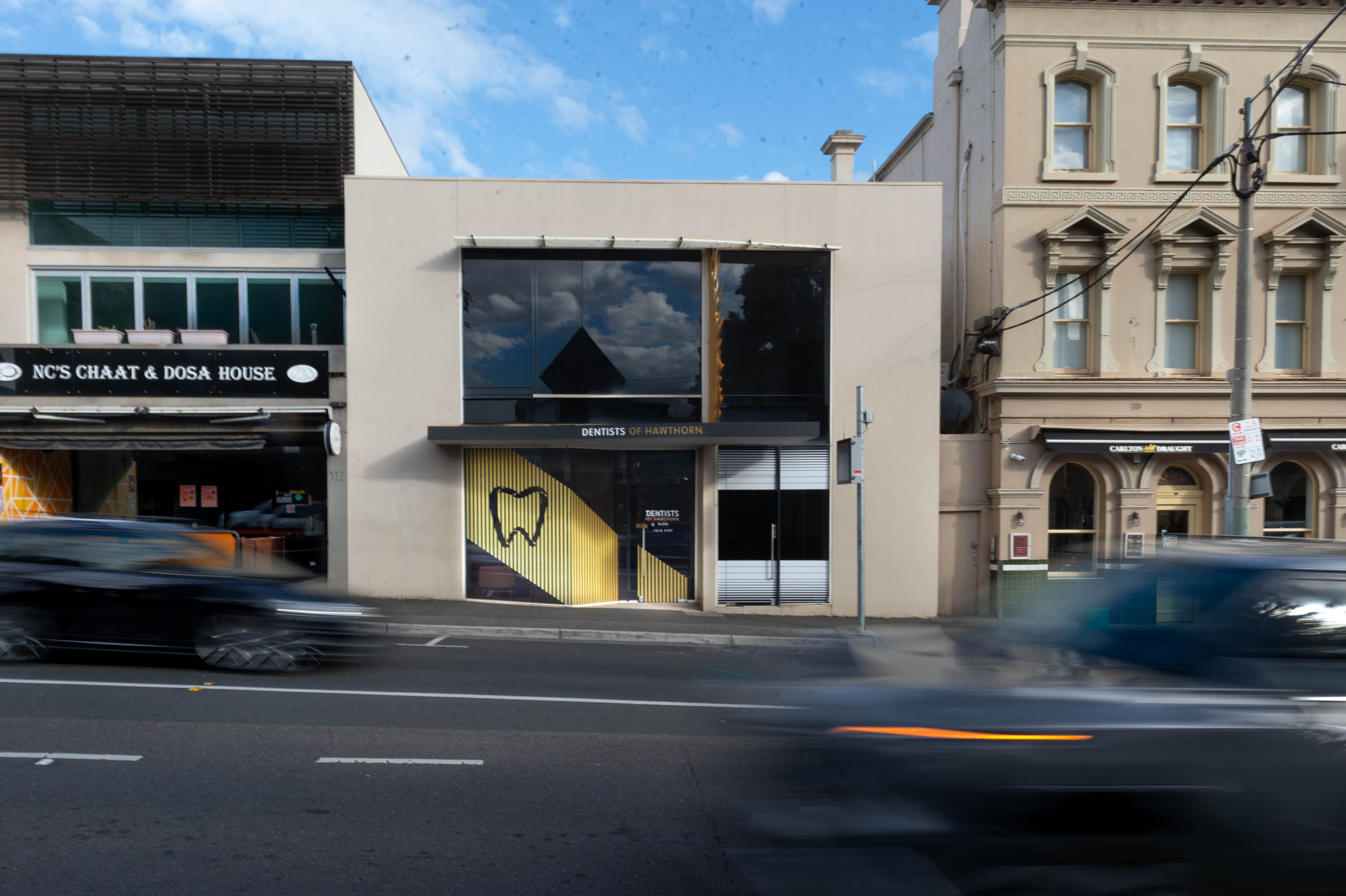
We are just 1 suburb away from Richmond and only a 10-minute drive.

Give us a call here to discuss any questions you have.

How to get here

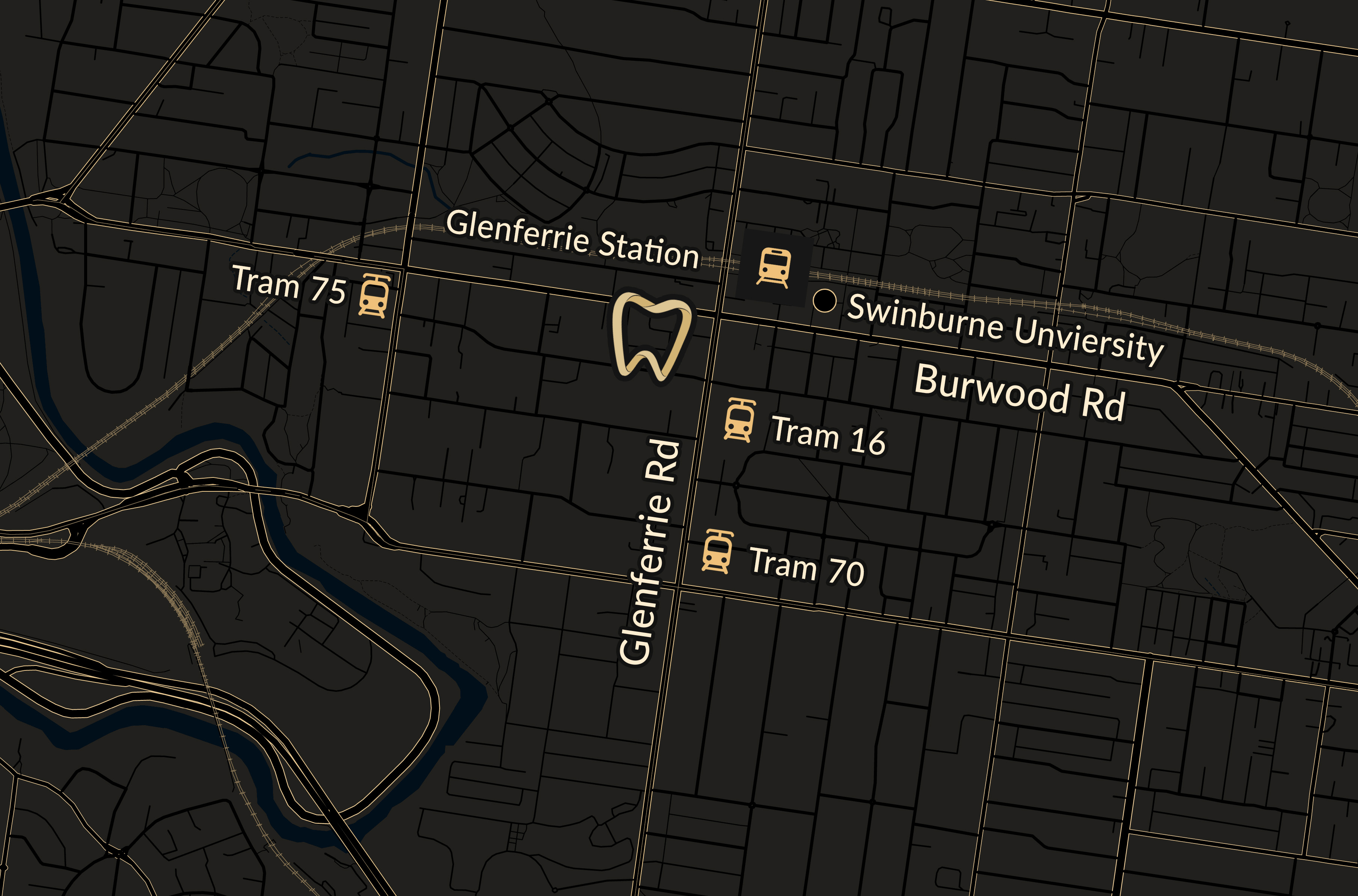
To reach us by train, take the Alamein or Lilydale/Belgrave line at Richmond station. After a short ride of 3 stops, you'll arrive at Glenferrie Train Station, which is just a five-minute walk away.

If you are catching the tram, we are less than a minute walk from the nearest Tram Stop 73 route 16 at the Corner of Glenferrie & Burwood road.

Ample parking in front and surrounding our clinic if you are driving.

Our Clinic

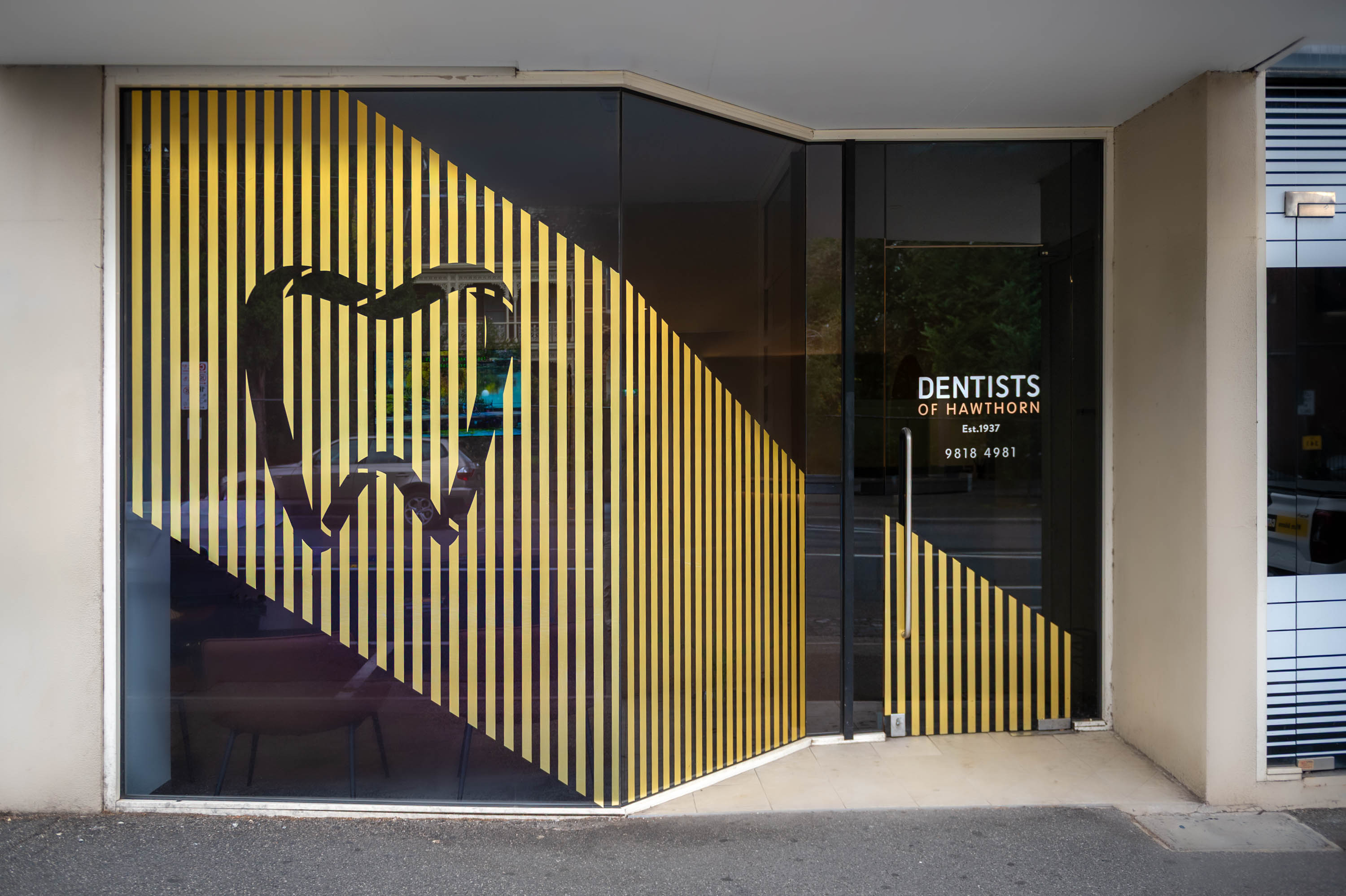
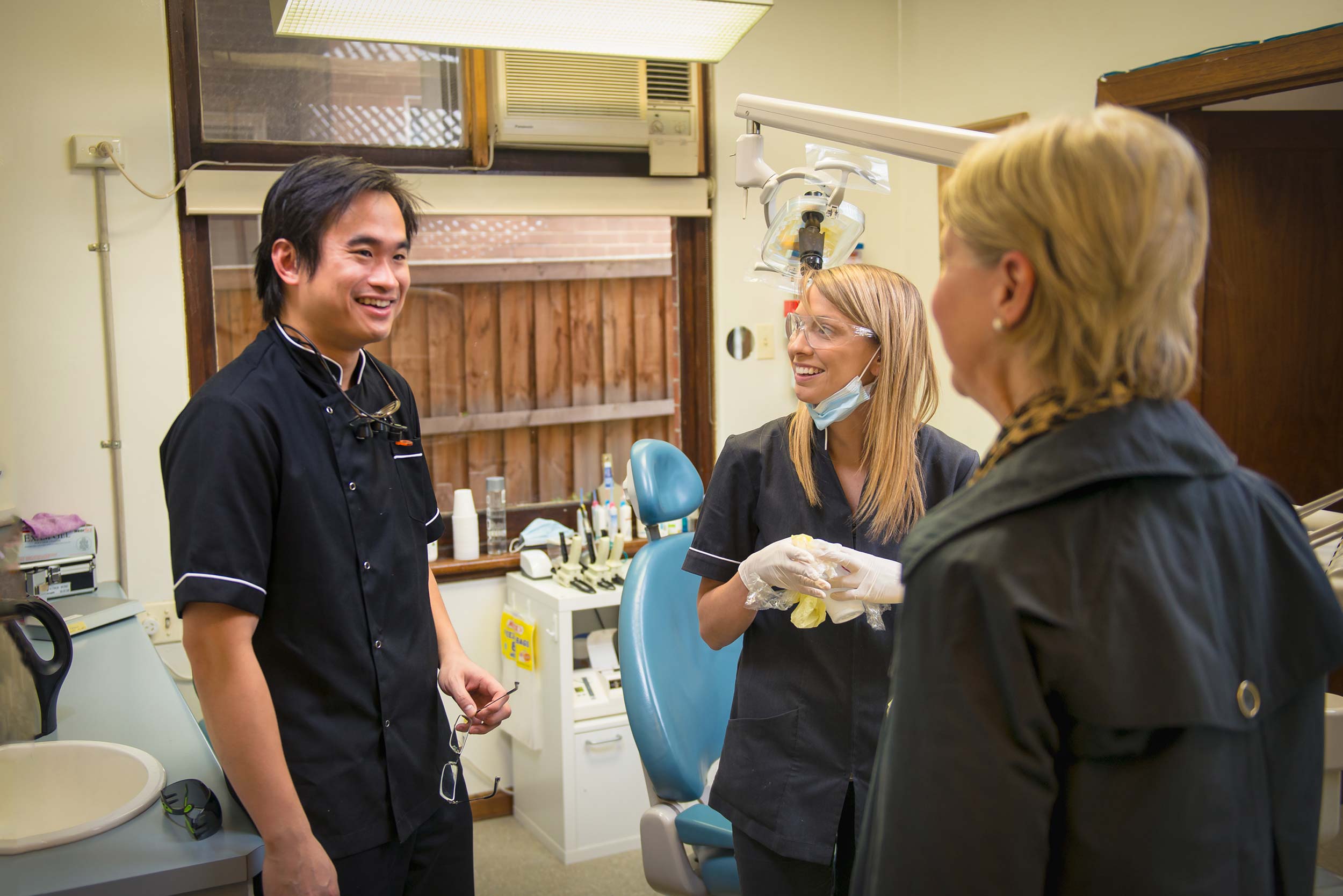
Our clinic was designed with you in mind. From our welcoming reception and cosy waiting area to our modern treatment rooms, we've put thought into every detail to ensure you feel comfortable and at ease throughout your visit. We're proud to call this space our home and we hope you feel that warmth every time you walk through our doors.

Icon of a tooth next to a dentist

How do I know I have

Jaw Pain

?

Jaw pain can commonly be differentiated from tooth pain by the type and location of pain, as well as what causes and relieves pain. In some cases, jaw pain can present similarly to tooth pain and requires further tests to properly assess the cause.

Jaw pain is commonly associated with a dull, sore and bruised sensation which seems to originate from a non-specific wider area (rather than from a single tooth). It can also lead to issues where movement of your jaw is affected. Jaw pain can commonly be relieved with rubbing or massage of the area, moist heat packs and avoiding foods or habits that require a lot of chewing. Jaw pain is also commonly worsened by clenching or moving your jaw in a particular position.

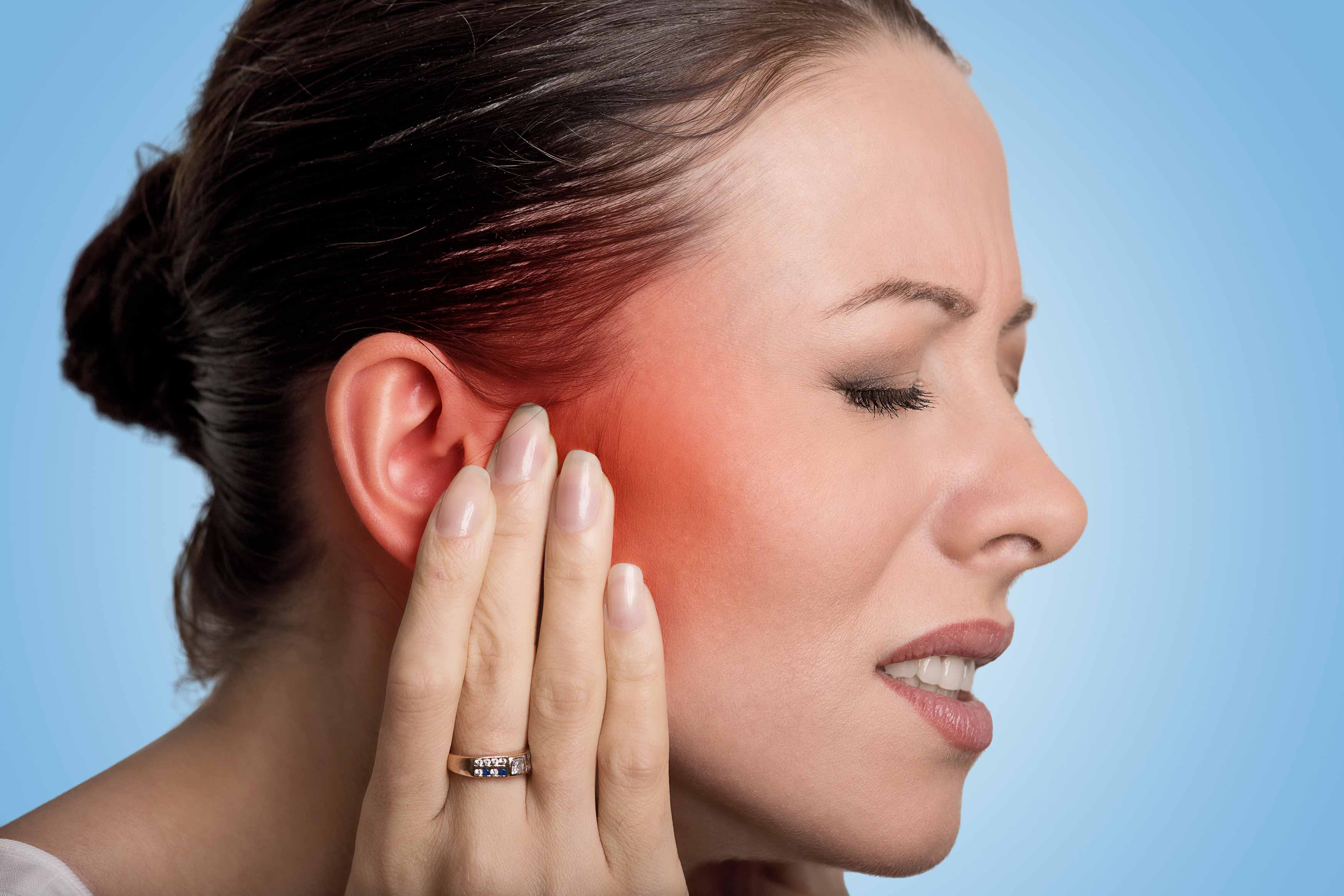
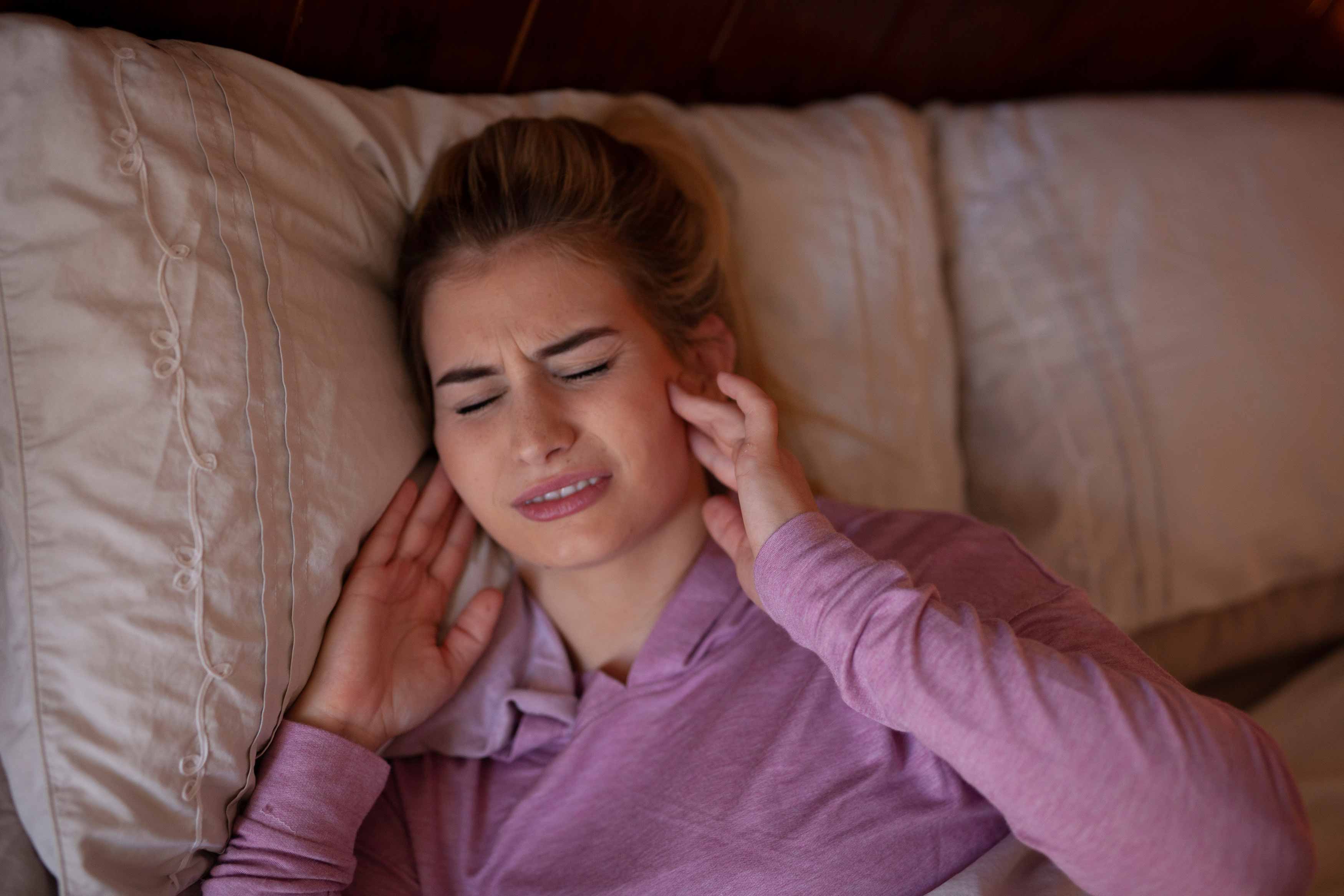
Female massaging her left and right temporomandibular joint (TMJ) in bed because it is painful due to her grinding
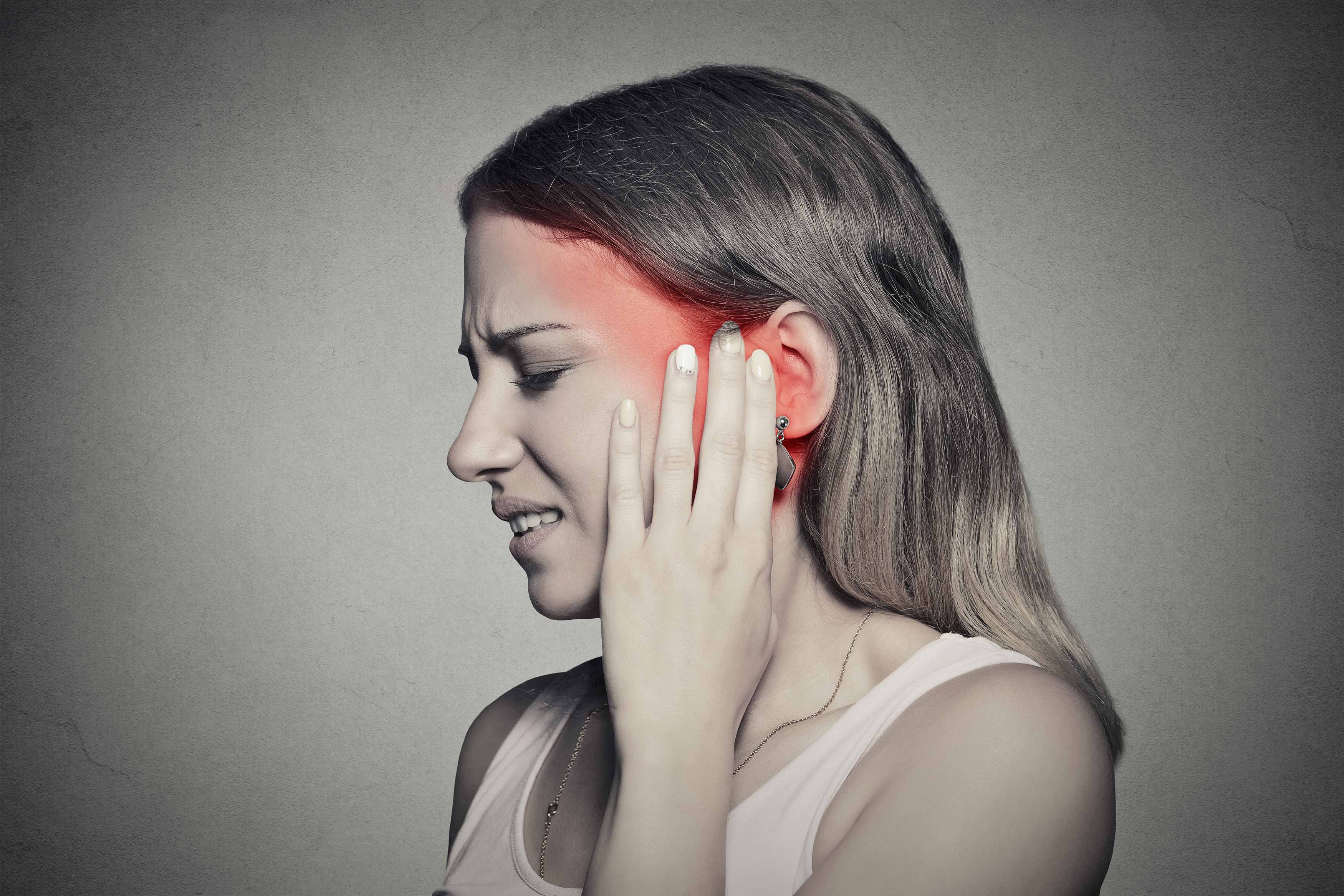
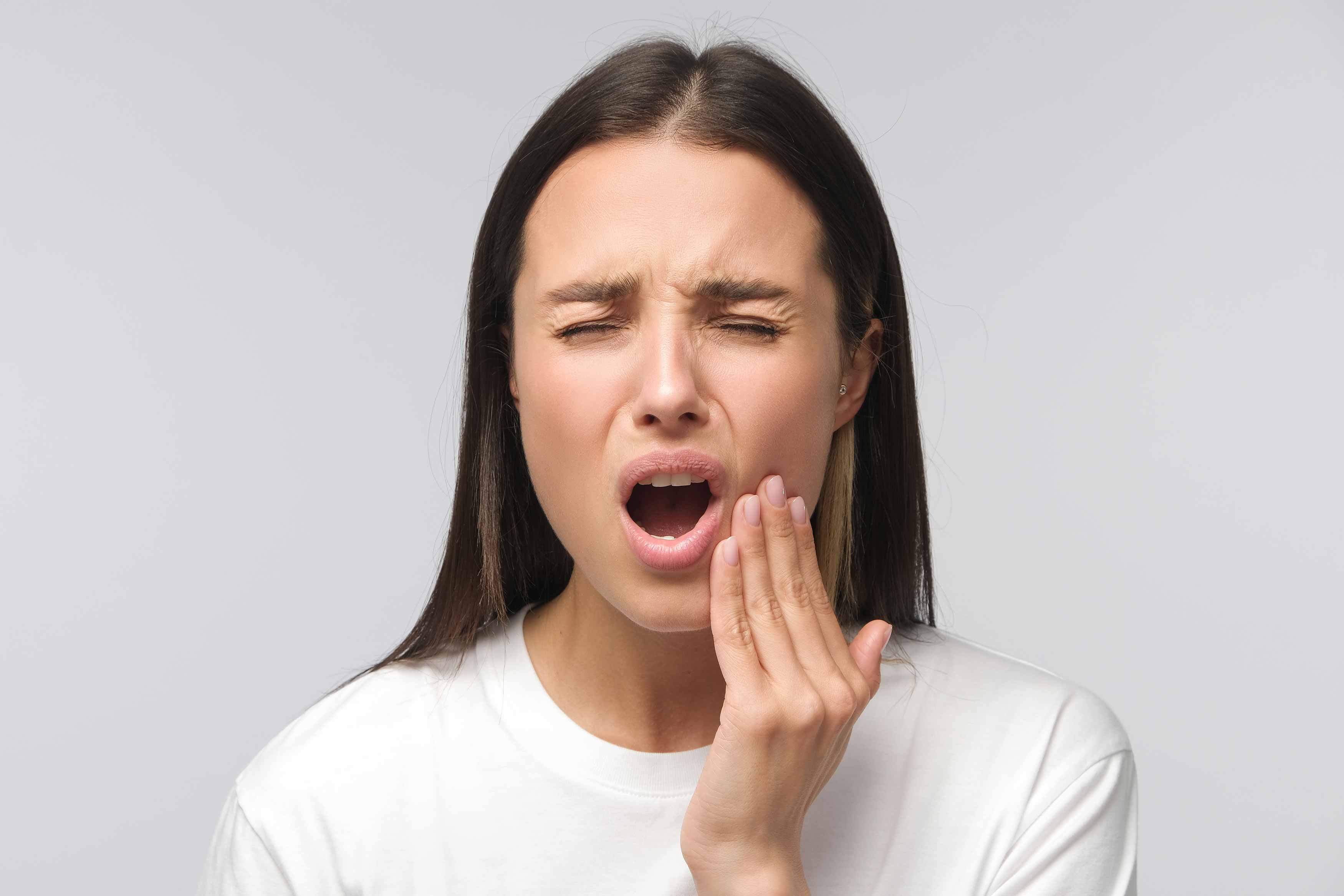
Female holding her left jaw in grimace because of her jaw pain
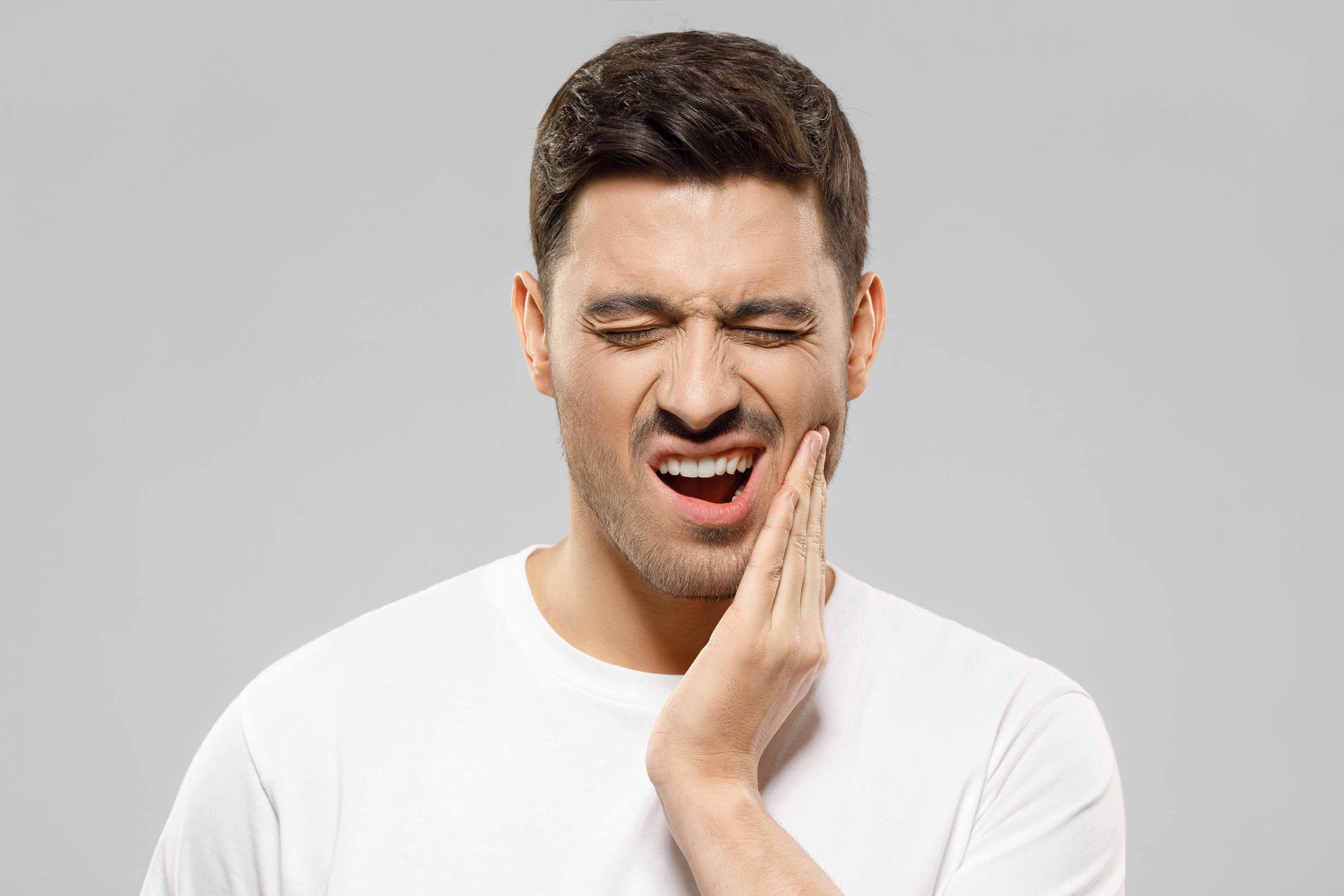
Photo of a man holding his jaw in pain
Icon of a tooth next to a dentist

Why do people get

Jaw Pain

?

Most commonly, jaw pain is due to inflammation of your jaw muscles. This could be caused by one-off events (such as excessive opening, trauma, or dislocation of the jaws) or ongoing events such as clenching or grinding your teeth at night.

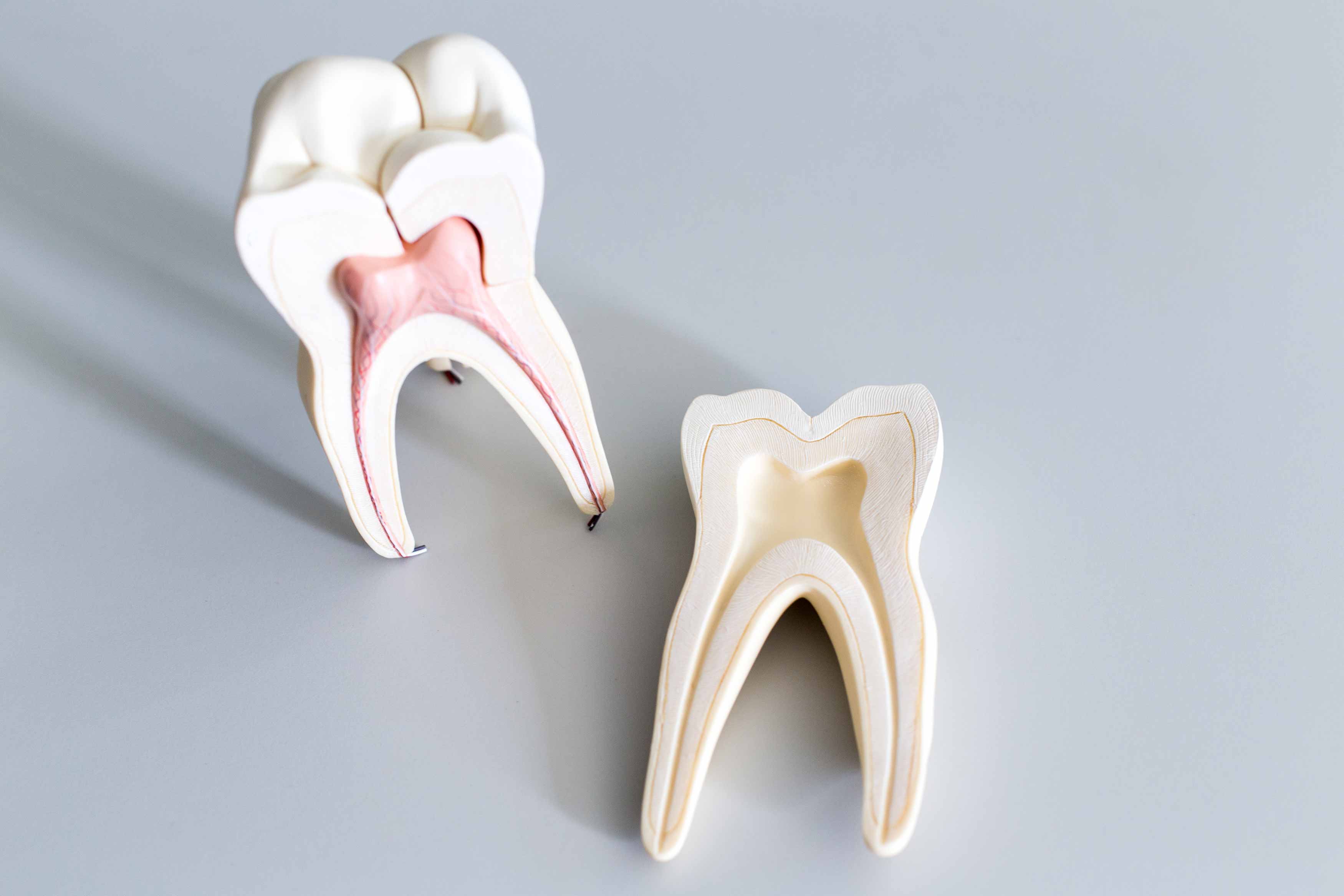
In some cases, jaw pain can be due to problems with the jaw joints. These include damage or wear of the bones in the ‘ball’ or ‘socket’ of the joint, the cartilage disc in between the bones of the joint, or the ligaments associated with the joints. These problems are usually due to long term (or chronic) problems which lead to deterioration of the joint over time.

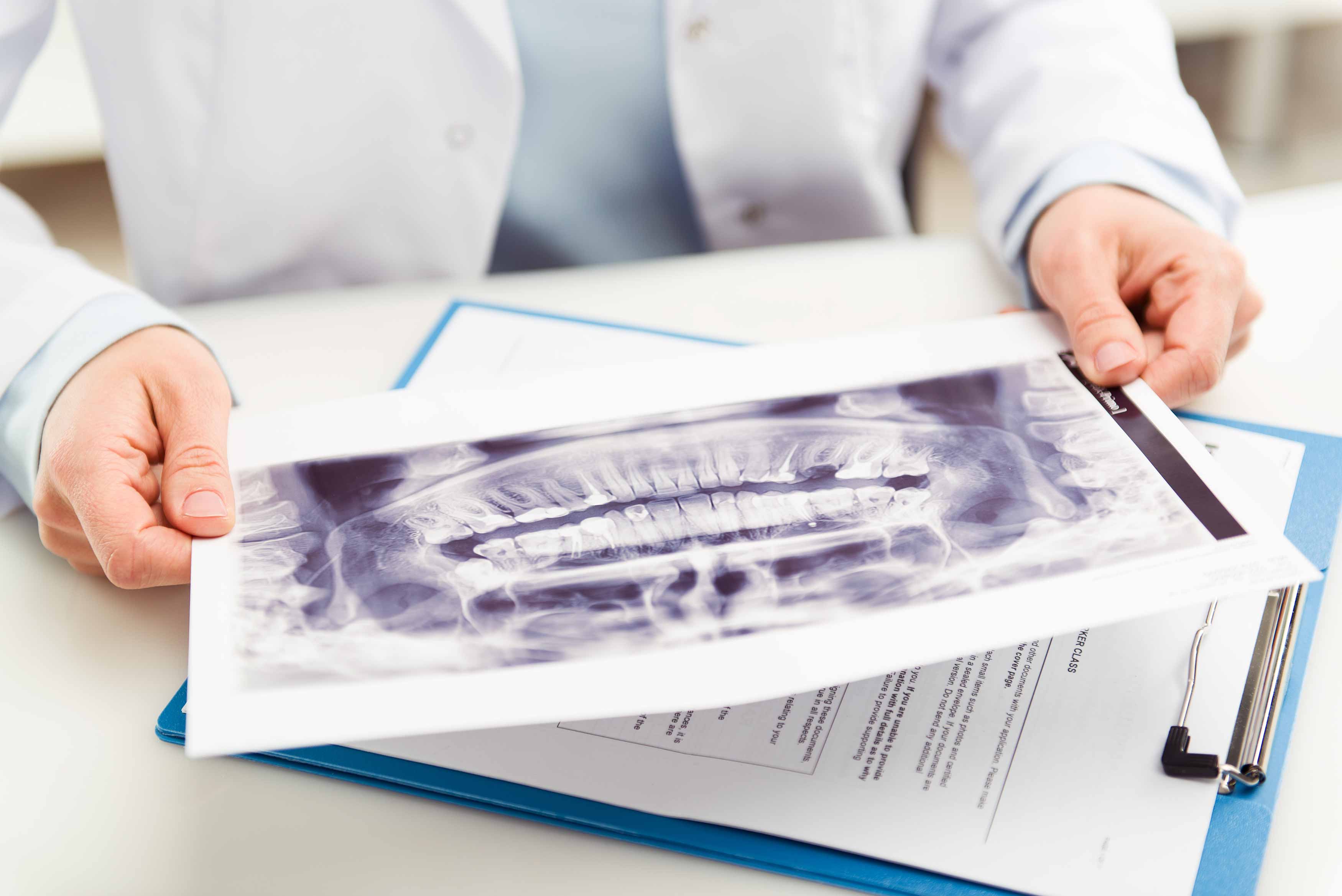
Proper assessment of your jaw pain by your dentist is important to determine the cause of your pain and allow correct management to resolve your problems as soon as possible.

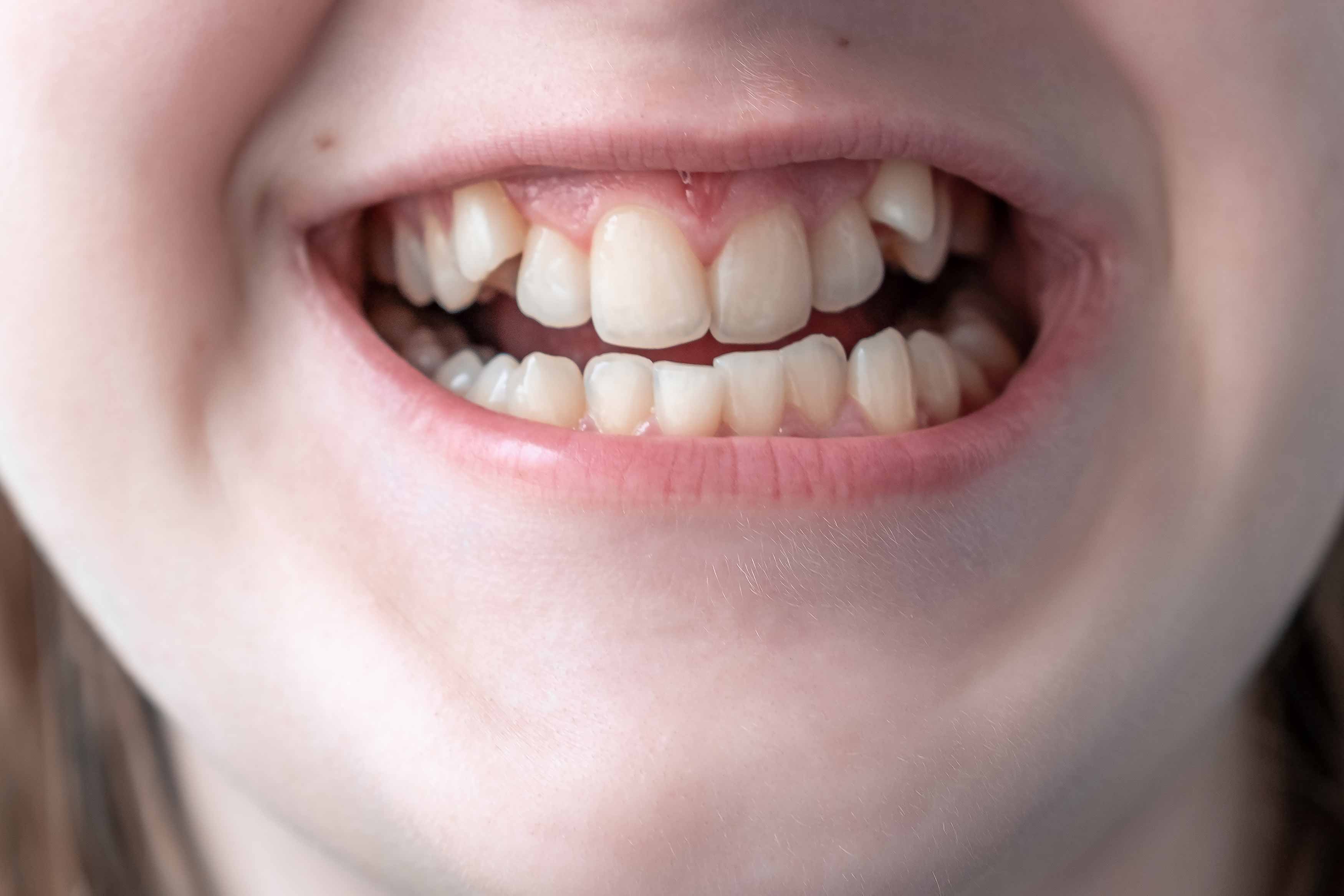
a photo of a person who's jaw is shifted to her left side and she is supporting her jaw while grimacing, indicating that she has somesort of jaw pain
Icon of a tooth next to a dentist

What if

Jaw Pain

is left untreated?

Untreated jaw pain can be very unpredictable and potentially progress to more serious conditions if incorrectly managed. Ensuring that conditions causing jaw pain are properly assessed is important to avoid long term complications.

Joint degeneration

Some patients can develop irreversible degenerative joint conditions which require extensive treatment or surgical treatment with specialists if not managed early.

Joint locking

Jaw pain caused by joint displacement or dislocation can sometimes lead to situations where your jaw becomes locked in an open or closed position. This usually requires joint relocation by your dentist or specialist, followed by rehabilitation treatment to prevent ongoing locking.

Self-resolution

In mild cases of jaw pain, your symptoms may resolve without further treatment. While this is good news in the short term, there is a risk that if more serious conditions are present they can continue to worsen and progress over time.
Icon of a tooth next to a dentist

Treatment approaches for

Jaw Pain

Treatment of jaw pain depends on the specific cause, but is generally as conservative as possible for relief of pain.

Surgery

In rare situations, surgical treatment may be performed by specialist oral surgeons to manage your jaw joint. This includes internal cleaning of the joint or complete joint reconstructions.

Medications

In some situations, prescription or injectable medications will be provided by your dentist or specialist to reduce or manage your jaw pain. These may be provided for short term relief, or sometimes for long term management of your jaw pain.

Appliance therapy

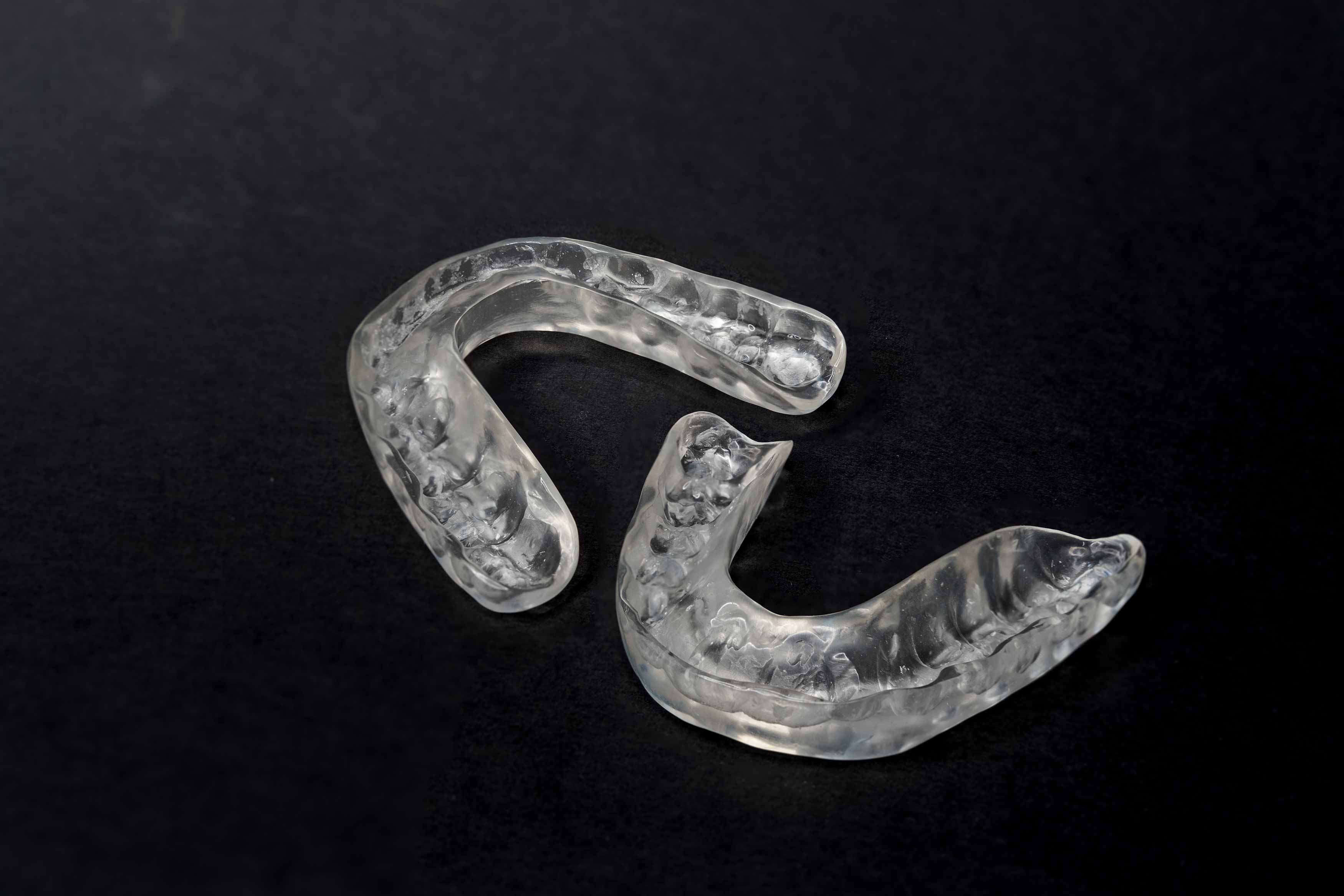
Some patients will require an oral appliance known as an occlusal splint to help control their jaw movements to reduce and prevent jaw pain during their sleep. This is made by your dentist following records of your teeth and bite and ongoing adjustments are required to ensure this is working correctly.

Jaw Rehabilitation

Temporomandibular joint rehabilitation is performed by either your dentist or physiotherapist and works through specific jaw stretches or joint coordination exercises to help improve joint movement and function.

Palliative Treatment

Temporomandibular joint palliative helps to reduce muscular activity or relieve muscle inflammation through changes in habits, massage and heat, and medications where required.

Icon of a tooth next to a dentist

FAQ's about

Jaw Pain

Does Botox help with jaw pain?

Book an Appointment

Open hours
Monday
8:00am - 5:00pm
Tuesday
8:30am - 7:30pm
Wednesday
9:00am - 5:00pm
Thursday
9:00am - 6:30pm
Friday
7:30am - 5:00pm
Saturday
8:00am - 1:00pm