































Looking for the best dentist to help with

Bleeding Gums

near

Box Hill South

?

We're the top reviewed Dentist near

Box Hill South

and are experts in helping you with

Bleeding Gums

. Check out our Google reviews, have a look around our website, and see if you think we'd be a good fit for you and your family?

We are just a few suburbs away from Box Hill South.

Give us a call here to discuss any questions you have.

How to get here

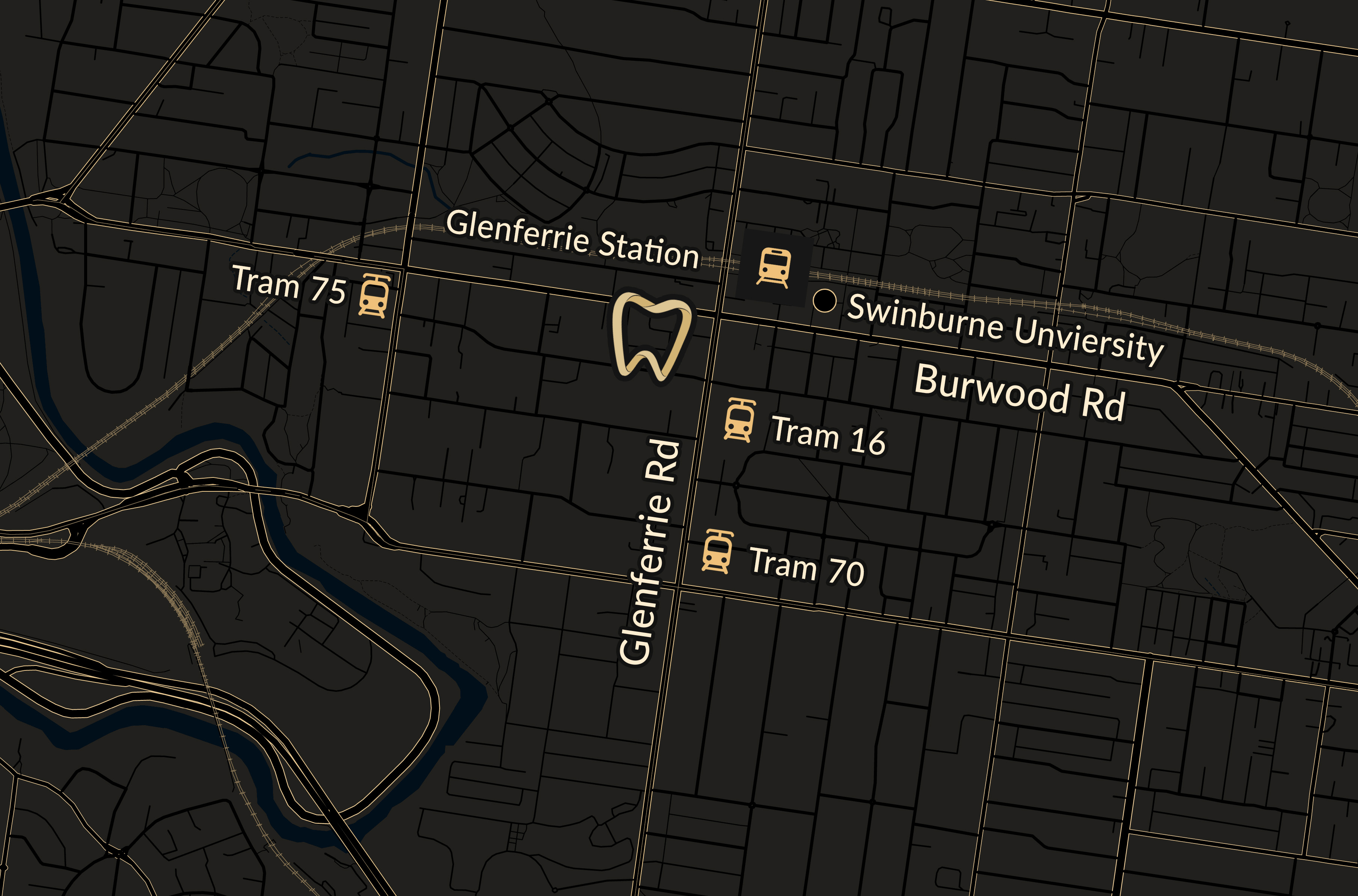
To reach us by train, take any city-bound train. After a short ride, you'll arrive at Glenferrie Train Station, which is just a five-minute walk away.

If you are catching the tram, we are less than a minute walk from the nearest Tram Stop 73 route 16 at the Corner of Glenferrie & Burwood road.

Ample parking in front and surrounding our clinic if you are driving.

Our Clinic

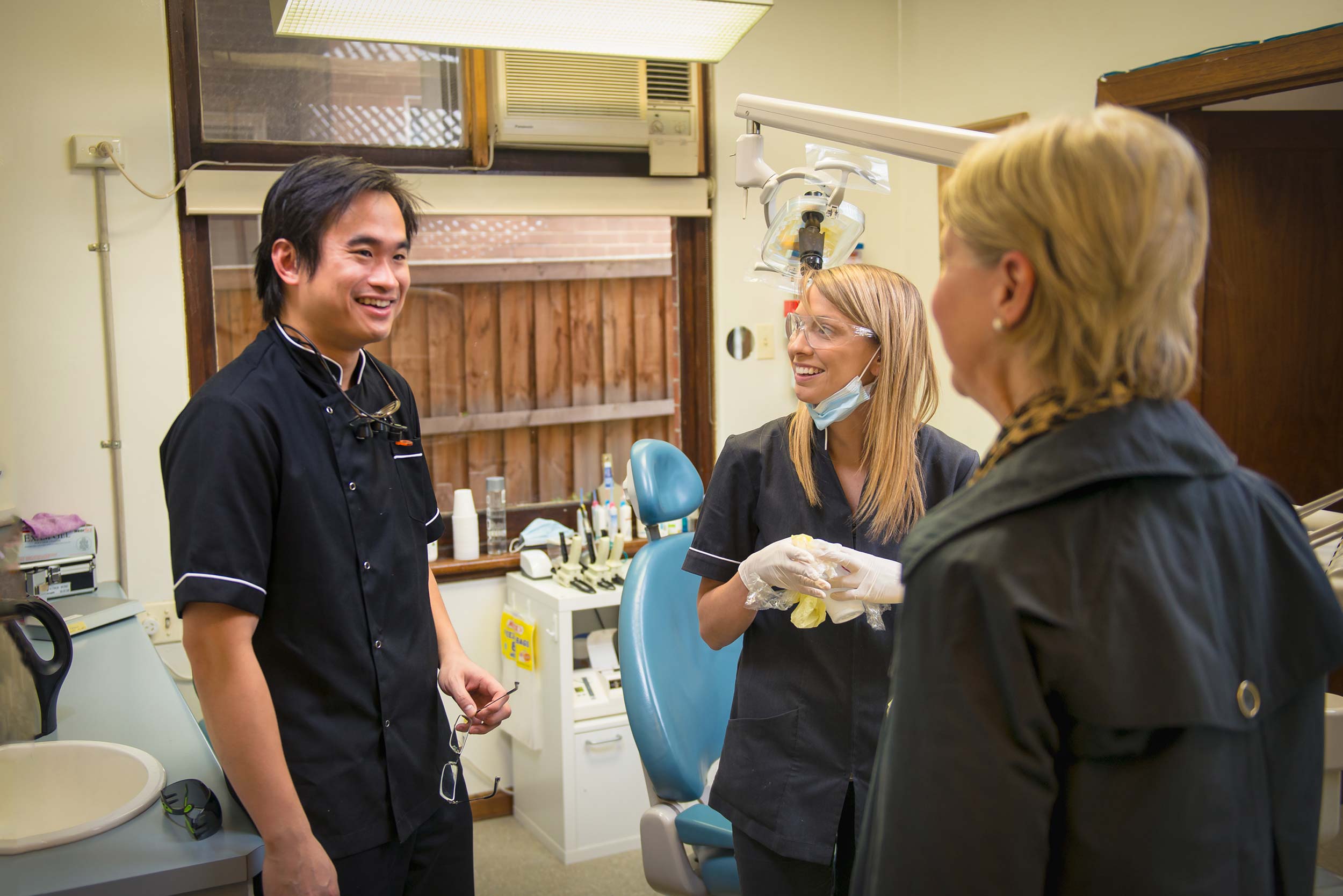
Our clinic was designed with you in mind. From our welcoming reception and cosy waiting area to our modern treatment rooms, we've put thought into every detail to ensure you feel comfortable and at ease throughout your visit. We're proud to call this space our home and we hope you feel that warmth every time you walk through our doors.

Tooth Icon showing bacteria on it

How do I know I have

Bleeding Gums

?

Most people will find that they have bleeding gums by finding blood when they brush or floss their teeth. Your dentist will also check the health of your gums with a special instrument; if your gums bleed during this process, this also indicates something is wrong.

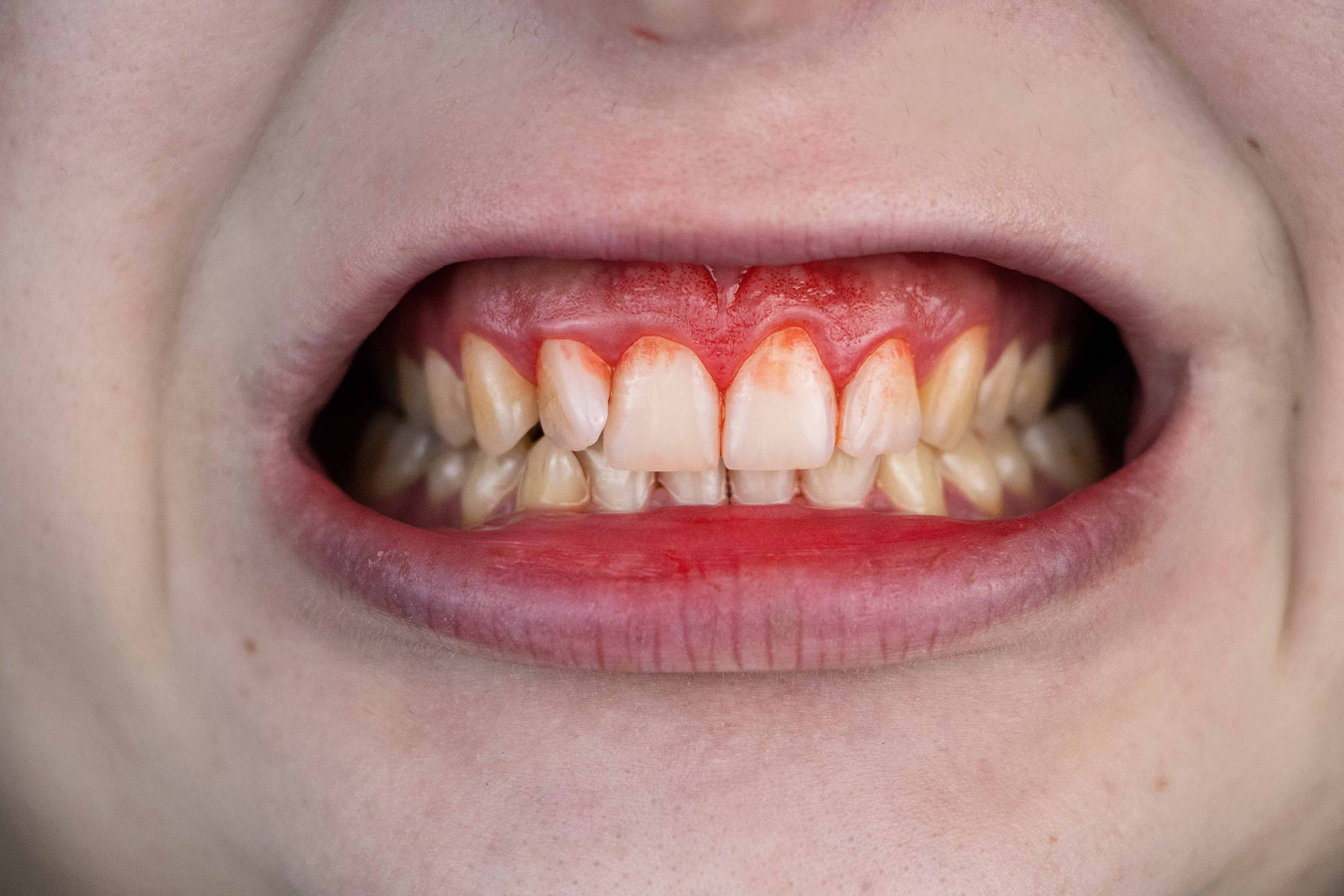
a smile photo of someone's teeth. their gums are all inflammed and bleeding
a young female pulling her lower left lip down to show her very inflammed and bleeding gums
Worried woman biting her nails and looking anxious, expressing concern about oral health issues like bleeding gums or gum disease
Tooth Icon showing bacteria on it

Why do people get

Bleeding Gums

?

Bleeding gums are most often caused by gingivitis, a mild form of gum disease due to plaque buildup. Plaque is a sticky film of bacteria that can irritate the gums if not removed through proper brushing and flossing twice daily.

Sometimes, even with good cleaning, bleeding can occur due to medical conditions like pregnancy or uncontrolled diabetes. Your dentist can help identify if there's an underlying issue.

Bleeding is also common for a short time after dental treatments (like tooth removal or deep cleaning) or from injuries such as falls or sports accidents.

If your gums are bleeding, it’s best to have them checked by a dentist.

a photo of two teeth, one which has healthy gums and one with large bleeding gums
Tooth Icon showing bacteria on it

What if

Bleeding Gums

is left untreated?

Bleeding gums which are left unaddressed can lead to more serious consequences affecting your dental or general health.

Tooth Decay & Infection

A chipped tooth could lead to food accumulation, leading to tooth decay and potential tooth or gum infections if left unaddressed for long periods of time.

Progression of undiscovered medical conditions

If your bleeding gums are a symptom of an underlying medical problem, leaving these problems unaddressed could lead to more serious (and sometimes even life threatening) medical complications.

Tooth Loss

Some dental problems which cause bleeding gums may become significant enough to lead to the requirement of teeth to be removed to resolve the underlying disease.

Dental Infections

Some dental problems which cause bleeding gums progress to infections which damage your tooth, gums and bones. In severe circumstances, large untreated infections can result in significant pain, affect your ability to eat or drink, or even cause life-threatening airway blockages.

Pain

Some dental problems which cause bleeding gums can also lead to pain from the tooth or surrounding gums. Ensuring the cause of your bleeding gums is properly assessed is important to prevent unnecessary tooth pain.

Tooth Icon showing bacteria on it

Treatment approaches for

Bleeding Gums

The approaches to fixing bleeding gums depend on the underlying cause of bleeding.

Following dental surgery

Bleeding after dental surgery is normal and is generally best controlled by sustained pressure with a clean piece of cotton gauze. Your dentist will provide several pieces of this to use at home after your surgery.

Underlying Medical Problems

In some cases, professional cleaning and home hygiene changes are insufficient to resolve bleeding gums. Your dentist may recommended that you seek medical advice to assess for potential medical conditions which can lead to bleeding gums.

Dental Disease

If the bacteria buildup is impossible to remove due to dental diseases such as cavities, older defective dental work, or more severe gum infections, ensuring that these problems are addressed promptly will help you to clean your teeth effectively at home, as well as maintaining your teeth for a longer time. Your dentist will help you to identify and fix any problems which could be contributing to your bleeding gums.

Gingivitis

For causes of bleeding gums caused by excessive plaque accumulation, ensuring good home oral hygiene and having a thorough professional cleaning will help to remove the bacteria which lead to bleeding gums. This includes brushing your teeth and flossing twice daily to ensure that plaque is thoroughly removed from your teeth and allowing the gum inflammation to resolve.

Tooth Icon showing bacteria on it

FAQ's about

Bleeding Gums

Have I brushed too hard if my gums are bleeding?

Will certain foods make my gums bleed more?

Will flossing hurt my gums more?

Book an Appointment

Open hours
Monday
8:00am - 5:00pm
Tuesday
8:30am - 7:30pm
Wednesday
9:00am - 5:00pm
Thursday
9:00am - 6:30pm
Friday
7:30am - 5:00pm
Saturday
8:00am - 1:00pm